The M1 seen in the Barcelona tests marks a technical turning point for Yamaha
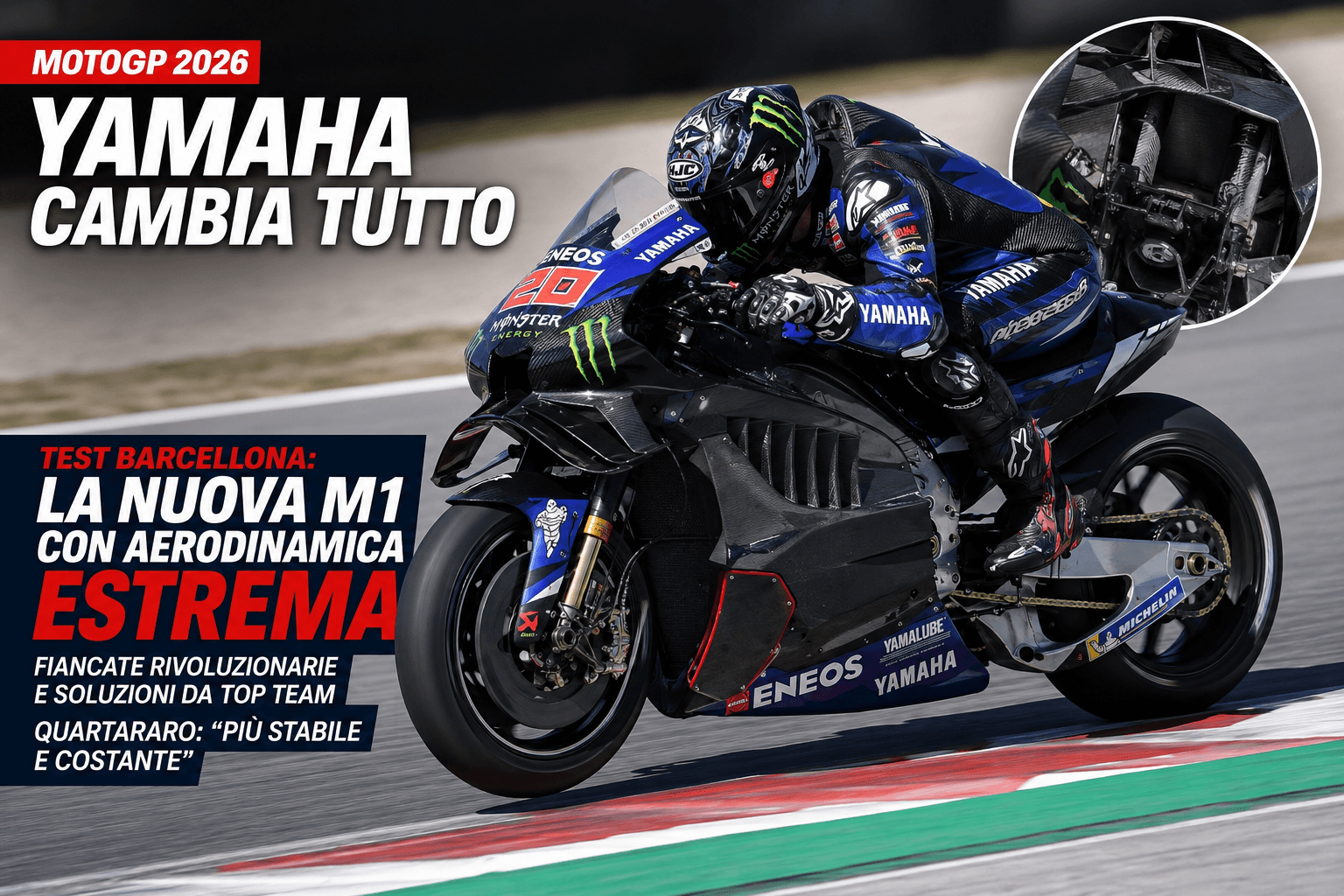
The Yamaha shown in the Barcelona MotoGP tests probably represents the most radical technical change in recent years for the Iwata manufacturer. The images emerging from the Catalan circuit immediately sparked debate in the paddock: the new M1 features an aerodynamic configuration that is profoundly different from Yamaha tradition, with solutions that closely resemble the philosophies already developed by Aprilia and Ducati.
This is not a simple seasonal update. The new package introduces much more extensive side fairings, new ducts for flow management and a decidedly more aggressive front aerodynamics. Elements that tell of a reality that is now clear: Yamaha has decided to completely change approach in order to become competitive again in modern MotoGP.
For years the M1 was considered the cleanest bike on the grid, able to make the difference through corner speed, agility and speed through corners. Today, however, the World Championship demands something else. The aerodynamics revolution of recent years has shifted the technical focus towards downforce, wheelie control and efficiency under acceleration. And Yamaha, after difficult seasons, finally seems ready to adapt.
Fabio Quartararo: “The bike is more stable and consistent”
The Frenchman gives the new aerodynamic package the thumbs up
Among the riders who worked most on the new material was Fabio Quartararo. The Frenchman focused the test programme mainly on the bike’s behaviour in braking and turn-in phases, highlighting encouraging sensations on the stability front.
Yamaha’s objective is clear: improve front-end support and reduce those oscillations that in recent years have often limited the M1 in situations of maximum aerodynamic load. According to the indications gathered during the test, the new package seems to offer greater balance in the most critical phases of riding.
Quartararo appears to have felt a more predictable and consistent bike especially in fast corners, a fundamental aspect for recovering competitiveness against Ducati, Aprilia and KTM, which are now the absolute benchmark from an aerodynamic point of view.
Yamaha accelerates development to close the gap
In the Japanese pits the atmosphere seems different from recent months. Yamaha knows it has fallen behind in technical development and is now trying to recover ground quickly, investing above all in aerodynamics and electronics.
The new package seen in Barcelona seems to have been born from precisely this need. The large side surfaces introduced on the M1 are designed to better control vortices and increase downforce without excessively penalising top speed.
A philosophy very similar to that developed in recent years by Aprilia, which has become one of the absolute benchmarks in the category precisely in the management of aerodynamic flows.
Alex Rins confirms the progress: “The sensations are positive”
The work is still at an early stage
Alex Rins also had the chance to try the new configuration during the Catalan test. The Spaniard confirmed the good initial sensations, while stressing that the work is still very much in the development phase.
The weather conditions did not help Yamaha complete the full programme planned, but the data collected nevertheless seem to have convinced the Japanese engineers to continue along this path.
The new M1 appears more extreme in shape and much closer to the current MotoGP trends than the versions seen until a few years ago. A change that perfectly shows how the premier class is now dominated by aerodynamic development.
Yamaha follows Aprilia and Ducati: MotoGP enters a new era
Aerodynamics has become decisive
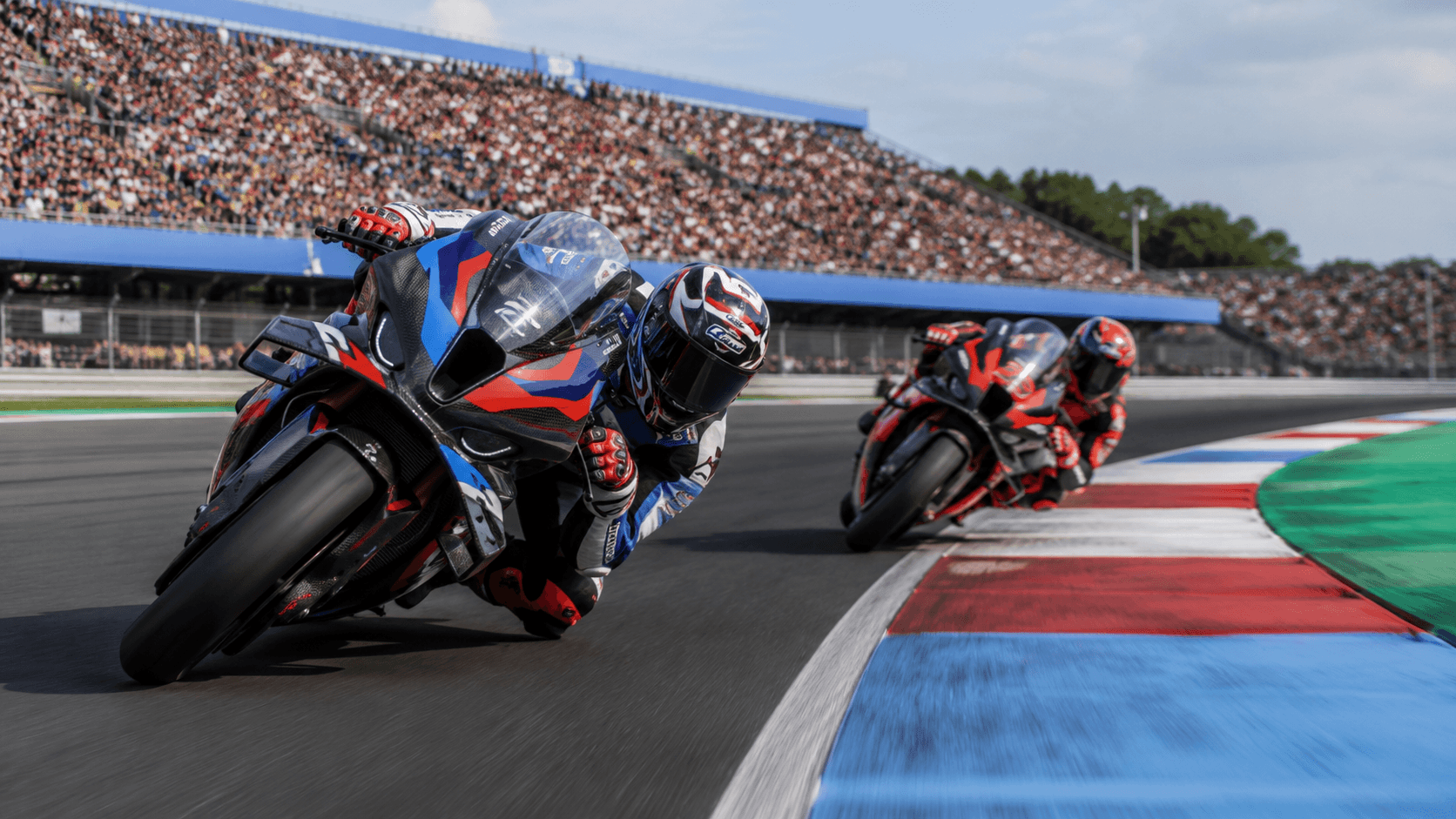
Modern MotoGP is no longer just about engine and chassis. Today, the difference is also built through aerodynamic efficiency, capable of influencing acceleration, stability, braking and tyre management.
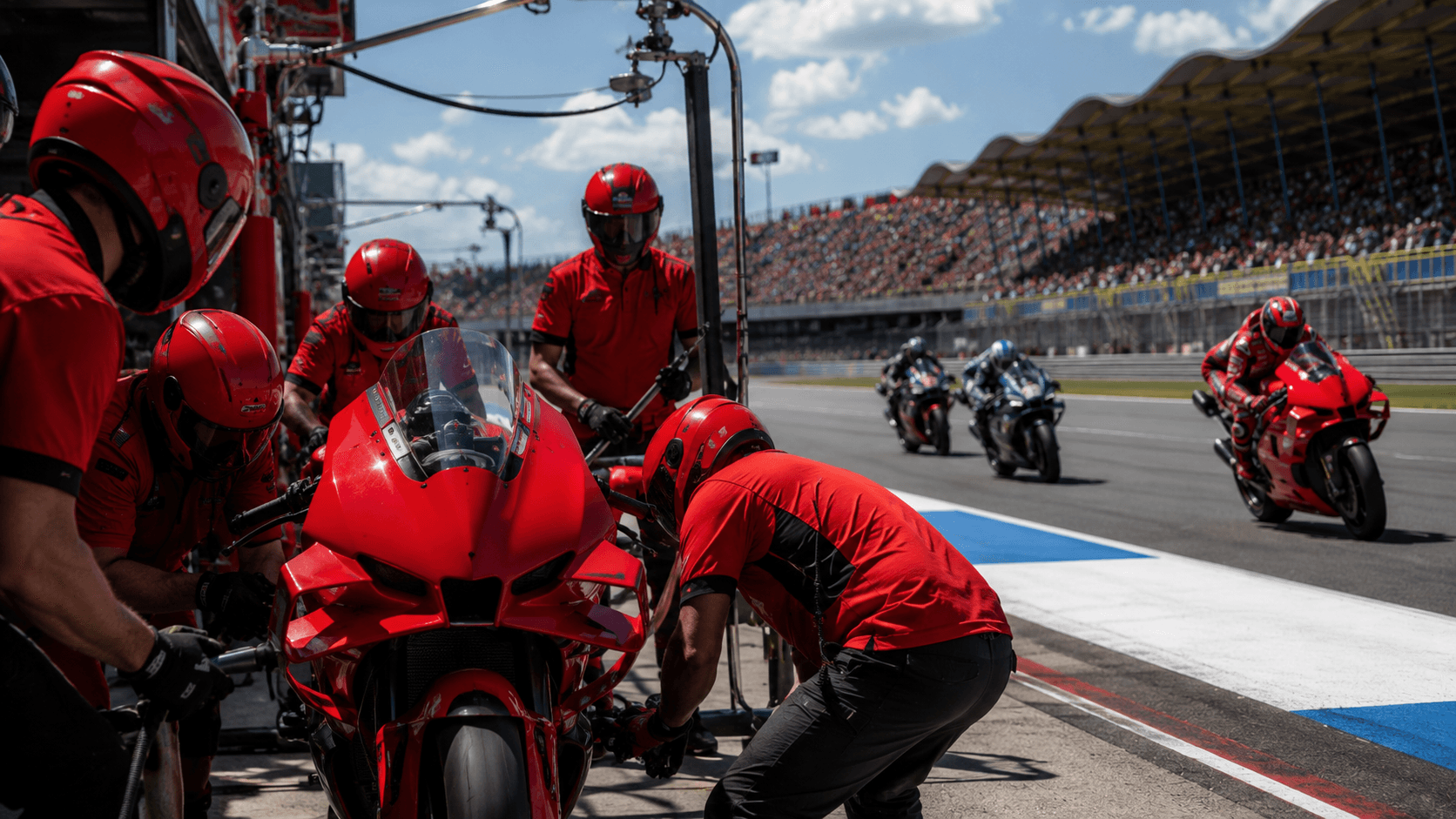
Ducati paved the way several years ago, Aprilia refined some extreme concepts, while KTM developed increasingly sophisticated solutions. Yamaha, instead, initially chose a more conservative line, seeking to preserve the M1’s historic identity.
The results of recent championships, however, have forced the Iwata manufacturer to change strategy.
The bike seen in Barcelona represents the symbol of this transformation: a less traditional Yamaha, more aggressive and increasingly close to European technical concepts.
The 2026 project gets underway: between new aerodynamics and V4 engine
Yamaha prepares the future of the M1
The work carried out in the Barcelona tests forms part of a much broader project. Yamaha is in fact continuing to develop the future V4 engine in parallel, which is destined to mark a major turning point for the M1.
The Japanese manufacturer’s idea is to build a more compact bike, more effective under acceleration and above all more compatible with the modern aerodynamic demands of MotoGP.
For this reason, the new package seen on track takes on enormous strategic value. It is not just a technical update, but the first concrete sign of the Yamaha to come.
The feeling emerging from the paddock is that the Iwata manufacturer has finally accepted a reality that is now inevitable: in today’s MotoGP it is no longer enough to have a bike that is smooth and fast through corners. An extreme aerodynamic platform is needed, capable of generating performance in every phase of the corner.
And the new Yamaha seen in Barcelona seems to have been born with exactly this objective.