The halt to sales in the United States redraws the balance of the EV market. The Swedish company controlled by Geely is now betting everything on Europe.
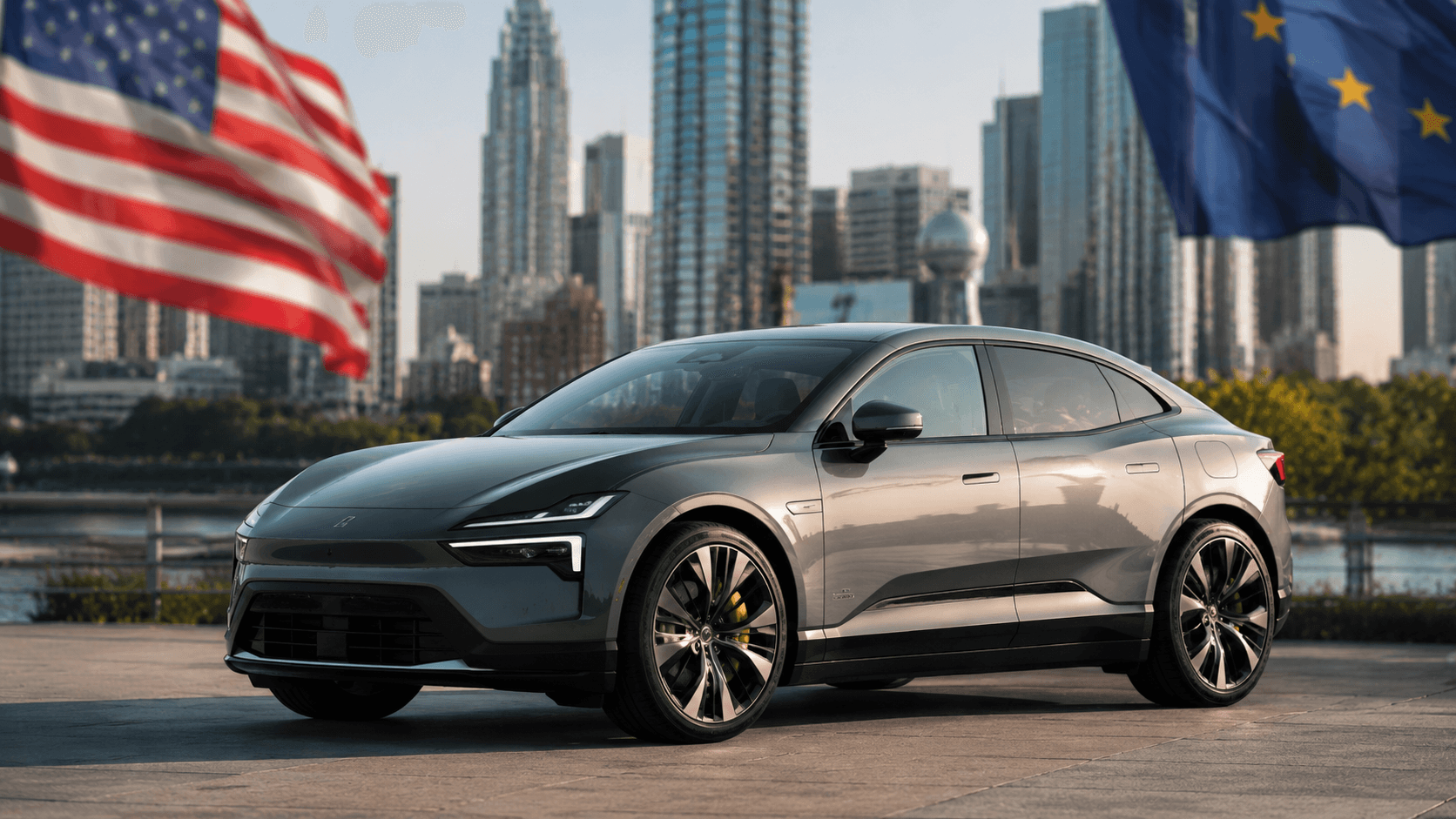
The electric car market is preparing to experience one of the most significant changes in recent years. From the 2027 model year, Polestar will no longer be able to market new vehicles in the United States after the US Department of Commerce denied the authorisation provided for by the new connected vehicles regulation.
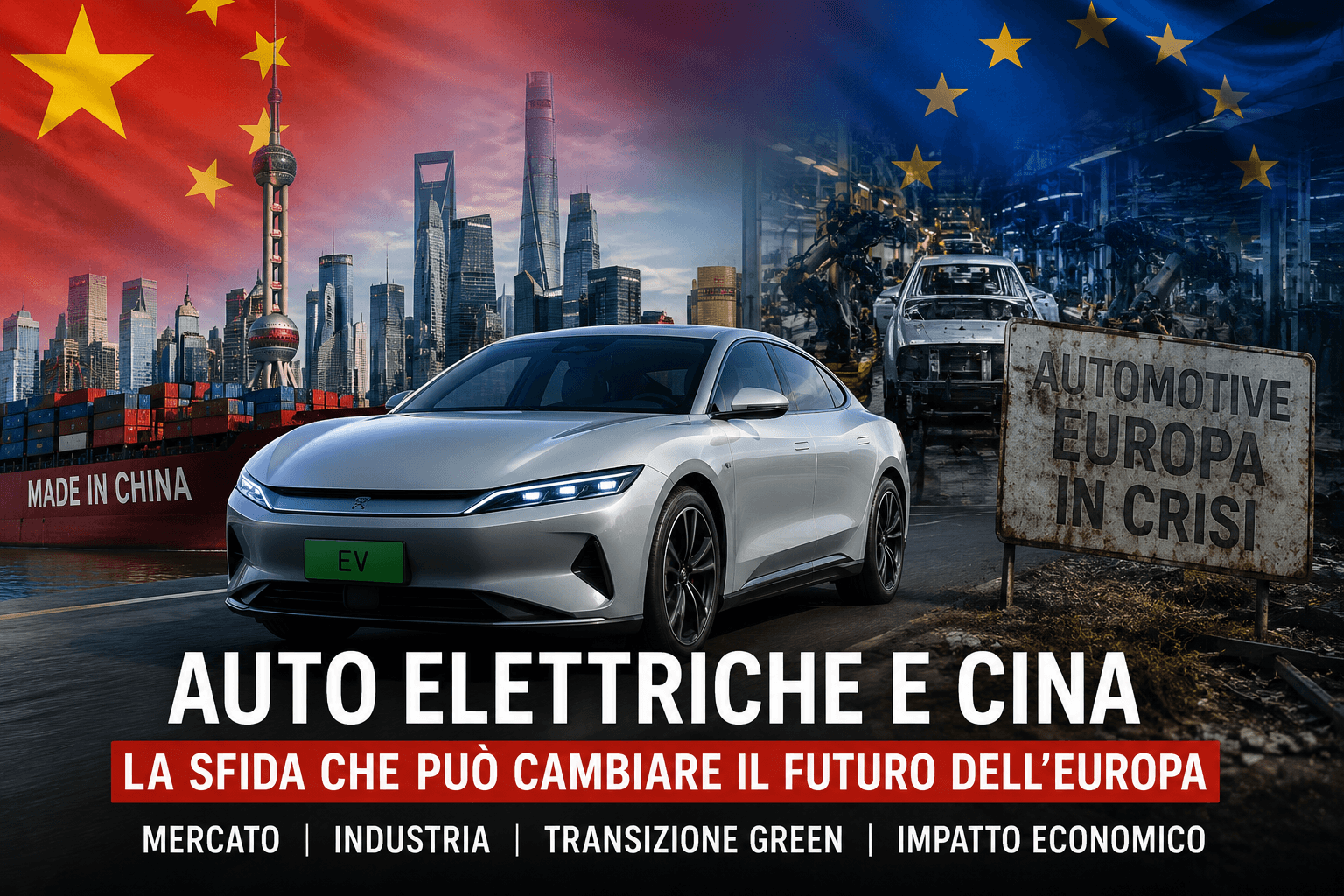
The decision represents a hard blow for the Swedish brand, controlled by the Chinese group Geely, but it goes far beyond the fate of a single manufacturer: it is the latest chapter in the growing commercial and technological tension between the United States and China, destined to have consequences for the entire global automotive industry.
Why have the United States blocked Polestar?
At the heart of the decision is the Connected Vehicle Rule, the US regulation that limits the sale of vehicles fitted with software or connectivity technologies traceable to countries considered sensitive from a national security perspective, including China.
The measure covers systems such as Bluetooth, Wi-Fi, cellular and satellite connections, as well as the software that manages the vehicle's communication with the outside world. According to Washington, these technologies could be used to collect sensitive data or pose a risk to national security.
What will happen to Polestar models?
The decision does not mean an immediate withdrawal from the American market.
Polestar will continue to sell stocks of the Polestar 3 and Polestar 4 already produced and will guarantee assistance and spare parts to current US customers. The halt instead concerns all new models from model year 2027, subject to any regulatory changes.
Europe becomes the new centre of the strategy
The company's response came quickly.
CEO Michael Lohscheller announced a strategy firmly focused on the European market, now the brand's main commercial base. In the first quarter of 2026, 94% of Polestar's global sales came from markets outside the United States, while about 80% was generated in Europe.
The company will also continue to invest in Canada, Latin America, South-East Asia and Eastern Europe, while also preparing European production of future models, including the new compact Polestar 7 SUV.
A signal for the entire electric car industry
The Polestar case could set an important precedent.
In recent months, the United States has intensified measures to limit the presence of automotive technologies linked to China, while the European Union has also introduced tariffs on electric cars produced in the Asian country.
For global manufacturers, it is becoming increasingly necessary to develop regionalised platforms, software and supply chains, reducing dependence on components from markets subject to geopolitical restrictions.
What will the consequences be for the market?
In the short term, the impact on Polestar's global sales will be limited, considering that the US market accounted for a small share of the brand's volumes.
More significant, however, could be the message sent to the entire automotive sector. Future industrial choices will be driven not only by technological innovation or customer demand, but also by political balances and national regulations.
For European consumers, nothing will change in the immediate term. For the automotive industry, however, the Polestar case confirms that the global competition for the electric car will increasingly be played out on the terrain of geopolitics, software and technological sovereignty.