Why Bagnaia decided to leave Ducati
When a rider leaves what, in recent years, has been the benchmark bike in the championship, the questions are inevitable.
The reasons, however, do not seem to be linked exclusively to the technical side.
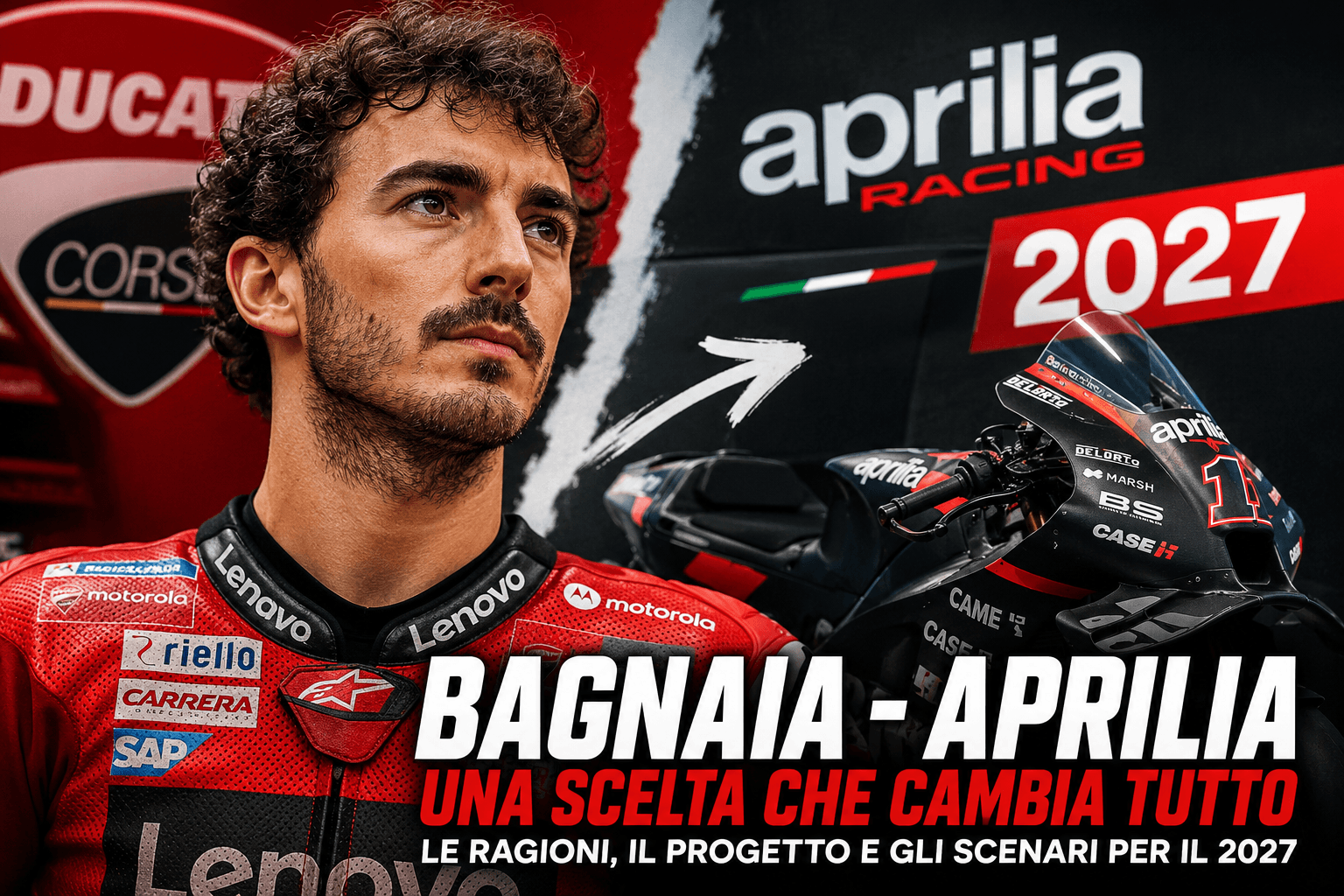
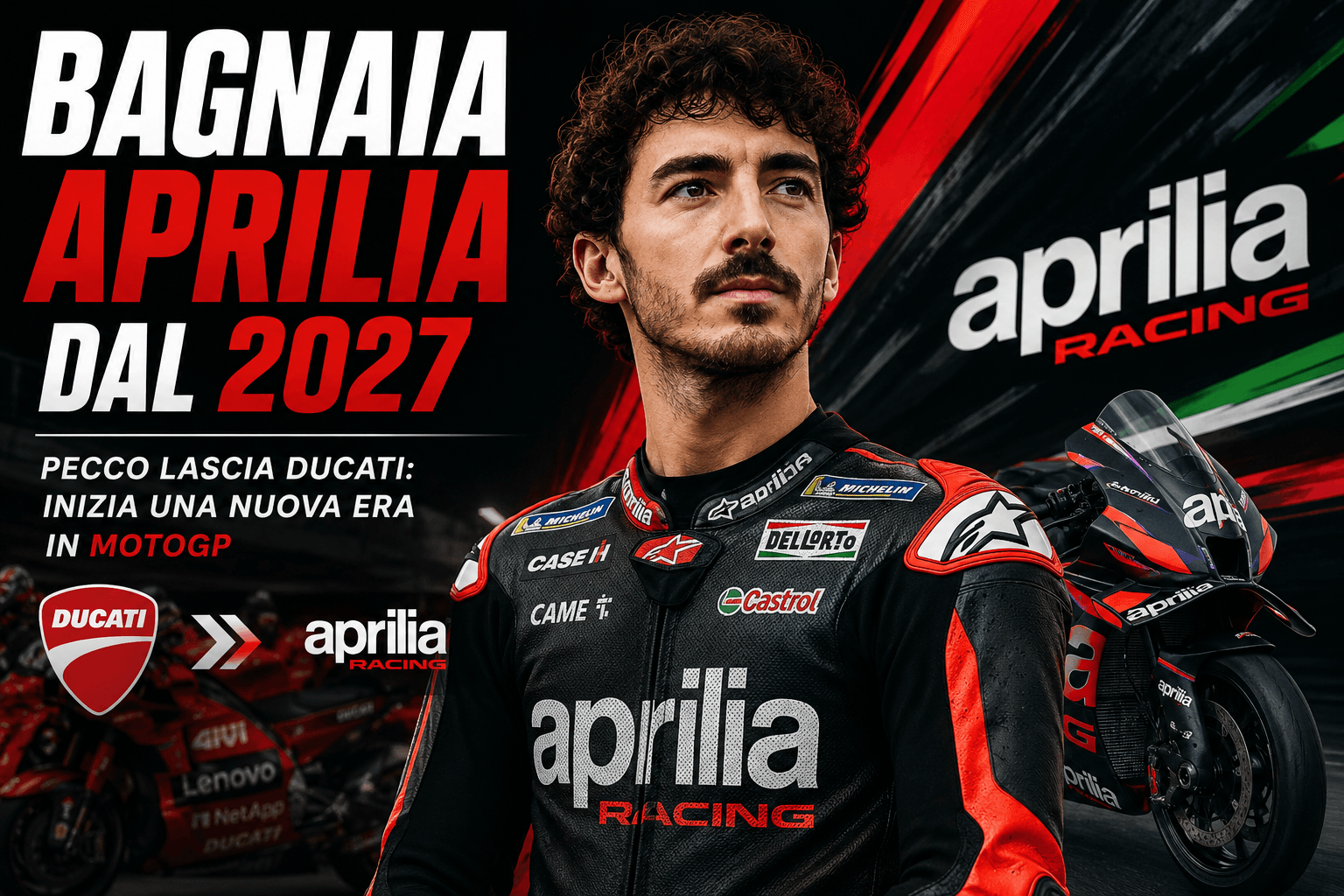
Bagnaia explained that he felt the need to face a new professional challenge, joining a project in which he could have a central role in the development of the bike ahead of the 2027 regulatory change.
The arrival of the new 850 cc engines and simplified aerodynamics in fact represents a fresh start for all constructors.
In this context Aprilia sees the Italian as the ideal rider to lead the technical growth of the RS-GP, while Bagnaia sees the possibility of building a new winning cycle from the ground up.
The choice therefore also takes on a strategic meaning: entering a project at the moment when everyone will start again almost from zero.
The Aprilia project is convincing more and more
In recent years Aprilia has shown that it has gone from outsider to a consistently competitive constructor.
The RS-GP has grown season after season, managing to claim victories, pole position and podiums against rivals with greater resources.
At the same time, the technical structure of Noale has also grown, with significant investments in the development of the engine, aerodynamics and sporting organisation.
Bagnaia's arrival represents another step in the maturation of the project.
The Venetian manufacturer is not only acquiring a two-time world champion, but also one of the best test riders currently in MotoGP, capable of providing extremely precise feedback during the development of the bike.
For Aprilia it means being able to build the new generation of the RS-GP around a rider who knows perfectly what it takes to win a world championship.
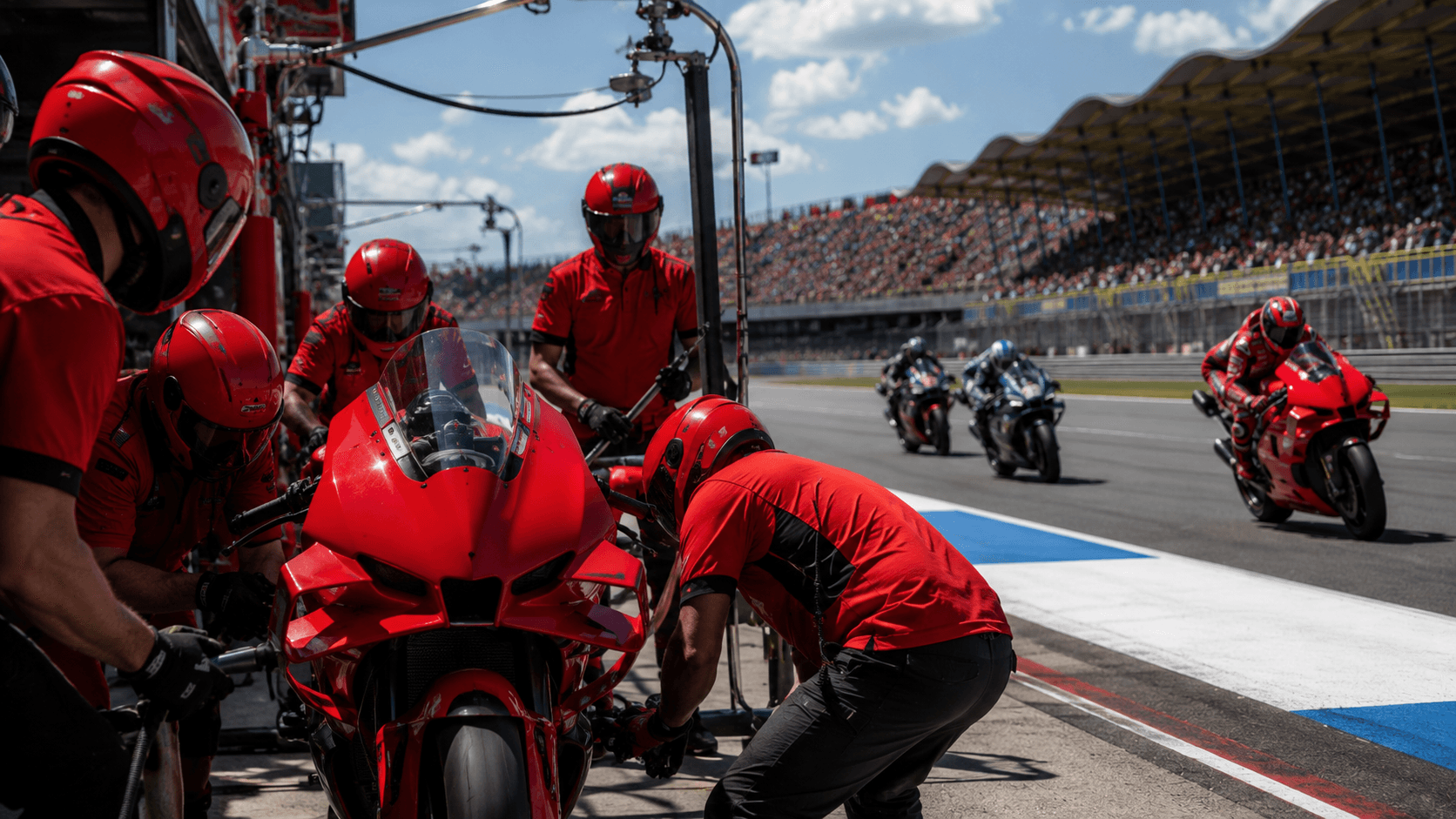
Ducati loses a technical reference
Bagnaia's departure inevitably represents an important loss for Ducati as well.
Beyond the sporting results, the Italian rider has had a fundamental role in the development of the Desmosedici that have dominated recent seasons.
His technical sensitivity has been decisive in the evolution of the bike from the Borgo Panigale manufacturer.
From 2027 Ducati will therefore have to face a double challenge: develop a completely new bike and, at the same time, replace one of the most representative riders in its recent history.
It will be a delicate phase in which every technical choice could affect the balance of the championship.
What changes in the rider market
The agreement between Bagnaia and Aprilia produces effects that go well beyond the simple transfer of a rider.
The hierarchies of the market are completely redefined.
Aprilia is set to become one of the main destinations for top riders.
Ducati will have to carefully assess the future of its own line-up.
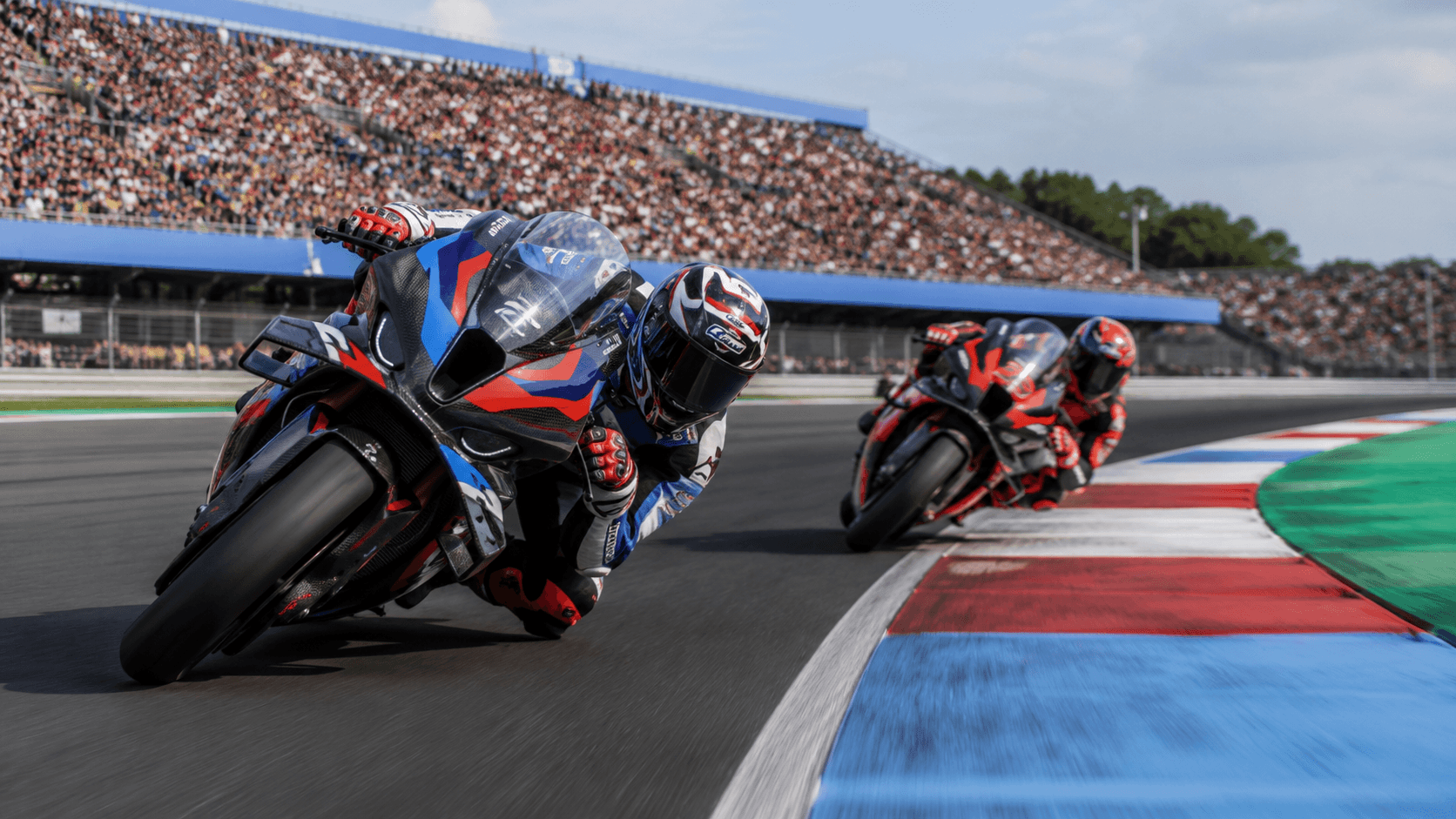
KTM, Honda and Yamaha will also inevitably be involved in the new balances that will emerge from the 2027 regulations.
For this reason Bagnaia's move is already considered one of the most important turning points in the MotoGP market in recent years.
A bet that looks to the future
Great sporting careers are often marked by courageous decisions.
Bagnaia could have stayed with the structure that took him to his world titles.
Instead, he preferred to accept a completely different challenge, choosing to become the reference point of a project in full growth.
It is a decision that inevitably carries risks.
The new regulations could profoundly alter the technical balance known today.
But precisely for this reason the Italian champion believes that now is the right time to begin a new path.
The 2027 World Championship starts today
Bagnaia's transfer is not just one of the most important rider market stories.
It is the first real building block of the 2027 MotoGP World Championship.
The choices that the constructors are making today will in fact influence the future of the category for many years.
Aprilia has decided to rely on one of the most complete riders on the grid.
Bagnaia has chosen to embrace a project that aims to become the new benchmark of MotoGP.
Only the track will tell whether this was the right decision.
One thing is certain: the rider market has already changed shape and the next technical cycle promises to open one of the most interesting seasons of the modern MotoGP era.