A historic decision that changes the face of MotoGP
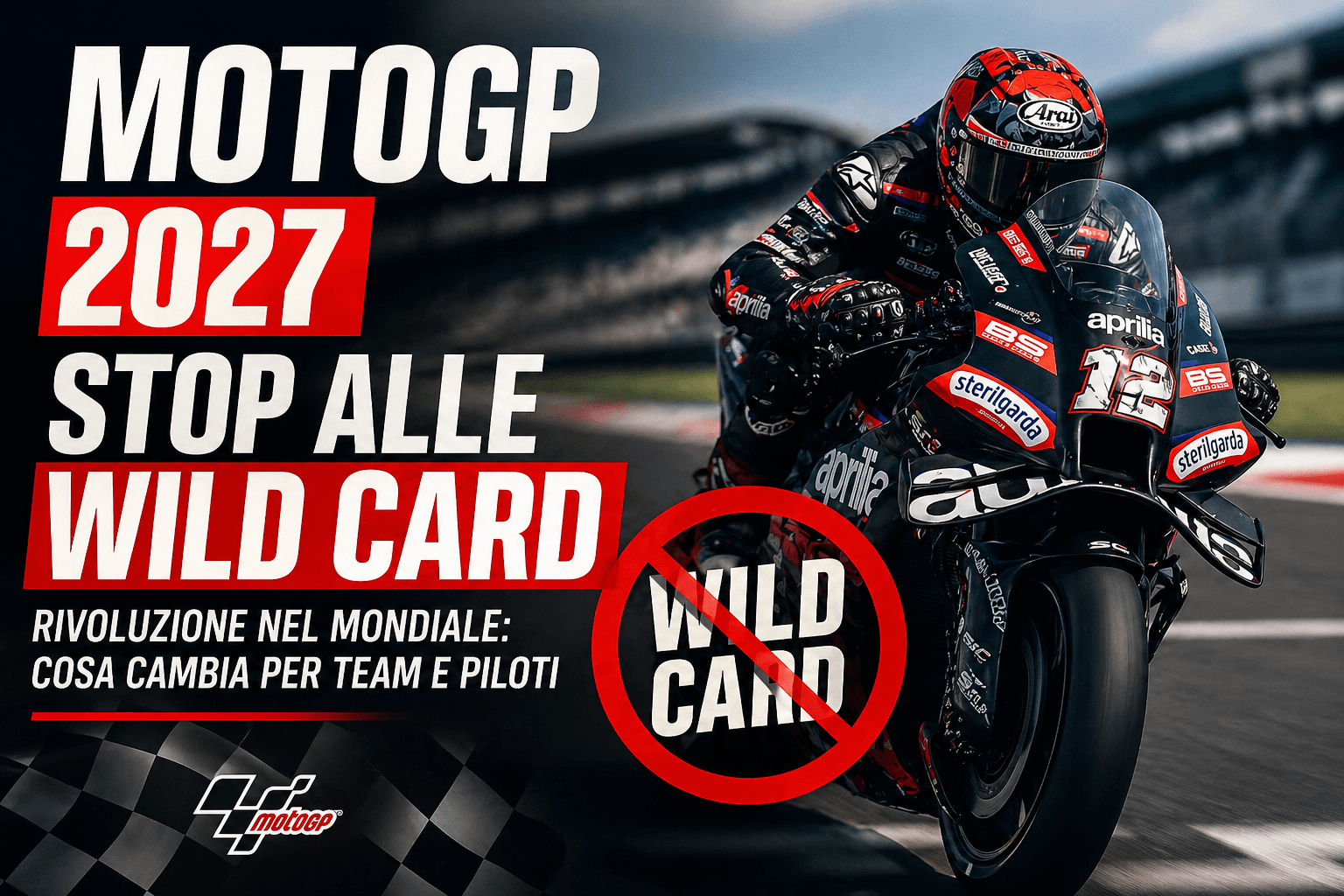
MotoGP is preparing to experience one of the deepest transformations of recent decades. From 2027, in fact, wild cards will be eliminated, marking the end of a practice that for years represented a distinctive feature of the championship.
The choice fits into a broader context of reforms that will accompany the introduction of the new technical regulations, set to redefine performance, sustainability and the structure of the premier class. This is therefore not an isolated measure, but a precise strategy aimed at making the championship more controlled, predictable and competitive.
Why MotoGP is saying goodbye to wild cards
Cost control and championship sustainability
One of the key factors behind this decision concerns cost containment. In recent years, the technological and logistical growth of MotoGP has made team management increasingly expensive. Wild cards, while occasional entries, involved significant additional expenses, especially for the manufacturers.
By eliminating them, the organisers aim to reduce financial variables and create a more sustainable system in the long term, in line with the new directives that will accompany the 2027 regulations.
Greater sporting balance and a more stable grid
From a sporting point of view, the presence of wild-card riders introduced unpredictable elements into the races. If on the one hand this increased the spectacle, on the other it altered the balance of the championship, especially in terms of technical development and data collection.
With a grid made up exclusively of full-time riders, MotoGP aims to ensure greater uniformity and to reward each team’s season-long work, making the comparison more straightforward and merit-based.
The impact on manufacturers and technical development
Fewer race tests for the factory teams
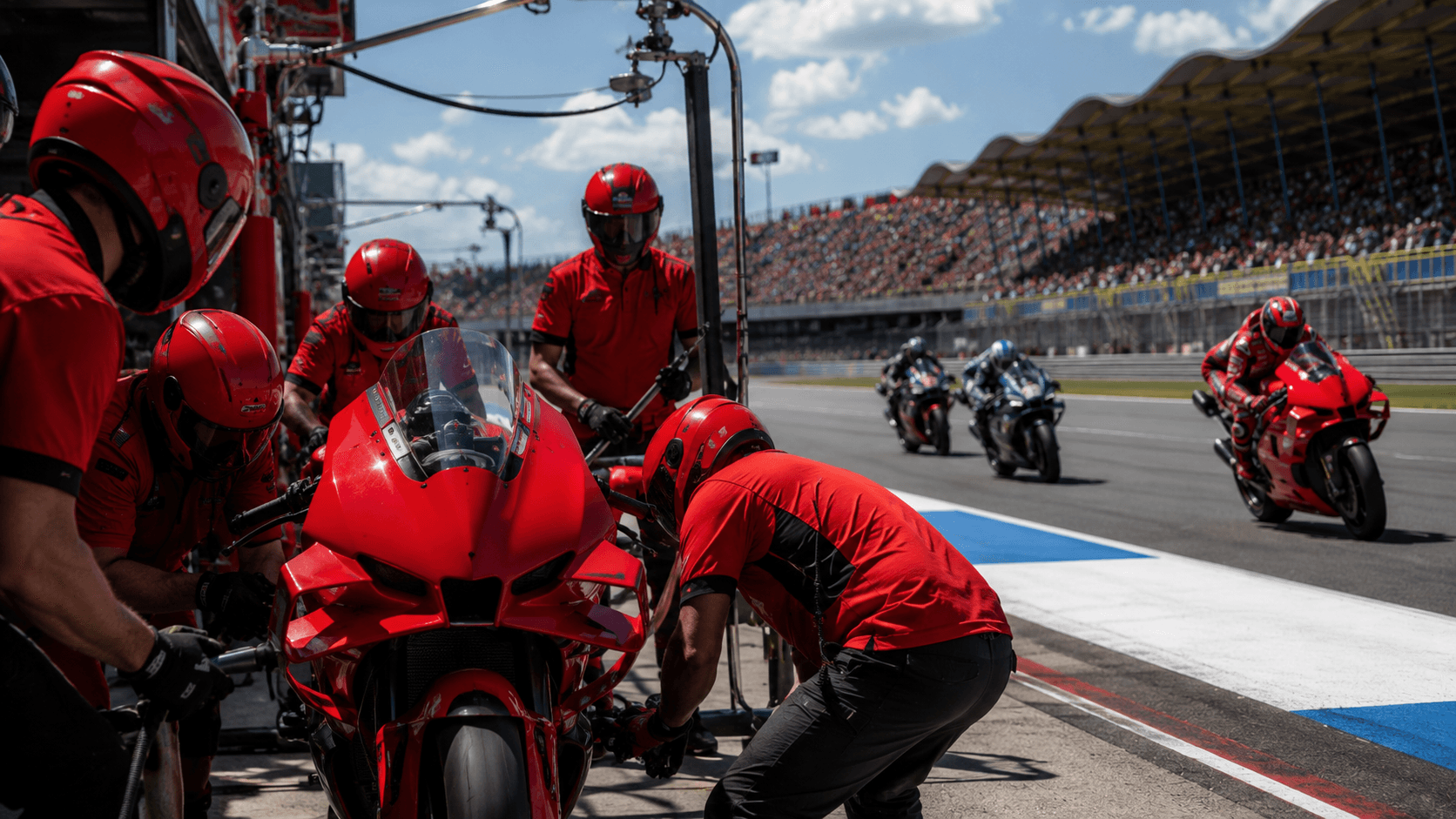
Manufacturers such as Ducati, Aprilia, Honda and Yamaha will have to thoroughly rethink their development strategies.
Wild cards were in fact a valuable opportunity to put test riders and prototypes on track in real race conditions. Without this possibility, development work will be confined to official tests, with a significant reduction in direct comparison with rivals during race weekends.
A change of paradigm for test riders
Test riders, often the protagonists of wild cards, will lose one of the most effective tools for assessing technical developments. This could slow the introduction of updates during the season and increase the importance of private test sessions.
The consequences for riders and young talents
Harder access to the premier class
The disappearance of wild cards will also have a direct impact on emerging riders. In the past, these opportunities allowed young talents to make a name for themselves in MotoGP without a full-time contract, offering a unique showcase.
From 2027, the move to the premier class will become more rigid and structured, forcing riders to follow traditional paths through Moto2 and established contractual agreements.
The end of “surprise” appearances
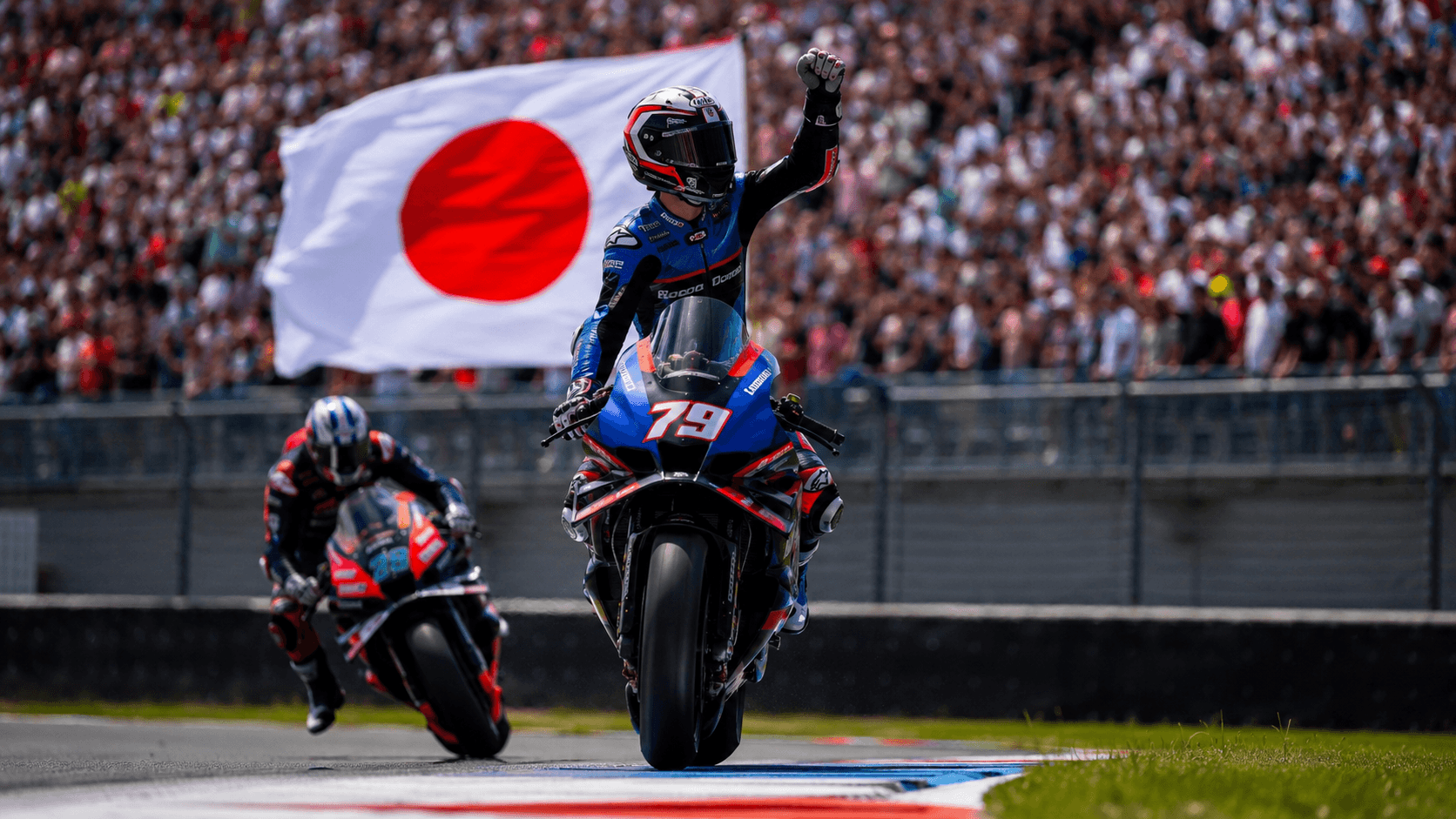
Wild cards often produced iconic moments, with the returns of veterans or unexpected debuts capable of sparking media interest. Their elimination will make the championship more predictable in this respect, but also less prone to unscheduled surprises.
MotoGP 2027: a broader revolution
New technical rules and a future vision
Saying goodbye to wild cards is only one piece of the revolution planned for 2027. The new technical regulations will introduce significant changes to the bikes, with the aim of improving safety, sustainability and spectacle.
In this scenario, MotoGP is trying to build a more modern and coherent model, in which every element – from technology to sporting management – contributes to an overall balance.
A decision that divides opinion
The decision to eliminate wild cards represents a clear change of philosophy. If on the one hand it favours stability and control, on the other it deprives the championship of a historically fascinating and unpredictable component.
The real impact of this reform will only be seen over time, when it will be possible to assess whether the MotoGP of the future will manage to keep its appeal intact while giving up one of the most dynamic elements of its recent history.