Bike market ·
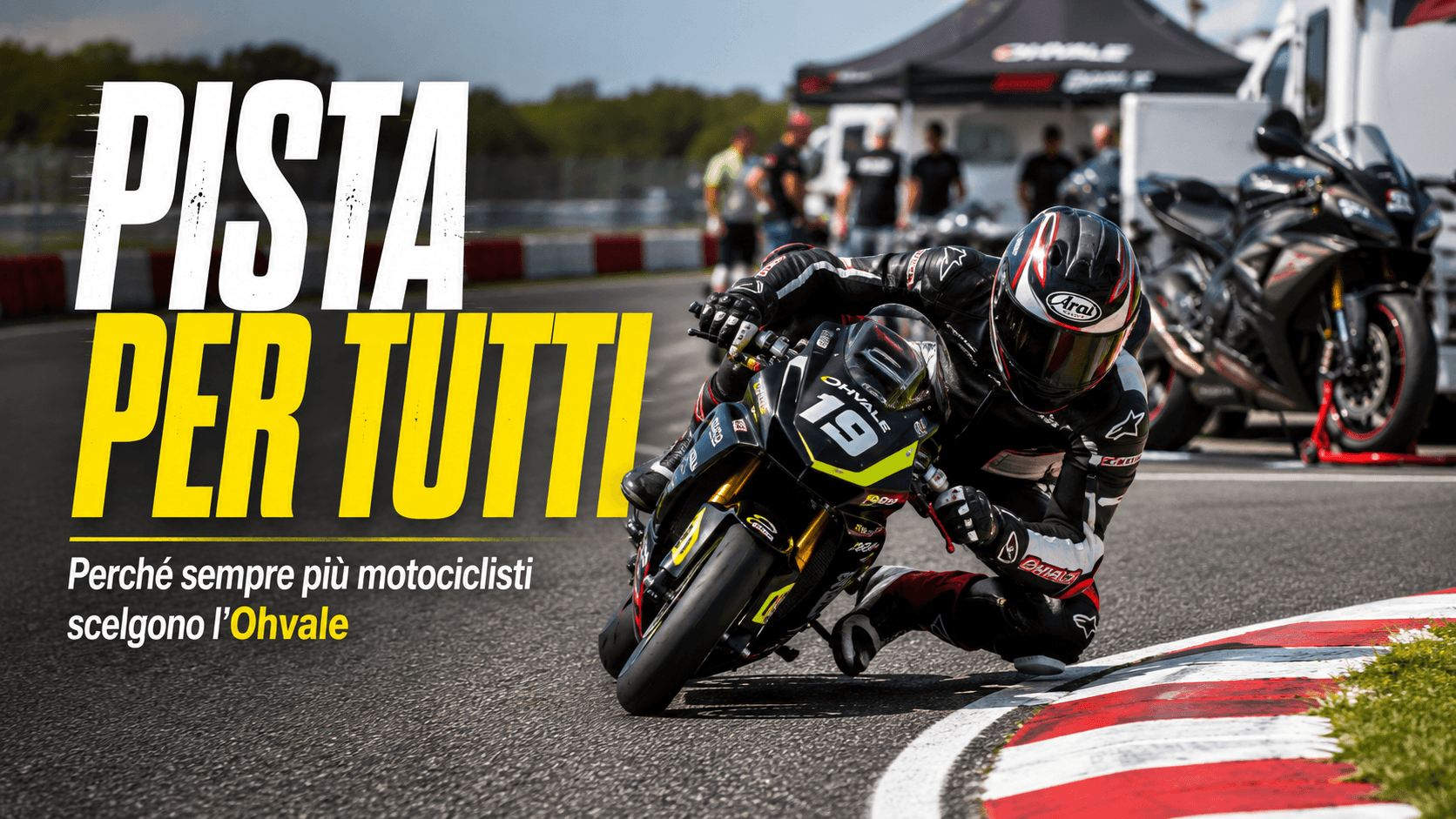
Ohvale: the smartest way to ride on track without spending a fortune
A day on track can cost hundreds of euros. With an Ohvale you can train more often, spend less and improve your riding.
Motorsport Magazine
Bike market ·
Are Chinese bikes really better than Japanese and European ones? A full analysis of quality, reliability and prices in 2026.
Ultimogiro Newsroom · 24 April 2026 · 3 min read
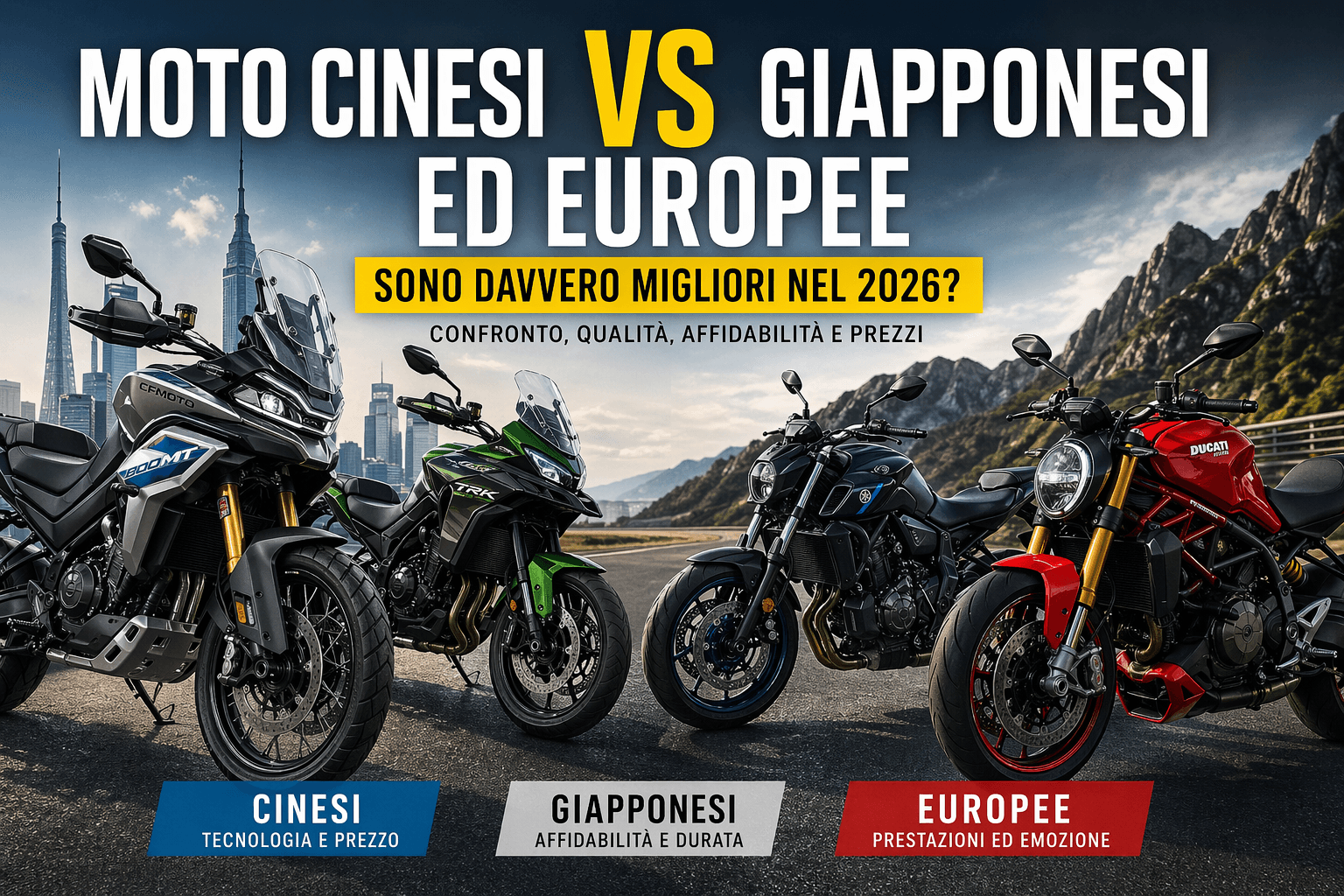
In recent years the motorcycle market has undergone a profound transformation. Chinese bikes, once considered simple low-cost alternatives, have become the protagonists of a change that involves the entire sector. Today they are no longer seen as a fallback, but as a concrete choice. Yet the question remains the same: are Chinese bikes really better than Japanese and European ones?
To answer it, we need to go beyond clichés and see what has really changed.
In recent years brands such as CFMoto, Voge, Zontes and Benelli have made a clear leap in quality. The bikes they offer today have nothing in common with those of ten or fifteen years ago.
The design is modern, the finishes have improved and, above all, the technological equipment is often surprising: TFT displays, electronic controls, riding modes and advanced safety systems are now the norm even on affordable models. The overall impression is that of a mature product, competitive in the mid-market segment.
The real factor that has accelerated this growth is the price. Chinese bikes offer a very competitive value for money, often providing more equipment at a lower cost than direct rivals. This has made motorcycling accessible to a wider audience, attracting new motorcyclists and also convincing those who in the past would have gone for used bikes only.
In this scenario, the role of Japanese bikes remains central. Brands such as Honda, Yamaha, Kawasaki and Suzuki continue to be a benchmark, especially when it comes to reliability.
Their strength lies not only in build quality, but in continuity: decades of experience, millions of engines produced and a reputation built over time. Those looking for a solid, predictable and long-lasting bike still tend to turn to these brands.
Another important factor is residual value. Japanese bikes are generally easier to resell and hold their value better in the used market, offering greater security in the long term.
Alongside this world is the European one, which follows a different logic. Manufacturers such as Ducati, BMW Motorrad, KTM and Aprilia do not compete mainly on price, but on the overall experience.
High performance, strong identity and advanced technology make these bikes particularly desirable. They are machines often chosen out of passion, for the riding pleasure and for the unique character they can convey.
This exclusivity, however, has a cost: higher prices and greater running costs. Reliability can also vary depending on the model, making the choice more closely tied to personal preferences.
One key aspect to consider is that today the market is increasingly globalised. Many components are produced in China even for European and Japanese brands, and industrial collaborations are becoming more and more common.
This makes the distinction between “Chinese” and “Western” bikes less rigid. The quality of a product no longer depends solely on the country of origin, but on the entire industrial process.
Despite the progress, Chinese bikes still have some limitations.
Reliability has improved, but there is still no history as long as that of Japanese brands. Long-term data are less consolidated.
Chinese bikes tend to depreciate faster and the service network is not always as widespread as that of more established competitors.
It is not possible to say absolutely whether Chinese bikes are better. They have certainly improved significantly and today represent a valid choice for many motorcyclists, especially for those looking for a modern, well-equipped and affordable bike.
Japanese bikes remain the benchmark for reliability and durability over time, while European ones continue to offer a higher level in terms of performance and emotion.
The real news is not so much to declare a winner, but to recognise that the market has changed. Chinese bikes have not yet overtaken the historic brands, but they have narrowed the gap and, above all, forced everyone to improve. For riders, this translates into greater choice and a new balance between price, quality and performance.
Next story
Bike market ·
A day on track can cost hundreds of euros. With an Ohvale you can train more often, spend less and improve your riding.
Bike market ·
Bike market ·
Bike market ·
Bike market ·
Bike market ·