Bike market ·
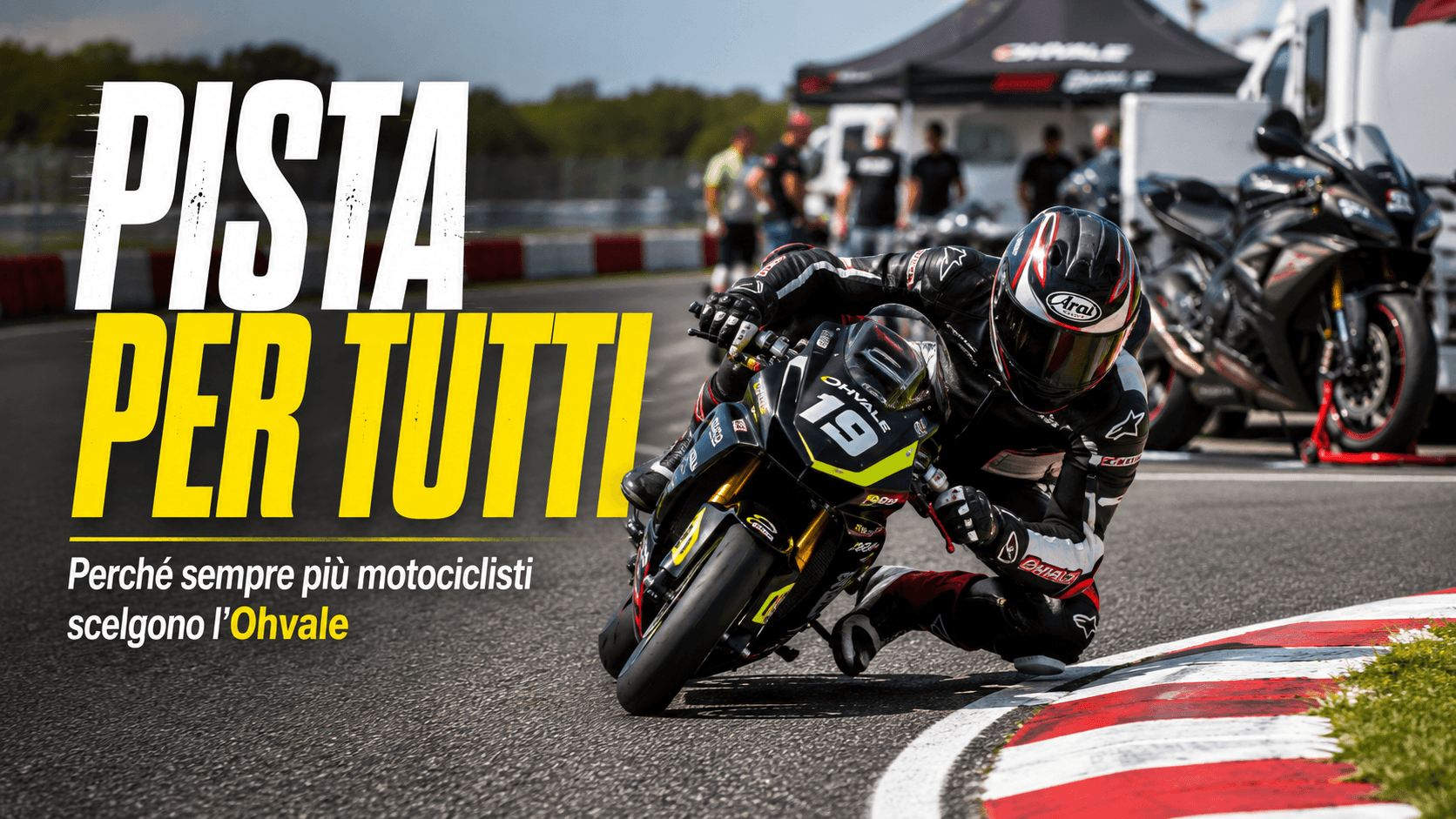
Ohvale: the smartest way to ride on track without spending a fortune
A day on track can cost hundreds of euros. With an Ohvale you can train more often, spend less and improve your riding.
Motorsport Magazine
Bike market ·
Find out how to choose the right motorcycle helmet online: types, ECE 22.06 homologation, size, materials and practical advice for buying it.
Ultimogiro Newsroom · 10 May 2026 · 6 min read
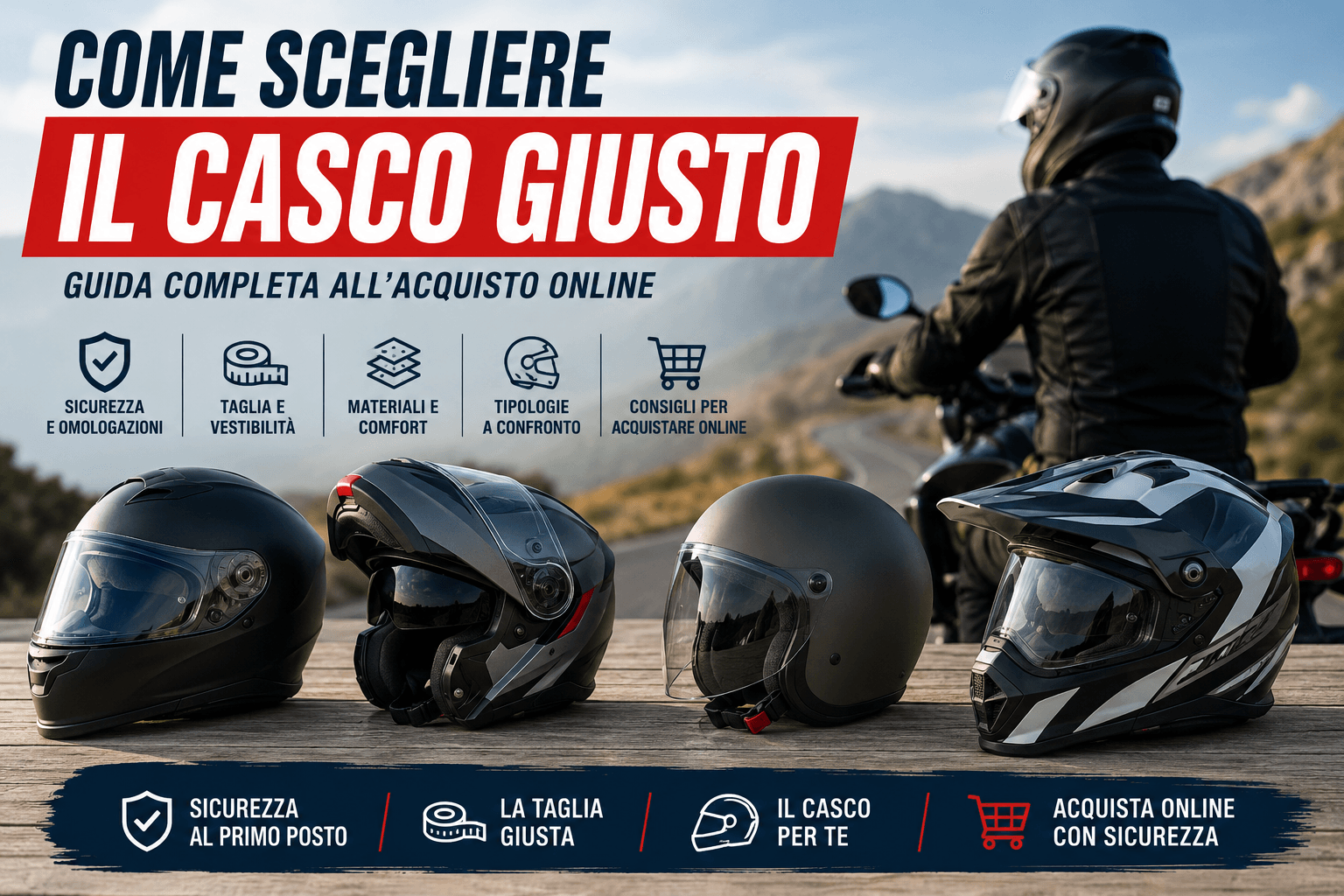
Buying a helmet online today is very convenient: you get more choice, prices are often better and you can compare dozens of models without leaving home. But there is an important detail to remember: the helmet is not just an accessory. It is probably the most important item of your equipment.
And precisely because online you cannot try it on physically before buying, you need to know exactly what to look for to avoid mistakes.
Many people choose a helmet based only on looks. Nice, yes, but not enough. A helmet must first and foremost protect well, be homologated, comfortable and suitable for the type of use you will make of the motorcycle or scooter.
This guide will help you truly understand how to choose the right helmet online, which features really matter and which mistakes to avoid.
The first thing to understand: what kind of motorcyclist are you?
Before even talking about materials or safety, you need to understand how you will use the helmet.
Someone who uses a scooter in the city has completely different needs compared with someone who rides a motorcycle for hundreds of kilometres or someone who enjoys mountain roads at the weekend.
And that is exactly why there are different types of helmets.
Full-face helmet: the most protective
The full-face helmet is the one that offers the highest level of protection. It completely covers the head, chin and face and is the preferred choice of many motorcyclists.
If you travel often, ride on motorways or are looking for maximum safety, it is probably the best solution.
It also protects better from wind, rain and noise. On long journeys, this difference is felt a great deal.
The only real compromise is that it can be hotter in summer and slightly less practical during frequent stops.
Modular helmet: the king of comfort
The modular is much loved by those who travel. Its main feature is the lift-up chin bar.
In practice, you can quickly turn it into something very similar to a jet helmet when you are stopped, at the petrol station or in the city.
It is a very comfortable helmet for touring and for those who use the motorcycle every day.
On the other hand, it generally weighs a little more than a full-face helmet and is often slightly noisier.
But for many motorcyclists the extra comfort is absolutely worth the choice.
Jet helmet: perfect for the city
The jet helmet is the lightest and airiest. Very commonly used on scooters and urban motorcycles.
In the city it is very practical:
cooler in summer great visibility light to wear
However, it must be said honestly: it protects less than a full-face helmet, especially around the face and jaw.
For this reason it is ideal above all for urban use and moderate speeds.
Adventure and off-road: for those who love to leave the tarmac
Those who ride adventure motorcycles or do off-road have very specific needs.
Adventure helmets try to combine road comfort and off-road functionality, while motocross ones focus entirely on ventilation and lightness.
They are very different products from classic road helmets and should be chosen according to the type of route you do most often.
Safety: the detail you cannot ignore
Here comes the really important part.
When you buy a helmet online, you must immediately check one thing: homologation.
Today the most up-to-date European standard is ECE 22.06.
This code indicates that the helmet has passed much stricter tests than the old 22.05 regulation:
multiple impacts angled impacts visor tests checks on integrated accessories
In short: greater real-world safety.
If you can, always choose an ECE 22.06 helmet.
The information is usually provided:
in the product description in the technical data sheet or in the photos of the inner strap
Do materials really make a difference?
Yes, absolutely.
Many people think all helmets are the same, but the shell material changes the helmet’s behaviour quite a lot.
Polycarbonate / thermoplastic
These are the cheapest. Safe if homologated, but generally heavier.
Composite fibre
An excellent balance between weight, strength and comfort.
Carbon fibre
Very light and high-performing, but also more expensive.
Lightness matters more than one might imagine. After hours in the saddle, a heavy helmet is felt on the neck and shoulders.
A comfortable helmet is also safer
This is something many underestimate.
An uncomfortable helmet:
is distracting is tiring is used badly leads the motorcyclist to unfasten or adjust the helmet continuously
Fit is essential.
When you put it on, it must fit well without moving too much. If you turn your head and the helmet “wobbles”, it is probably too big.
At first it should feel slightly snug, because the interiors settle over time.
How to choose the size online without making a mistake
Before buying: take a soft tape measure and measure the circumference of your head just above the eyebrows and ears.
Then compare the measurement with the manufacturer’s size chart.
But be careful: every brand fits differently.
An M from Shoei may fit differently from a M from AGV.
For this reason, it is always worth reading real user reviews.
The features that really make the difference
When you look at an online technical sheet, do not stop at the photos.
There are details that change the riding experience a great deal.
Ventilation
Essential in summer and on long journeys.
A good ventilation system makes the helmet much more comfortable.
Visor and Pinlock
A Pinlock-ready visor helps prevent fogging.
In winter or in rain it makes a huge difference.
Noise
It is one of the hardest aspects to assess online.
Here reviews help a great deal.
A very noisy helmet can become tiring after just a few kilometres.
Removable interiors
It seems like a detail, but being able to wash the interiors is very important.
Especially if you use the motorcycle often in summer.
Intercom compatibility
If you ride two-up or do touring, check that the helmet is ready for intercoms.
Many modern models already have integrated slots.
Beware of helmets that are too cheap
Online it often happens to find helmets at incredibly low prices.
But you need to be careful.
A very cheap helmet could:
be heavy have poor-quality interiors be very noisy offer limited comfort
That does not mean you need 1000 euros for a good helmet, but it is important to choose products from reliable brands.
Among the best-known brands we find:
Shoei Arai AGV HJC Shark Nolan
The most common mistake? Choosing only with your eyes
It happens very often.
You see a beautiful helmet, perhaps with an aggressive or vintage graphic, and buy it on impulse.
But then:
it is noisy it weighs too much it is too tight it does not ventilate well
And so the “perfect” helmet becomes annoying after half an hour.
For this reason, it is always worth thinking first about real use and only then about looks.
How much should you spend?
It depends on how much you use the motorcycle.
For occasional city use, a good-quality entry-level helmet may be enough.
If, on the other hand, you travel often, ride on motorways or spend many hours in the saddle, investing a little more greatly improves comfort and safety.
In general:
budget range: 80–180 € mid-range: 200–450 € premium range: over 500 €
Today the mid-range often offers the best balance between quality, comfort and price.
The final advice
When you buy a helmet online, do not rush.
Read the reviews carefully, compare the features and above all choose a helmet suited to the way you ride.
Because the best helmet is not the most expensive or the most eye-catching.
It is the one that:
really protects you fits correctly is comfortable to use every day and that you will always be happy to wear.
Next story
Bike market ·
A day on track can cost hundreds of euros. With an Ohvale you can train more often, spend less and improve your riding.
Bike market ·
Bike market ·

CIV ·
Car market ·
MotoGP ·