MotoGP: from instinctive sport to structured system
The influence of Formula 1 on the paddock
For years MotoGP has been synonymous with instinct, pure talent and unpredictability. Today, however, something is changing.
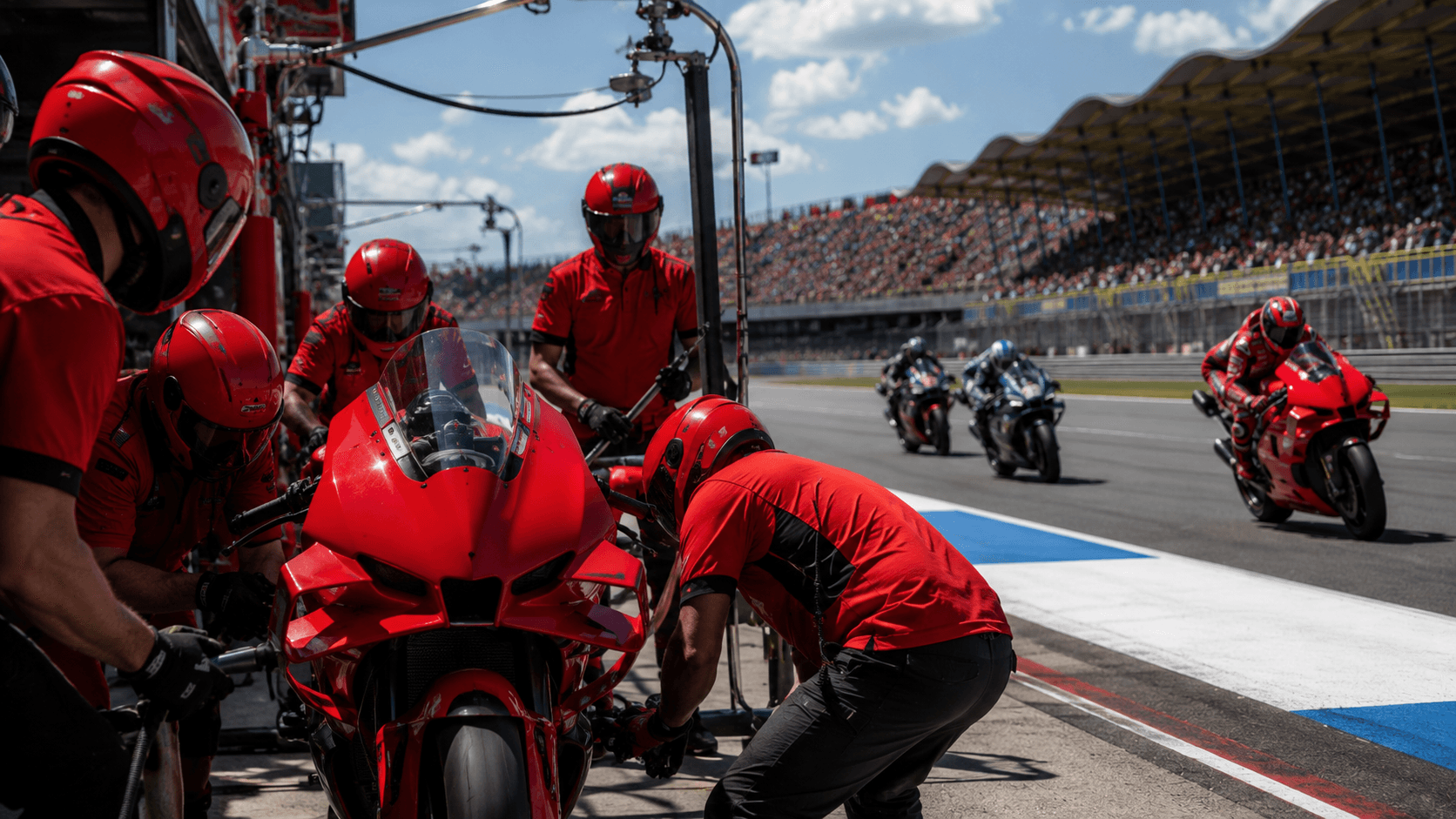
The introduction of figures such as permanent reserve riders and a more centralised management of the championship clearly demonstrates the influence of Formula 1. It is no longer just a sporting competition: it is an organised system, designed to work efficiently on a global scale.
This shift marks an important evolution. MotoGP is trying to maintain its identity, but at the same time it is adapting to a more modern and structured model.
Global expansion and new identity
Growth in international markets, attention to storytelling and the creation of an increasingly accessible product are central elements of this transformation.
The aim is not to become a copy of Formula 1, but to reach the same level of global recognisability. In other words, to turn MotoGP into a product capable of speaking to a far wider audience than before.
Formula 1: advanced technology and the risk of losing spectacle
The evolution of hybrid power units
If MotoGP looks to Formula 1 as an organisational model, F1 is undergoing an internal revolution driven by technology.
The new hybrid power units, increasingly oriented towards electrification, have made energy management a central element of the race. Every phase, from qualifying to strategy, is influenced by extremely complex technical parameters.
This represents a huge step forward from an engineering point of view, but it also introduces a critical issue: the difficulty of maintaining immediate spectacle.
More strategic races, less intuitive
More and more often races are decided by factors invisible to the average spectator, such as energy saving or tyre management.
The result is a more sophisticated motorsport, but also a less intuitive one. And when the spectacle becomes difficult to read, the risk is losing part of the audience.
MotoGP between spectacular present and regulated future
The appeal of pure competition
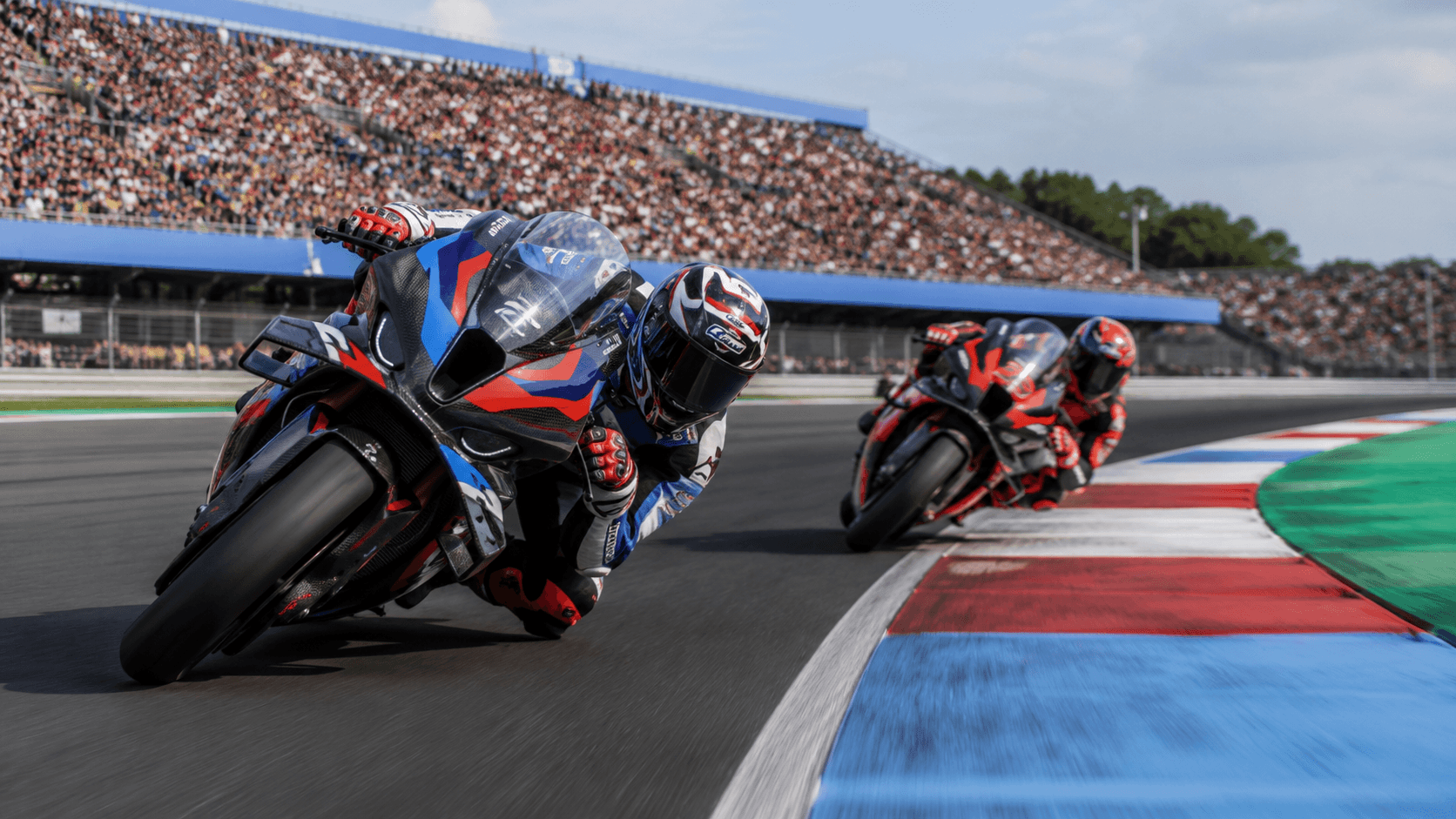
At present MotoGP continues to offer more direct and engaging races. Close contact, overtakes and human error remain central elements of the spectacle.
For many fans, this makes it more exciting than Formula 1.
The challenges of the future
However, MotoGP is also preparing for important changes. Future regulations will aim to reduce the impact of aerodynamics and to control technical development more closely.
The aim is clear: to avoid technology taking over from the rider, while keeping the DNA of the sport intact.
An increasingly global motorsport
Expansion and new critical issues
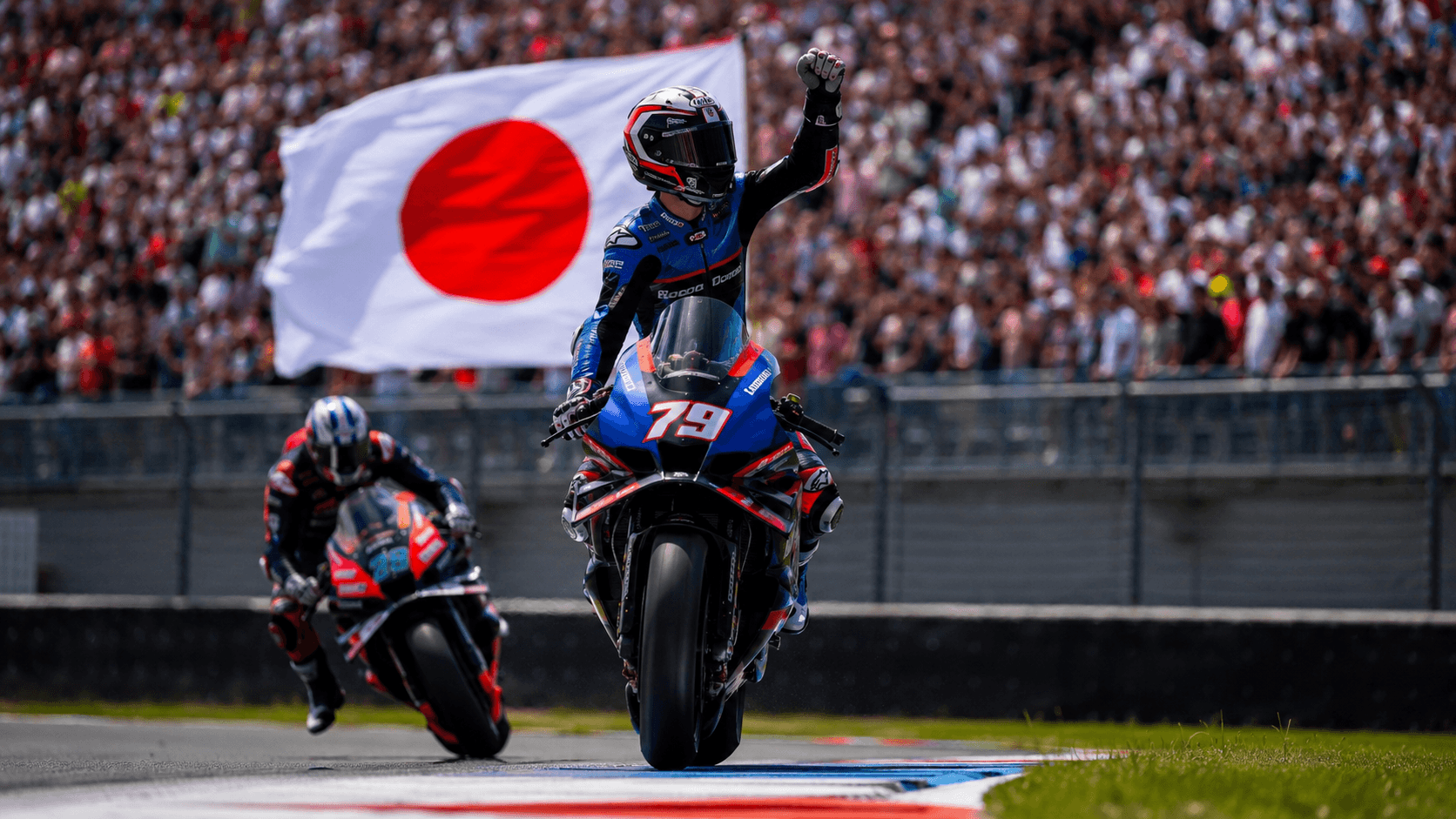
Both MotoGP and Formula 1 are expanding their calendars on a global scale. New markets, new circuits and new commercial opportunities are redefining the racing landscape.
But this globalisation also brings new complexities. Logistics, costs and geopolitical instability are factors that increasingly affect the organisation of championships.
The delicate balance of the system
Managing a global calendar today means finding a balance between expansion and sustainability. A mistake can have consequences for teams, sponsors and the public.
The central role of data and strategy
From feeling to analysis
Another key element of motorsport hybridisation is the increasingly advanced use of data.
Decisions are no longer made exclusively on the basis of experience or intuition. Today every choice is supported by simulations, predictive models and real-time analysis.
A new way of experiencing races
This change is transforming not only the way of racing, but also the way motorsport is covered.
Strategy and numbers are becoming an integral part of the narrative, making competitions more complex but also richer in content.
MotoGP & Formula 1: two categories, one direction
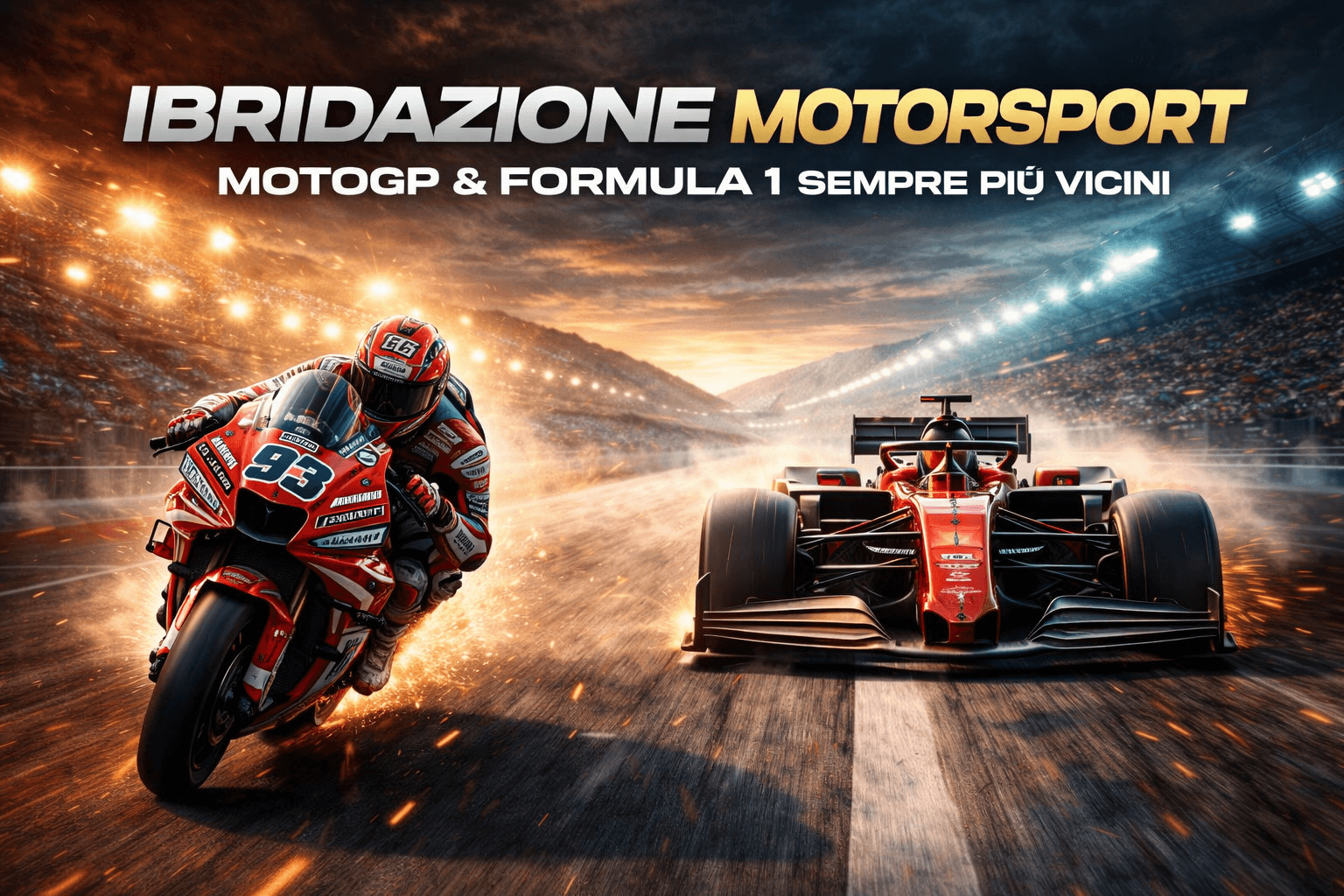
MotoGP and Formula 1 are taking different paths, but in the same direction.
The hybridisation of sport, technology and entertainment is the real trend defining modern motorsport. The challenge, for both categories, will be to evolve without losing their identity.
Because in a context where everything tends to converge, what will really make the difference will be the ability to remain recognisable, authentic and engaging.