Desmosedici front-end problems are back in focus in the paddock
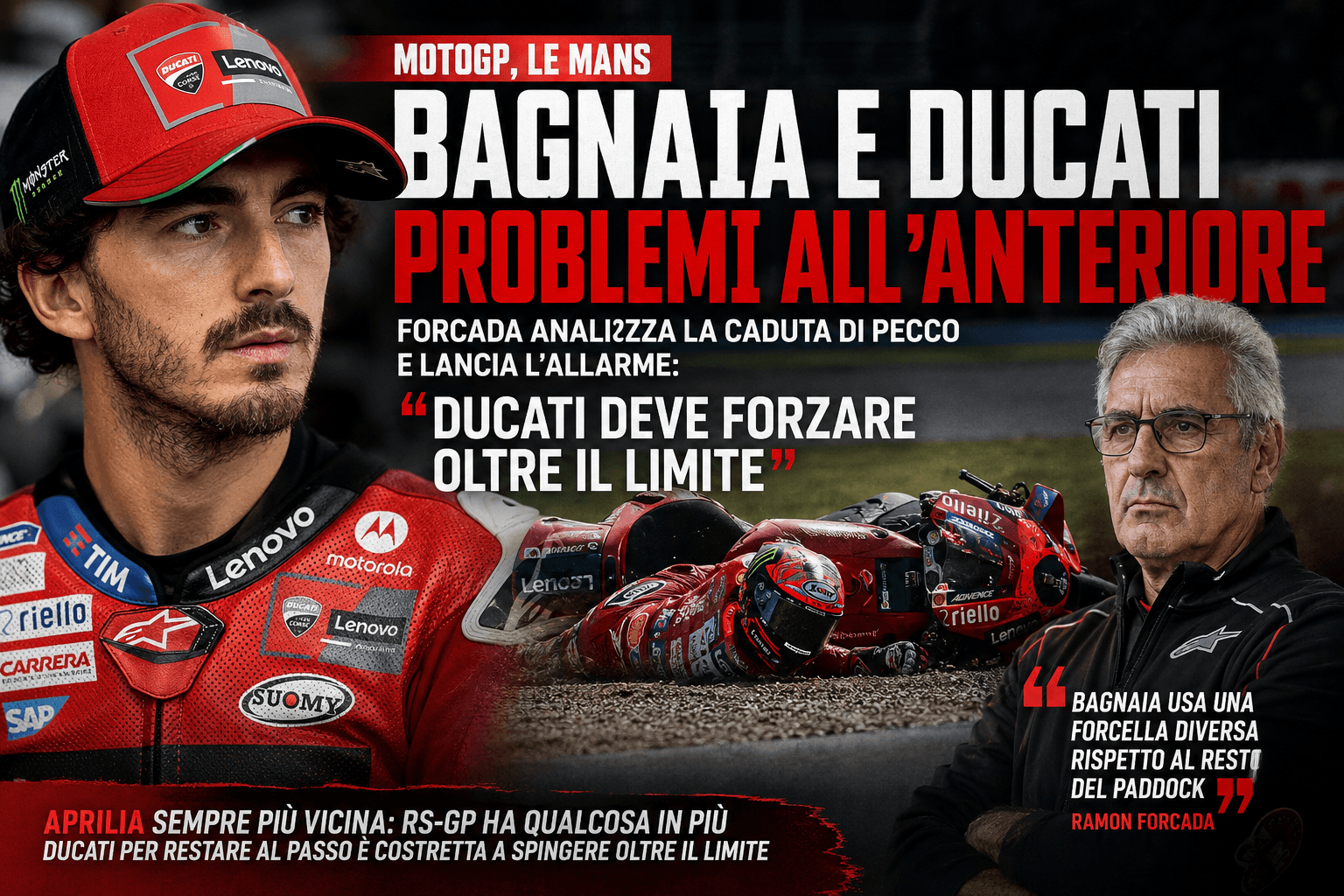
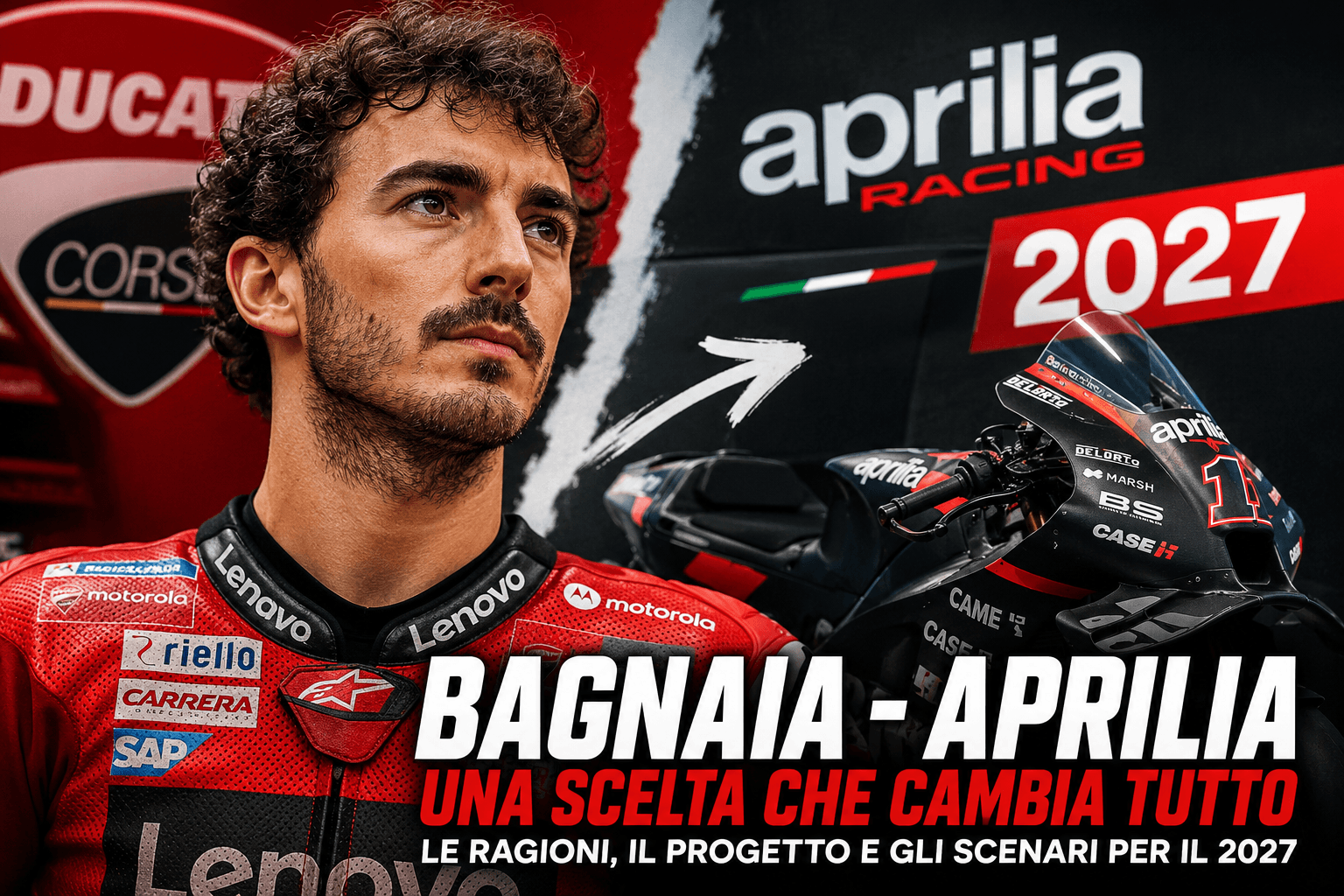
Pecco Bagnaia's crash at Le Mans was not just a race incident. The accident at the Dunlop corner during the French GP reopened technical questions that for weeks have been accompanying Ducati and the two-time MotoGP world champion. In the paddock, in fact, the feeling is growing that the Desmosedici GP24 has lost some of that solidity that in recent years had made the Borgo Panigale manufacturer the absolute benchmark in the category.
The words of Ramon Forcada, one of the most experienced and respected technicians in the Motorcycle World Championship, have added further weight to the debate. He analysed in depth the difficulties Bagnaia has been experiencing under braking and on corner entry. A technical analysis that inevitably also shone a spotlight on the direct comparison with Aprilia, now increasingly considered close to Ducati's level.
Bagnaia and that feeling lost lap after lap
Braking remains Ducati's weak point
After the Le Mans race, Bagnaia had clearly explained the problem that led to his crash. The rider from Piedmont spoke of a progressive loss of feeling at the front, a sensation that would have grown more pronounced as the laps went by, until it completely undermined his confidence on corner entry.
According to what emerged over the French weekend, the problem would manifest itself especially under the most aggressive braking, when the load on the front end increases and the rider has to manage the grip limit in a few moments. An extremely delicate situation in modern MotoGP, where the front end is the main sensory reference for the rider.
At Le Mans, Bagnaia was trying to stay hooked to Marco Bezzecchi's pace when the Desmosedici suddenly lost front-end support at the S Dunlop. A dynamic that recalled other similar episodes already experienced by the Italian champion in recent seasons.
Other riders on track had also noticed unusual movements from Ducati number 1 in the laps before the incident, confirming the feeling of a bike that had become progressively harder to read.
Ramon Forcada's analysis: “Strange to still see these problems”
Bagnaia's fork at the centre of the technical assessments
In his intervention, Ramon Forcada focused on a very specific technical detail: the fork used by Bagnaia. According to Jorge Lorenzo's former chief mechanic, the Ducati rider would be using a different set-up from much of the paddock, with characteristics that significantly affect the bike's dynamics.
The different fork travel would in fact alter the weight transfer in the hardest braking zones, changing the behaviour of the front end and the rider's perception of the limit. In MotoGP, where braking exceeds 1.5 g of deceleration by a considerable margin, even minimal changes can have a huge impact on feeling.
Forcada said he was especially surprised by the fact that Ducati continues to show problems of this kind despite the technological level reached in recent years. According to the Spanish technician, braking systems, thermal management and materials have now reached very high standards, which is why still seeing sudden front-end issues represents a significant warning sign.
Aprilia is growing and Ducati is forced to push
The RS-GP impresses with balance and stability
The strongest statements, however, concern the performance comparison with Aprilia. Forcada believes the RS-GP has now reached a level that really puts Ducati under pressure, especially in race pace and front-end stability.
According to the former MotoGP technician's analysis, Bagnaia would often be forced to ride beyond the natural limit of the Desmosedici in order to keep up with the pace set by the Aprilias. A situation that inevitably increases the risk of mistakes and crashes.
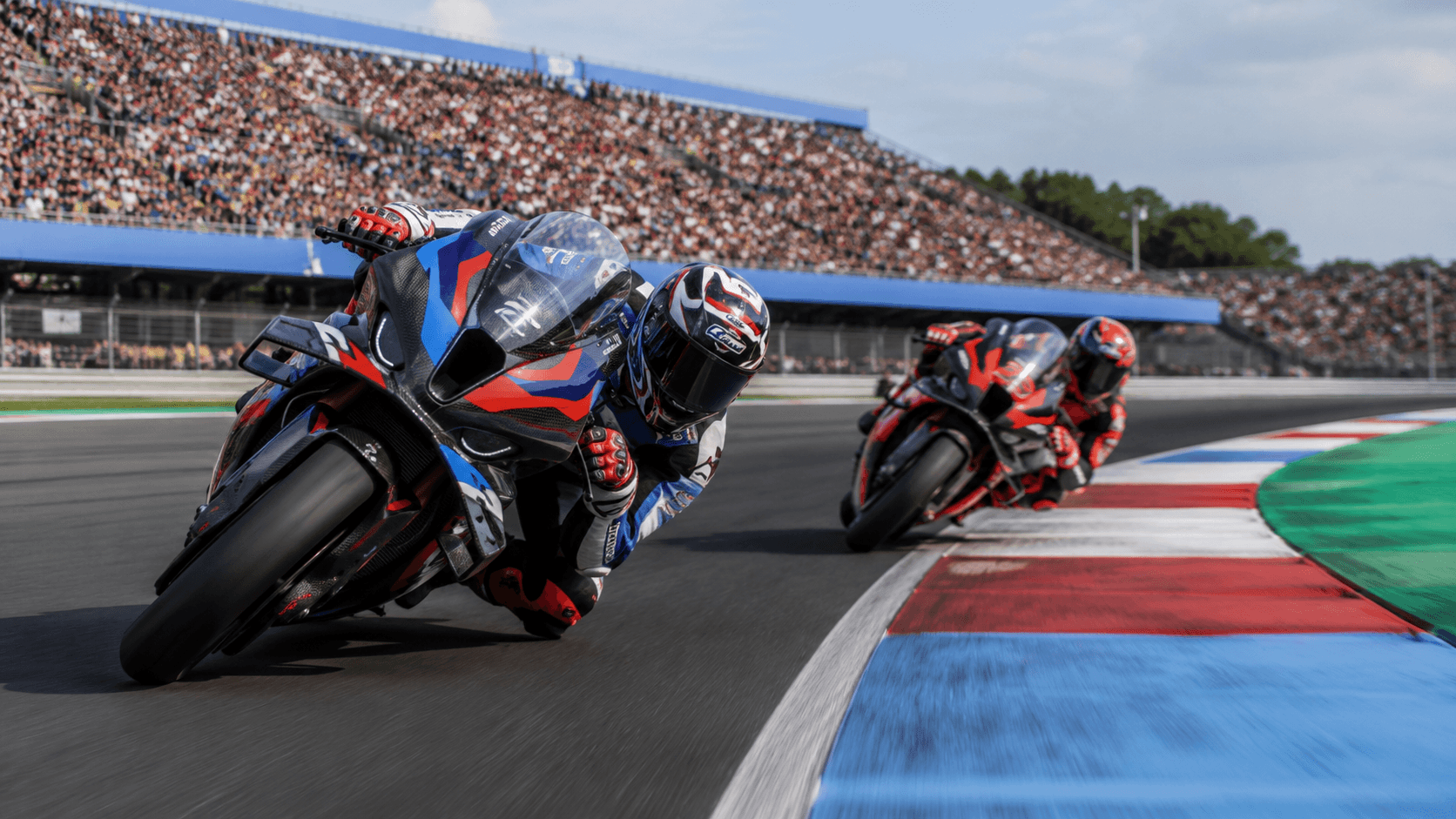
In the paddock, the conviction is growing that Aprilia has found an extremely effective technical window, especially on circuits where stability in cornering and great confidence on corner entry are needed. The RS-GP seen at Le Mans showed a very balanced bike, capable of maintaining consistent performance even in the final laps.
Ducati remains probably the most complete bike on the grid overall, but the crushing advantage of recent seasons seems to have narrowed. And it is precisely this new technical balance that could turn the 2025 World Championship into one of the most hard-fought seasons in recent years.
Ducati looks for answers: the World Championship enters a decisive phase
Borgo Panigale working to find stability again
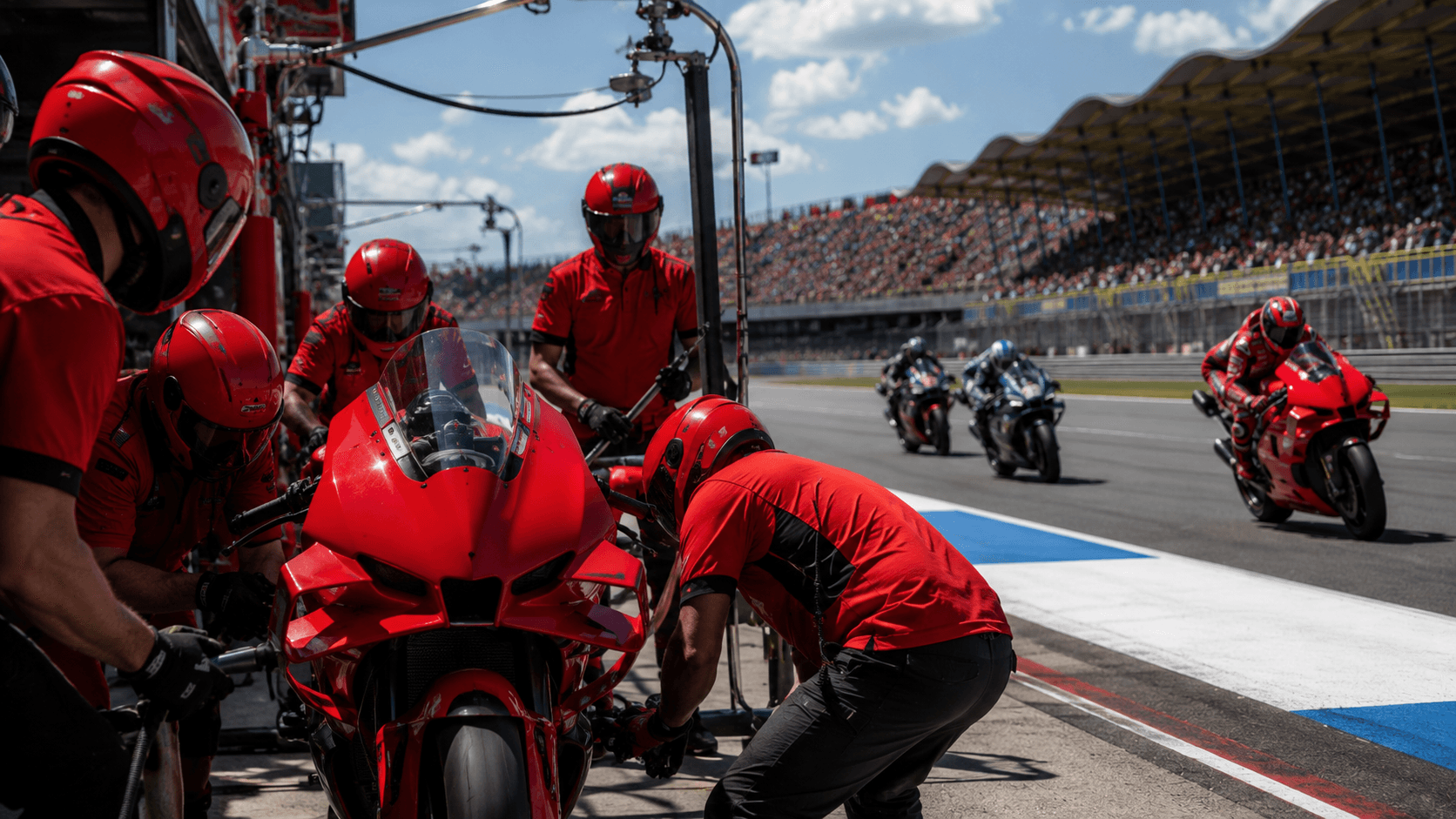
In the Ducati pits, the work is now focused on pinpointing the precise causes that lead Bagnaia to lose confidence at the front in the decisive phases of races. The feeling is that the problem does not concern a single component, but an overall balance between set-up, braking, tyre management and the bike's dynamic behaviour.
The Desmosedici continues to deliver very high performance on a single lap and under acceleration, but in the tighter races vulnerabilities are emerging that rivals are beginning to exploit consistently.
Forcada's words had a big impact precisely because they come from one of the paddock's most competent technicians. And when an observer of that level points out that Ducati “is not as comfortable as before”, it means that the technical battle in MotoGP is entering a new phase.
For Bagnaia, meanwhile, the priority remains rediscovering that feeling at the front which in recent years had been one of his absolute strengths. Because in modern MotoGP, when confidence at the front is lacking, even a few tenths can make the difference between victory and a crash.