Verstappen and retirement: why it is no longer science fiction today
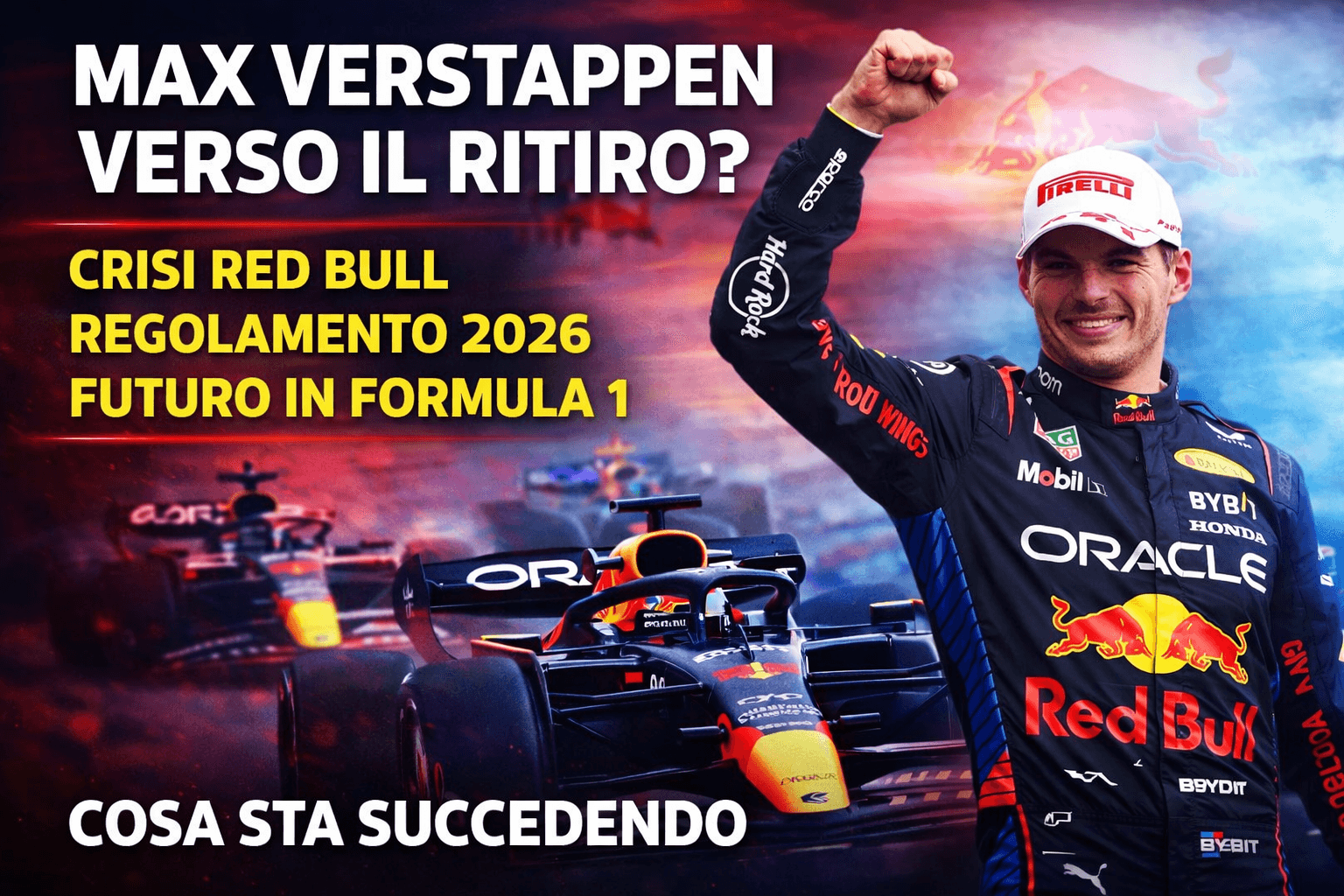
Max Verstappen has not yet made a definitive decision, but the very fact that the retirement issue has entered the debate completely changes the perspective on modern Formula 1. The four-time world champion has admitted that all options are open, including an early exit from the Circus, despite a contract with Red Bull until 2028.
His statements do not have the tone of provocation, but that of deep personal reflection: when the pleasure of driving fades, sporting dominance also loses value. And it is precisely this point that makes the issue so relevant for fans and insiders.
Red Bull crisis and results: how much does the car's performance weigh?
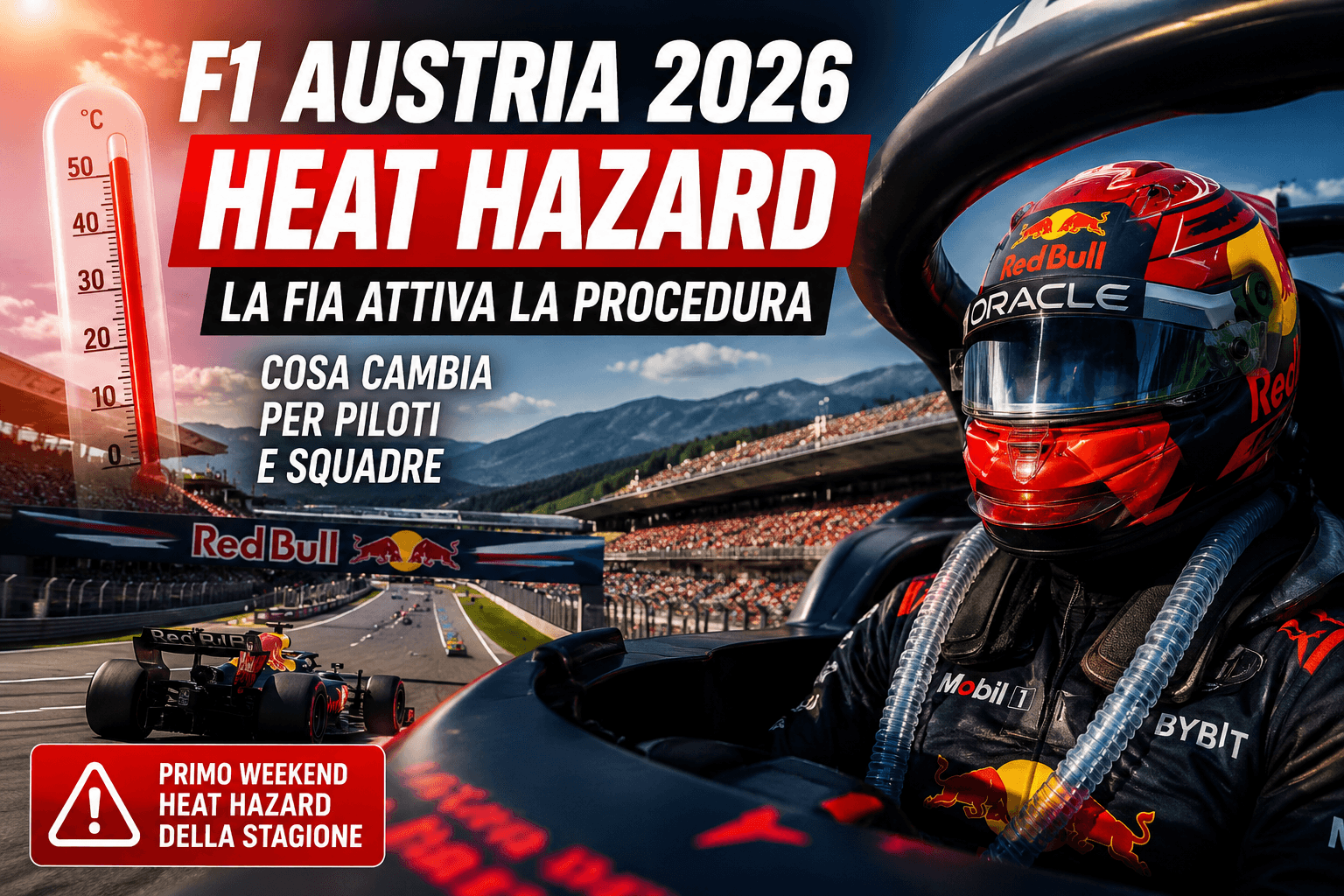
One of the key factors behind Verstappen's doubts is Red Bull's drop in competitiveness. After years of dominance, the technical difficulties and mixed results – such as the finish off the podium in Japan – have helped to undermine the Dutch champion's certainties.
In Formula 1, winning is not everything, but for a driver used to always fighting for first place, losing without having control of the situation can become frustrating. However, reducing the problem to performance alone would be superficial.
Formula 1 2026 regulations: why Verstappen is critical
The real issue is the regulatory change scheduled for 2026. The new power units, with a much more significant electrical component, are transforming the way the cars are driven.
Verstappen has expressed doubts several times about this technical evolution, stressing how the driving feel has changed and, in his view, worsened. The risk, from his point of view, is that Formula 1 may lose part of its more “pure” essence.
Private life and motivation: the human factor behind the choice
A central aspect in Verstappen's reflection concerns the balance between career and personal life. The driver has admitted that, when the fun decreases, it becomes natural to ask whether it would not be better to devote more time to family and interests away from the track.
This element is often underestimated, but it is decisive: at 28 years old, Verstappen is still at the peak of his career, but he has already achieved practically everything a driver can wish for in Formula 1.
Contract clauses and future: can he really leave Red Bull?
Despite a multi-year contract, there are rumours about possible performance-related clauses that could allow Verstappen to leave early.
This makes the retirement scenario (or even a change of category) more concrete than one might think. His position is strong: he is not a driver looking for a seat, but the benchmark for the entire paddock.
Alternatives to Formula 1: endurance, sim racing and new challenges
Verstappen has never hidden his interest in other forms of motorsport, particularly endurance races. In addition, he is very active in sim racing, an environment that allows him to experience competition in a freer and less constrained way.
An eventual farewell to Formula 1 would therefore not mean a total retirement from racing, but rather a transition to contexts more in line with his vision of driving.
Impact on Formula 1: what happens without Verstappen
Verstappen's possible retirement would have a huge impact on Formula 1, both in sporting and media terms. We are talking about the most dominant driver of his generation, a global benchmark for the public and sponsors.
His early exit would also be a strong signal to FIA and organisers: something, in the relationship between drivers and the sport, may no longer be working as before.
Conclusion: is retirement close or just a phase of reflection?
As of today, Max Verstappen's retirement remains a possibility, but no longer a distant one. His words point to a real change in the way he experiences Formula 1.
A great deal will depend on three key factors:
Red Bull's competitiveness
the impact of the 2026 regulations
his personal motivation
If these elements do not realign, Formula 1 could indeed lose its most representative protagonist sooner than expected.