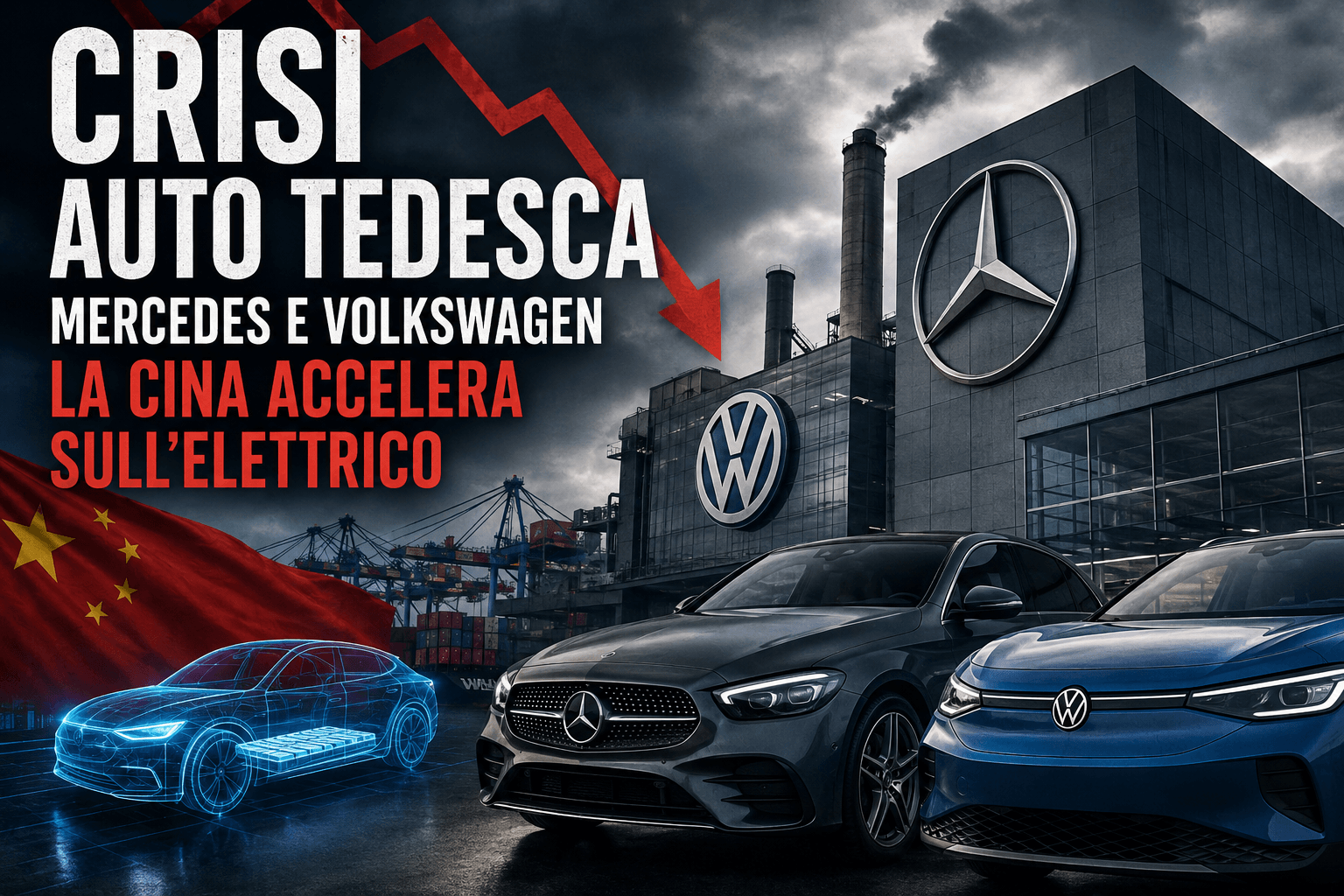
The electric revolution is putting European manufacturers in difficulty
For years the German manufacturers built their success around premium combustion engines, imposing extremely high standards in terms of quality, performance and technology. The arrival of electric vehicles, however, suddenly changed the rules of the game.
New electric cars require fewer mechanical components, shorter assembly times and huge investments in software development. It is precisely on this front that European manufacturers are paying for the delay accumulated compared with Asian rivals.
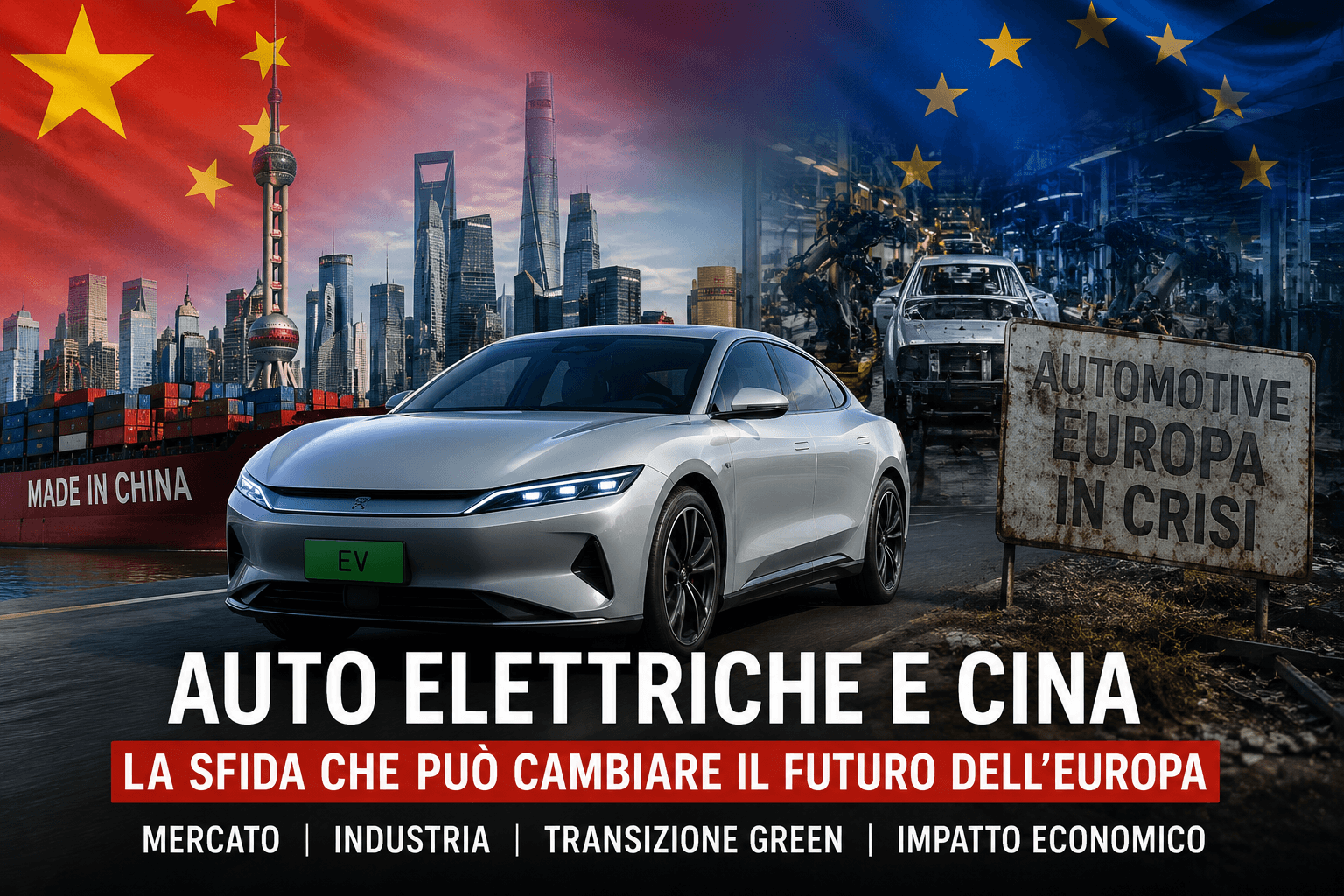
Chinese brands have accelerated at an impressive pace. BYD, Geely and MG are taking market share thanks to modern cars, competitive range and prices far lower than European models.
The difference is no longer just economic. Today Chinese producers are able to offer advanced technologies and rapid software updates, elements that are becoming decisive in customer choices.
Volkswagen faces the most difficult restructuring in its history
Plants under scrutiny and reduced production
Volkswagen is probably the most delicate case in the entire European landscape. The German group is going through an unprecedented industrial transformation, with the need to cut costs and quickly increase competitiveness.
European demand is slowing, the Chinese market no longer guarantees the results of the past and the German factories often operate below their production capacity. For this reason, management has launched a deep internal reorganisation involving production, employment and commercial strategies.
The goal is to make the group more flexible in a context completely different from the one that supported Volkswagen's growth over the last twenty years.
The employment issue worries Germany
The transition to electric is also having heavy consequences for jobs. Since 2019 the German automotive sector has already lost over one hundred thousand jobs, while forecasts speak of further cuts within the next decade.
The reason is simple: an electric car requires less labour than a combustion one. Fewer components, less mechanical complexity and leaner production lines are radically changing the way factories work.
Major European suppliers are also going through difficult months. Several companies in the supply chain have announced downsizing programmes to face a transformation that now appears inevitable.
Mercedes seeks a comeback between luxury and electric mobility
The Chinese market slows the Star's ambitions
Mercedes-Benz is also paying for the global slowdown and above all the slowdown in the Chinese market, which for years had guaranteed very high profits for the Stuttgart brand.
Electric sales are not growing as initially expected and the premium segment is feeling the increasingly strong competition from new Asian brands.
In response, Mercedes has accelerated the development of new electric models and dedicated platforms, seeking to maintain its luxury positioning in a market that is changing quickly.
Technology and software become decisive
The real comparison today is no longer just about engines and design. The contest is being fought above all on batteries, smart software and digital updates.
And it is precisely here that European brands are trying to make up ground on Asian manufacturers, capable of developing new technologies in much shorter timeframes.
Mercedes aims to strengthen its premium identity through build quality, comfort and innovation, but the global market also demands economic competitiveness and speed of development.
BMW tries to hold on thanks to a more flexible strategy
In the German landscape, BMW seems to be the brand that is handling the sector's transformation best.
The choice to maintain production lines capable of assembling both combustion and electric models allows the Bavarian group to adapt more quickly to market trends.
A strategy that is helping BMW contain the difficulties in a period marked by uncertain demand and strong competitive pressure.
Even for the Bavarian manufacturer, however, the Chinese market remains a key unknown for the future.
The future of the European car depends on the speed of response
The German automotive crisis represents much more than a simple negative phase. It is the sign of an industrial revolution that is changing the global balance of the sector.
For decades Germany led the market thanks to the engineering superiority of its brands. Today, however, quality and tradition are no longer enough.
The challenge is being fought on the ability to innovate quickly, cut costs and develop advanced software in competitive timeframes. In the meantime, China continues to grow and to gain ground also in Europe.
The next few years will be decisive. Mercedes, Volkswagen and the entire European industry will have to prove they can adapt to a car world completely different from the one that built their global dominance.