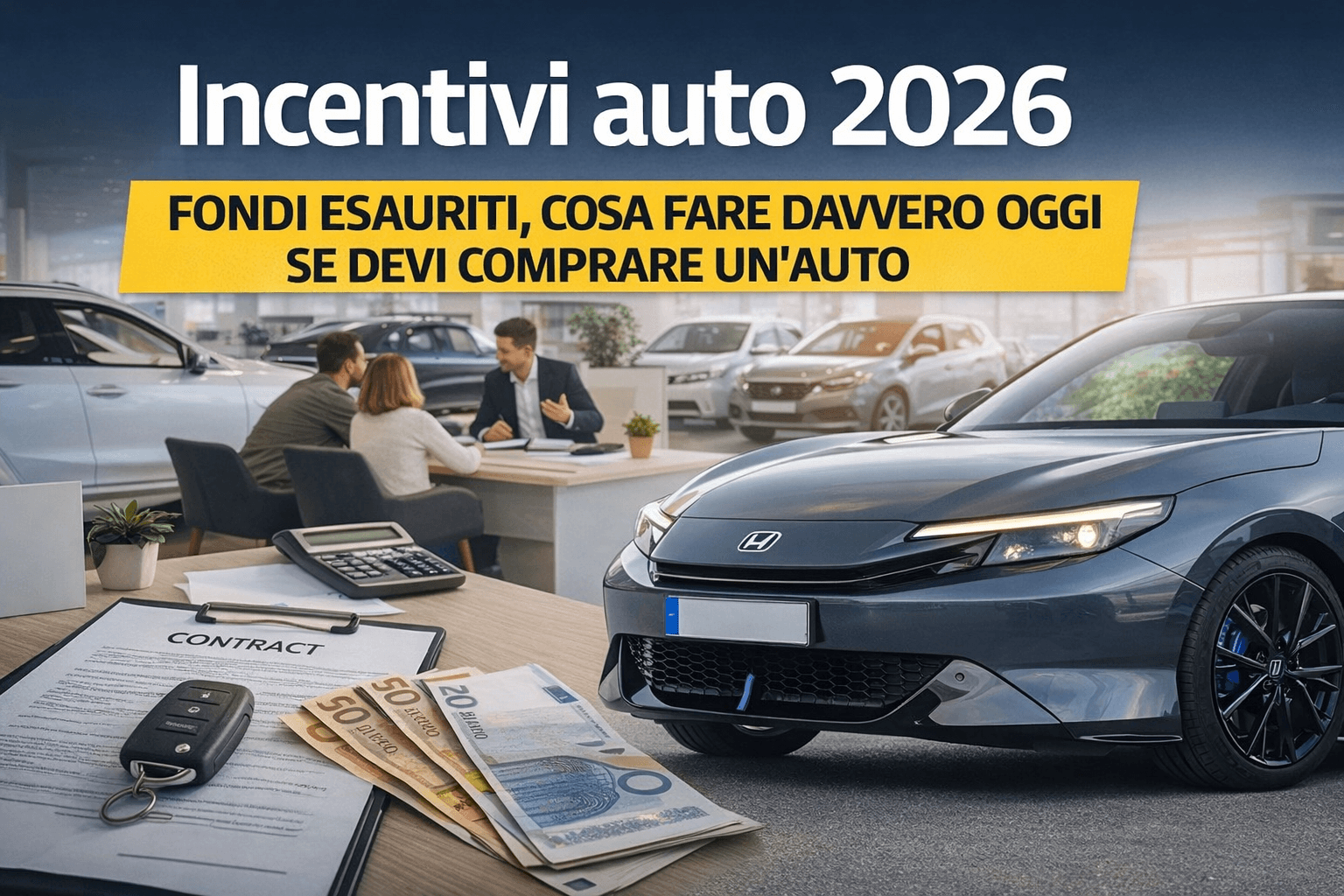
A system that can no longer cope with demand
In recent years incentives have had a clear role: to push the spread of low-emission cars, in particular electric and plug-in hybrid models.
However, the mechanism has shown all its limits:
Limited funds on an annual basis
Demand concentrated in the first few days
Resources exhausted extremely quickly
The result is there for all to see: those who arrive prepared manage to take advantage of them, while everyone else is left out.
It is not a problem of interest, but of timing. The market, in effect, has “compressed” itself around the incentives.
How much of a difference incentives really made
To understand why their absence is felt so much today, just look at the figures from recent years:
Up to around 5.000 euro for electric cars with scrappage
Around 3.000 euro without scrappage
Up to 4.000 euro for plug-in hybrids
On cars that often cost more than 35.000 euro, this is a concrete difference, capable of influencing the final choice.
The market adapts: what is really happening
The end of the incentives has not stopped the market, but transformed it. Manufacturers and dealerships are trying to fill the gap with different tools.
Discounts and commercial offers
Increasingly common:
Direct price bonuses
Favourable financing
High valuations for used cars
In many cases, the financial advantage is less far from the incentives than one might think.
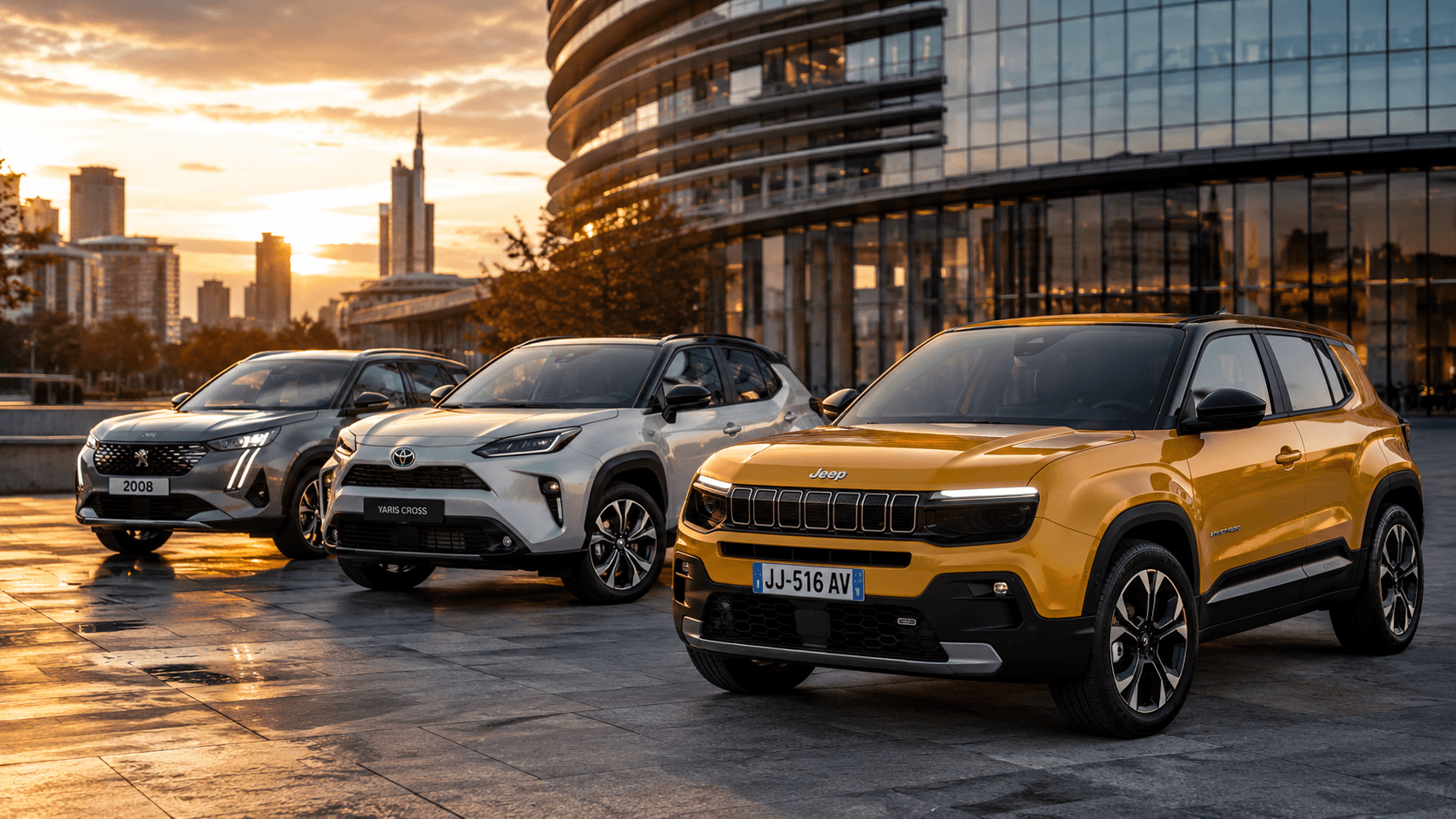
Nearly new and ready for delivery
One of the most concrete solutions in 2026.
They allow you to:
Reduce the price substantially
Avoid long waits
Access already-equipped cars
They are not customisable, but they often represent the best balance between price and availability.
Long-term rental
A formula that is becoming increasingly common, especially among private customers:
Fixed monthly payment
Predictable costs
No surprises on maintenance and running costs
In an uncertain context, it offers a stability that many are looking for.
Electric, hybrid or combustion: how the economics change
The absence of incentives has a direct impact on the perception of the different powertrains.
Electric car
It remains the most advanced choice, but without bonuses the entry price is more demanding. It makes sense above all for those who drive many kilometres and can recharge easily.
Hybrid
Today it is probably the most balanced solution. Lower fuel consumption, ease of use and more accessible costs.
Petrol and diesel
They have returned to being a concrete choice, especially for those with a limited budget. They cost less to buy, even if with some future unknowns.
Real examples: what really changes without incentives
To better understand the situation, it is worth looking at some concrete cases.
Hybrid city car for everyday use
An urban driver, with an average annual mileage of 15.000 km, is now facing this scenario:
List price: 24.000 €
Dealership discount: about 2.500 €
Final price: 21.500 €
With incentives in place, the same purchase would have fallen to around 19.000 euro.
The difference exists, but it is relatively limited and often offset by commercial offers. In this case, the hybrid remains a logical and sustainable choice.
Compact electric car
Here the picture changes.
Price: 36.000 €
Average discount: 3.000 €
Final price: 33.000 €
With incentives, it could come down to around 28.000 euro.
In this case, the bonuses make a significant difference. Without incentives, the purchase requires a more careful assessment, especially based on actual use.
Sports coupé
For more emotional cars, such as a sports coupé, the situation is different.
Average price: 40.000–45.000 €
Incentives: none
Discounts: limited
Here the choice has never been linked to incentives, but to the product itself. The financial factor matters, but it is not decisive.
Petrol or diesel SUV
For many families, this is now one of the most concrete options:
Average price: 28.000 €
Incentives: none
Discounts: up to 3.000–4.000 €
In some cases, these cars are more convenient now than during the incentive period.
Is it better to wait or buy now?
It is the most frequent question, but there is no single answer.
Waiting may make sense if:
There is no urgency
An electric car is the target
New funds are hoped for
Buying immediately makes more sense if:
A car is needed in the short term
Interesting offers are found
A nearly new car or recent used car is being considered
The risk, by waiting, is being stuck waiting with no certainty.
The real change in mindset
2026 marks an important turning point. For years people chose “based on the incentive”. Today that approach no longer works.
The right question is not: “How much do I save straight away?”
But: “How much does this car cost me over time?”
Between fuel consumption, maintenance, insurance and residual value, the total cost is the real element to consider.
Conclusions
Car incentives have not disappeared, but they are no longer a guarantee. They have become an occasional opportunity, not a basis on which to build a decision.
The market is adapting and, with it, motorists too.
Today choosing well means looking beyond the state bonus and carefully assessing real offers, everyday use and long-term financial sustainability.
In a context dominated by uncertainty, the best choice is not the one most incentivised, but the one most suited to your needs.