Ferrari 2026, the technical choice dividing the paddock
The heart of the dispute concerns the new architecture of the power units introduced by the 2026 regulations. The removal of the MGU-H is in fact one of the most radical changes in recent years and forces all manufacturers to rethink the turbocharger’s behaviour completely.
Without the system that today keeps the turbo constantly spinning, the cars will be more exposed to turbo-lag, the delay in the engine’s response under acceleration. A particularly evident issue at the start and on exits from slow corners.
Ferrari is said to have decided to tackle the problem by focusing on a more compact and responsive turbo, a solution that would guarantee greater speed in throttle response but could limit some of the maximum power available on long straights.
A clear technical philosophy, developed to favour driveability, traction and aggression on restarts.
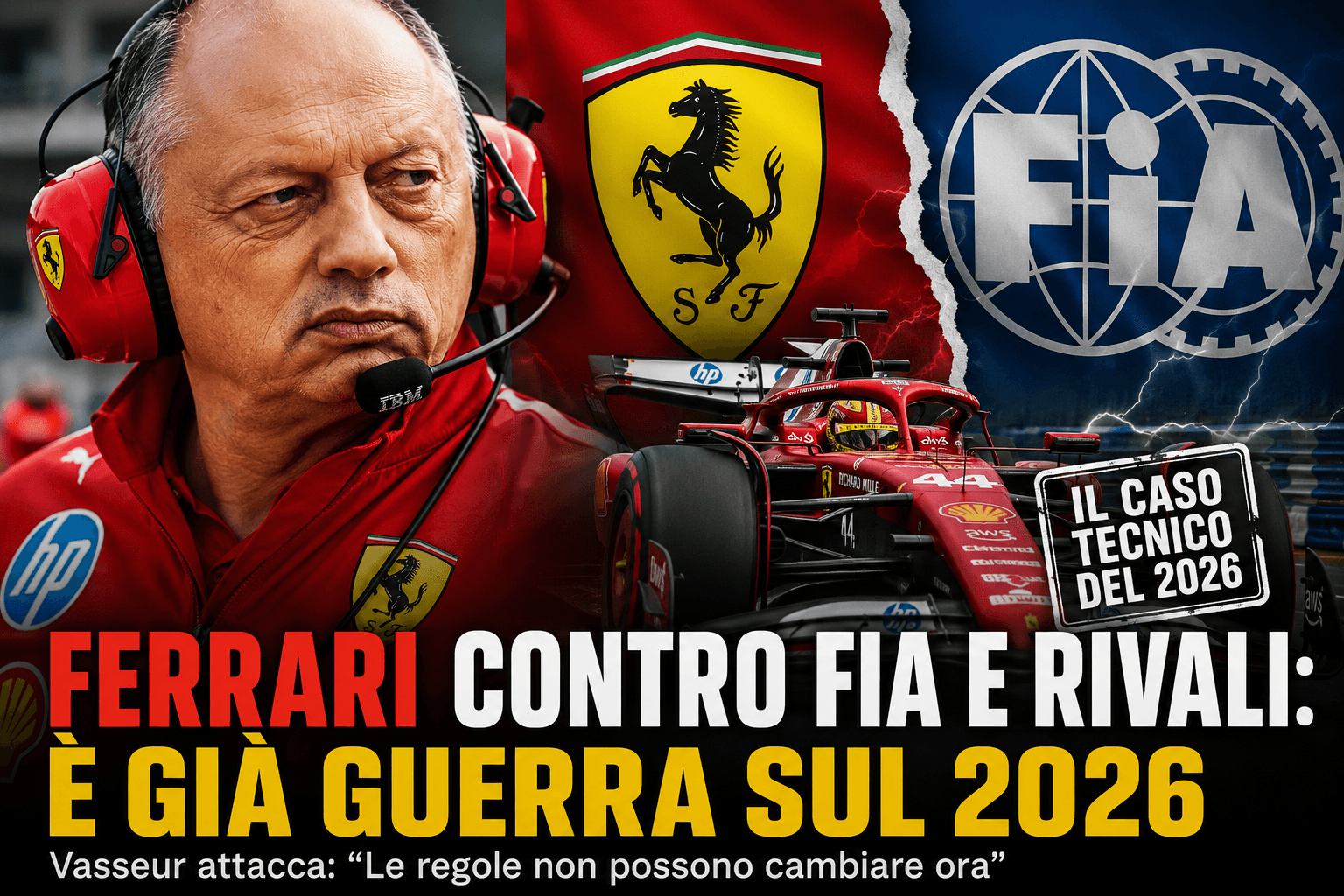
Vasseur attacks: “The rules cannot change now”
Frédéric Vasseur’s words have caused a stir throughout the paddock. The French manager let it be understood that some teams, finding themselves in difficulty in simulated starts, had asked the FIA to step in to introduce new procedures capable of making power unit management easier.
According to Ferrari, however, the problem was known from the very beginning of the design process and every manufacturer had the necessary time to develop its own technical solution. For this reason the team considers any regulatory intervention close to the entry into force of the new rules to be risky.
The hypothesis currently being discussed would concern changes in pre-start procedures and in the electronic management of the turbo on the grid, aspects that could help the less prepared teams from this point of view.
From Maranello, however, the line is clear: those who interpreted the regulations better must not be penalised.
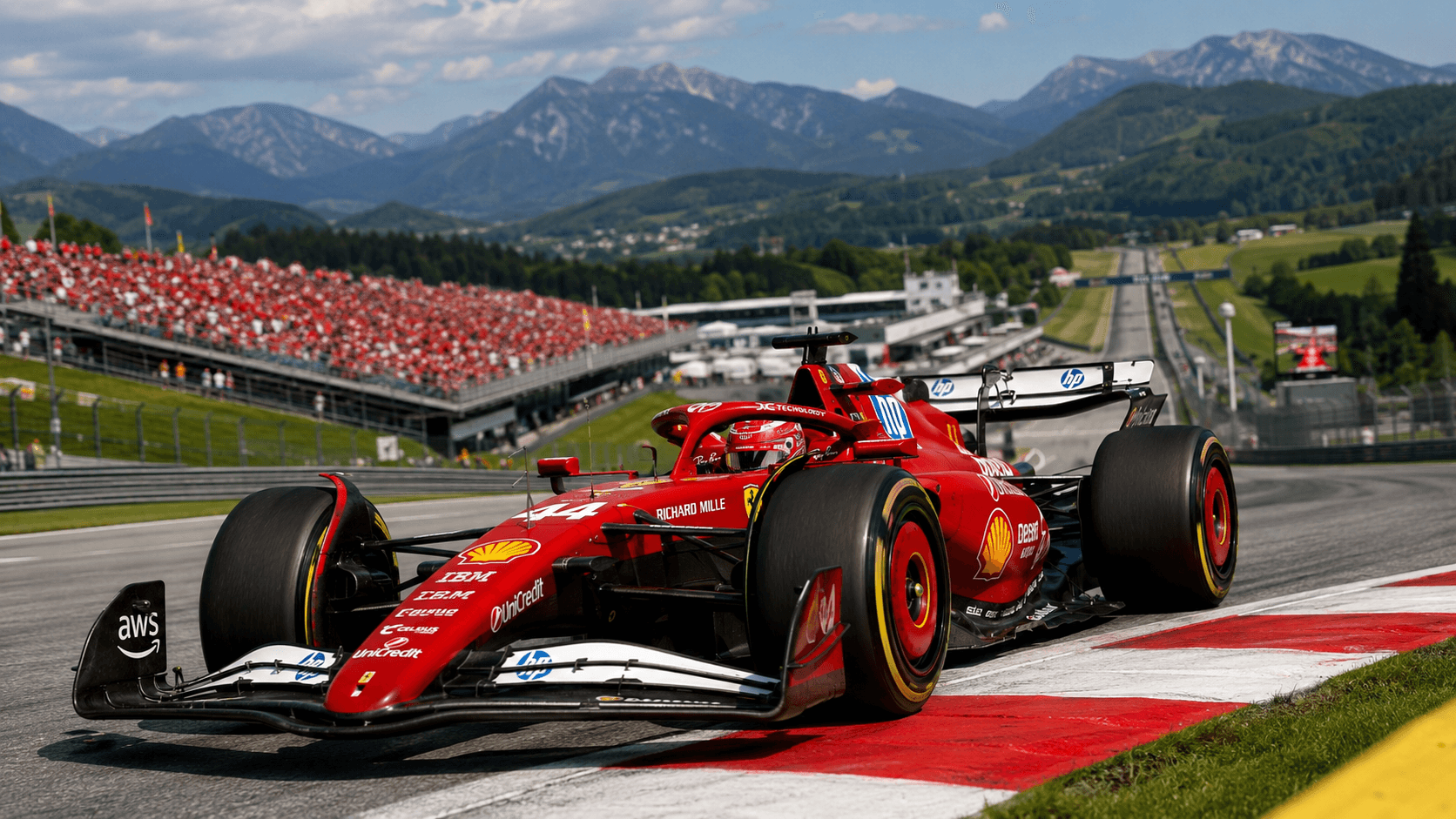
Leclerc defends Ferrari: “Every team made its own choices”
Charles Leclerc has also taken a stance on the issue. The Monegasque driver explained how every team developed the 2026 project following a precise technical direction, which is why any corrections risk altering the work done over the last few months.
Leclerc reiterated that the new generation of cars will require very different compromises compared with the current Formula 1 and that Ferrari seems to have focused on a car that is easier to manage in traction phases.
A feature that could make the difference especially on street circuits such as Monaco, Singapore or Baku, where the speed of response of the power unit carries enormous weight on the flying lap and in acceleration phases.
Hamilton watches Ferrari’s revolution
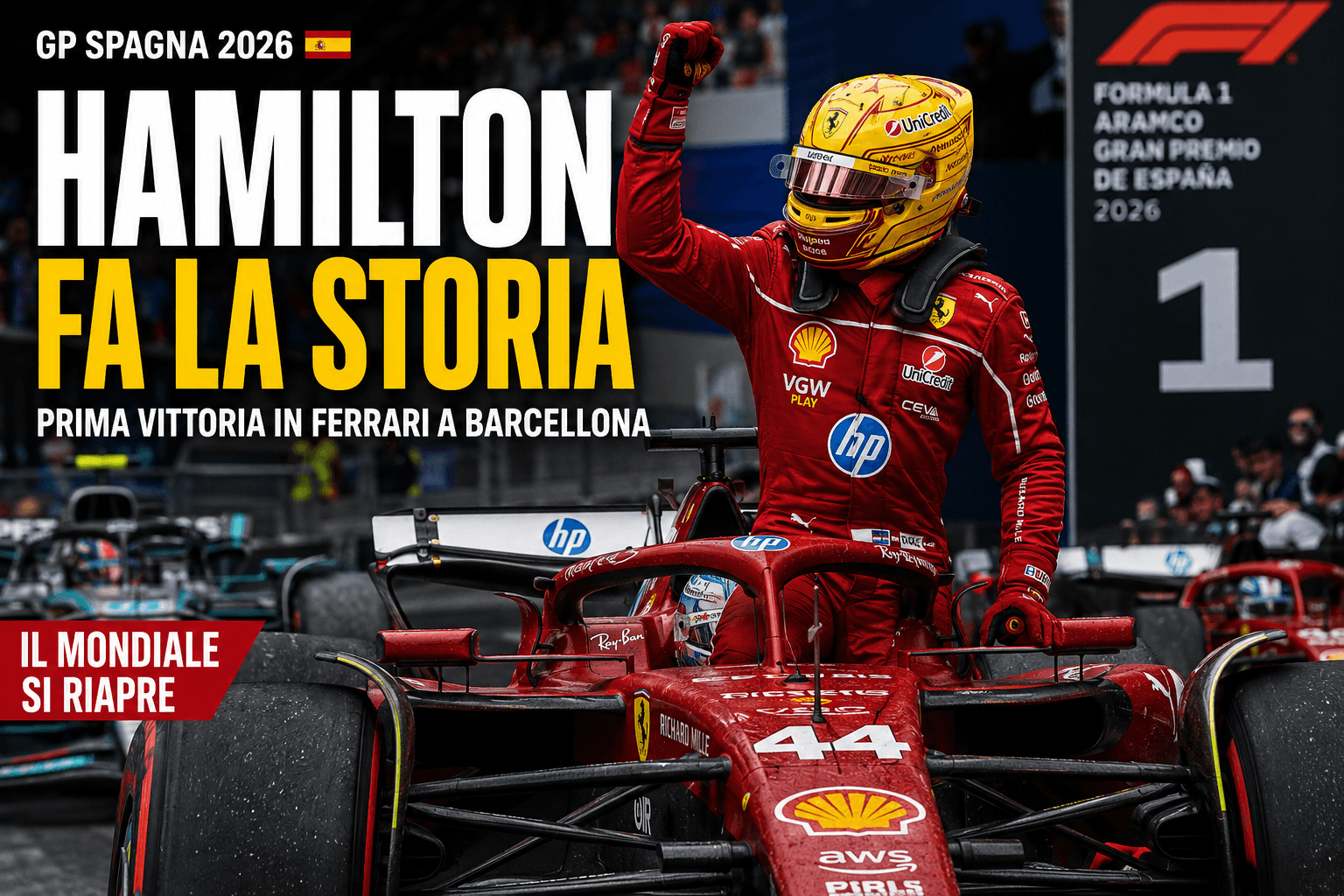
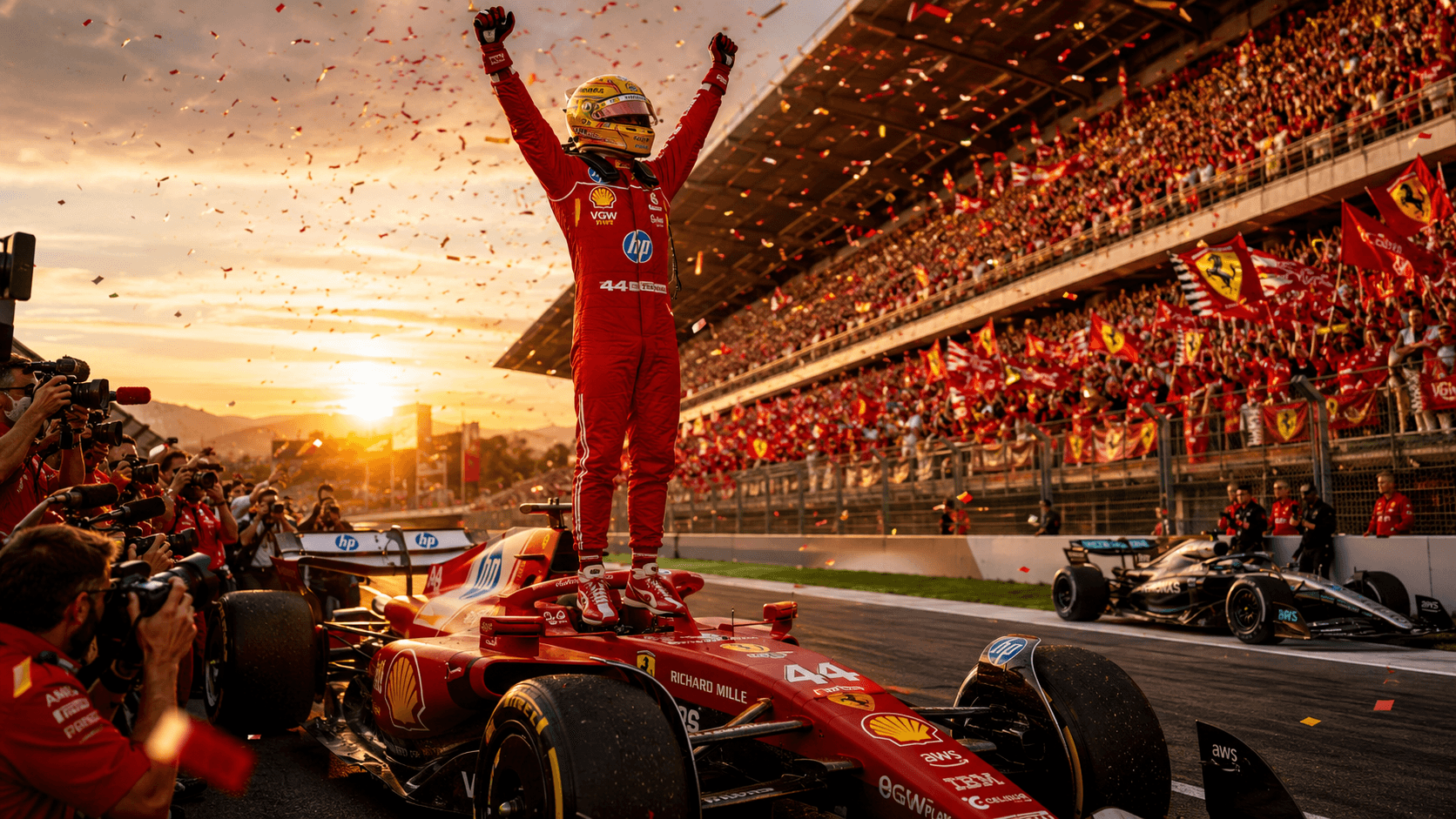
Meanwhile Lewis Hamilton is also following the technical evolution of the Ferrari project closely. The seven-time world champion is going through a fundamental phase of adaptation to the work at Maranello just as the team builds the foundations of the car destined for the new regulatory cycle.
Inside the team, the conviction is growing that 2026 could represent one of the most important opportunities of the last decade. Ferrari wants to arrive ready for the occasion and considers every technical detail decisive in the fight for the world title.
For this reason, the confrontation with FIA and rivals is seen as a strategic issue and not merely a regulatory one.
Mercedes, Red Bull and the fear of Ferrari’s advantage
Behind the political tensions there are also doubts about the real values of the future power units. In the paddock, rumours continue to circulate about the different philosophies adopted by engine manufacturers and the possible early advantage of some teams.
Mercedes continues to be indicated as the absolute benchmark on the power front, while Ferrari would have concentrated much of its development on driveability and efficiency in acceleration phases.
Red Bull Powertrains, meanwhile, remains an unknown, especially considering the new collaboration with Ford and the complexity of the technical transition.
In this scenario, any regulatory change inevitably risks shifting the competitive balance.
2026 could change Formula 1’s recent history
The feeling in the paddock is that Formula 1 is entering a new political as well as technical phase. The discussions about start procedures represent only the first chapter of a long battle destined to continue in the coming months.
Ferrari wants to protect the work done in Maranello and defend a technical choice considered strategic. Rivals, meanwhile, are calling for greater operational balance to avoid overly marked differences from the very first races.
The FIA thus finds itself in the middle of a clash that could define the set-up of Formula 1 in the future.
And while the 2025 World Championship is still in full swing, the paddock has already started fighting its most important battle: that of 2026.