New 2026 power unit regulations: the development race in Formula 1 opens up again
Formula 1 is approaching one of the most radical technical changes of the modern era. The 2026 power unit regulations will completely reshape the concept of performance, with a significant increase in the electric component and energy management taking on a much more central role than in the current generation of hybrid engines.
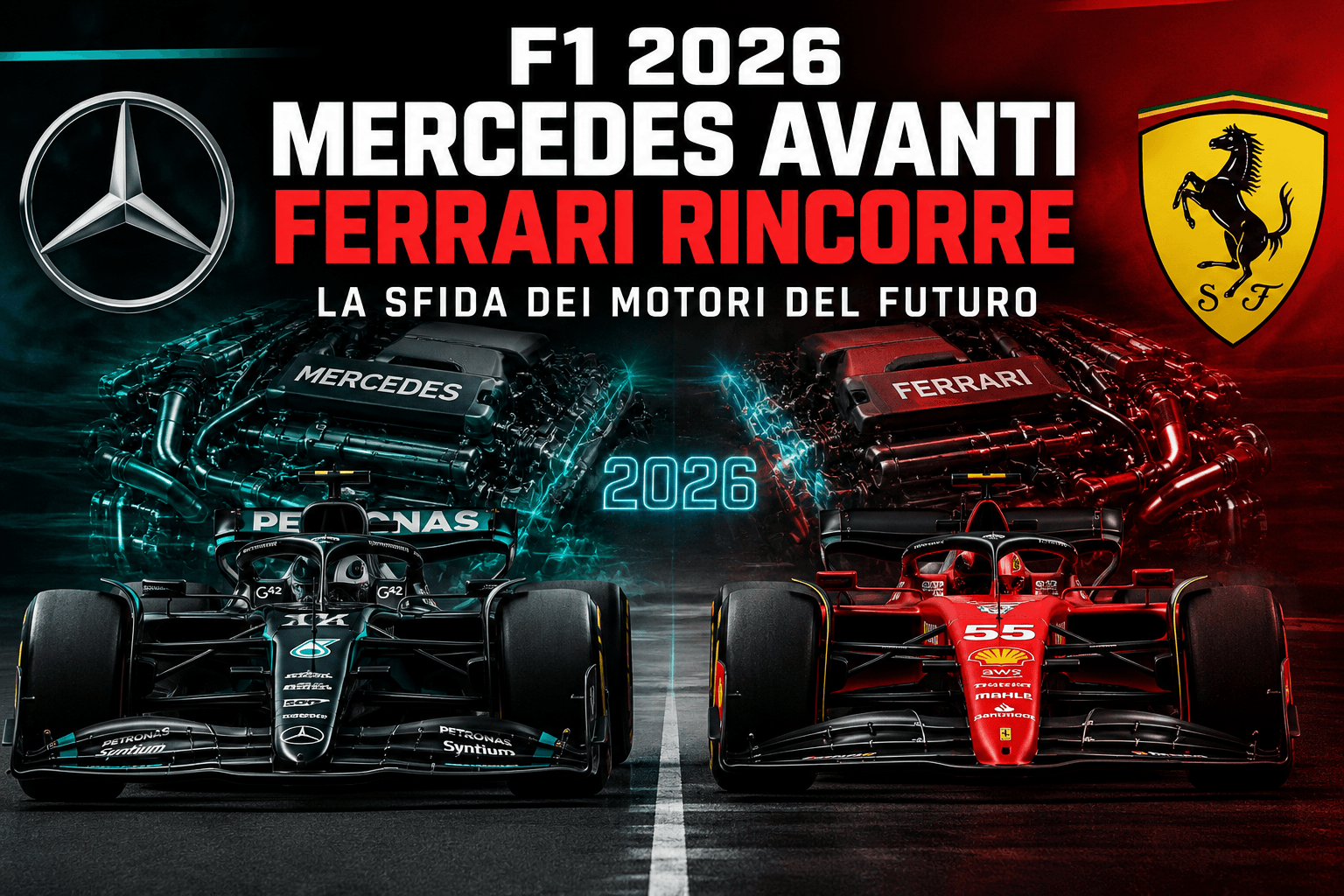
In this transition scenario, the hottest topic in the paddock concerns Mercedes’ possible early advantage over its rivals, in particular Ferrari, which is going through a complex but potentially decisive development phase to return to the top.
Mercedes F1 and the advantage of experience in the hybrid era
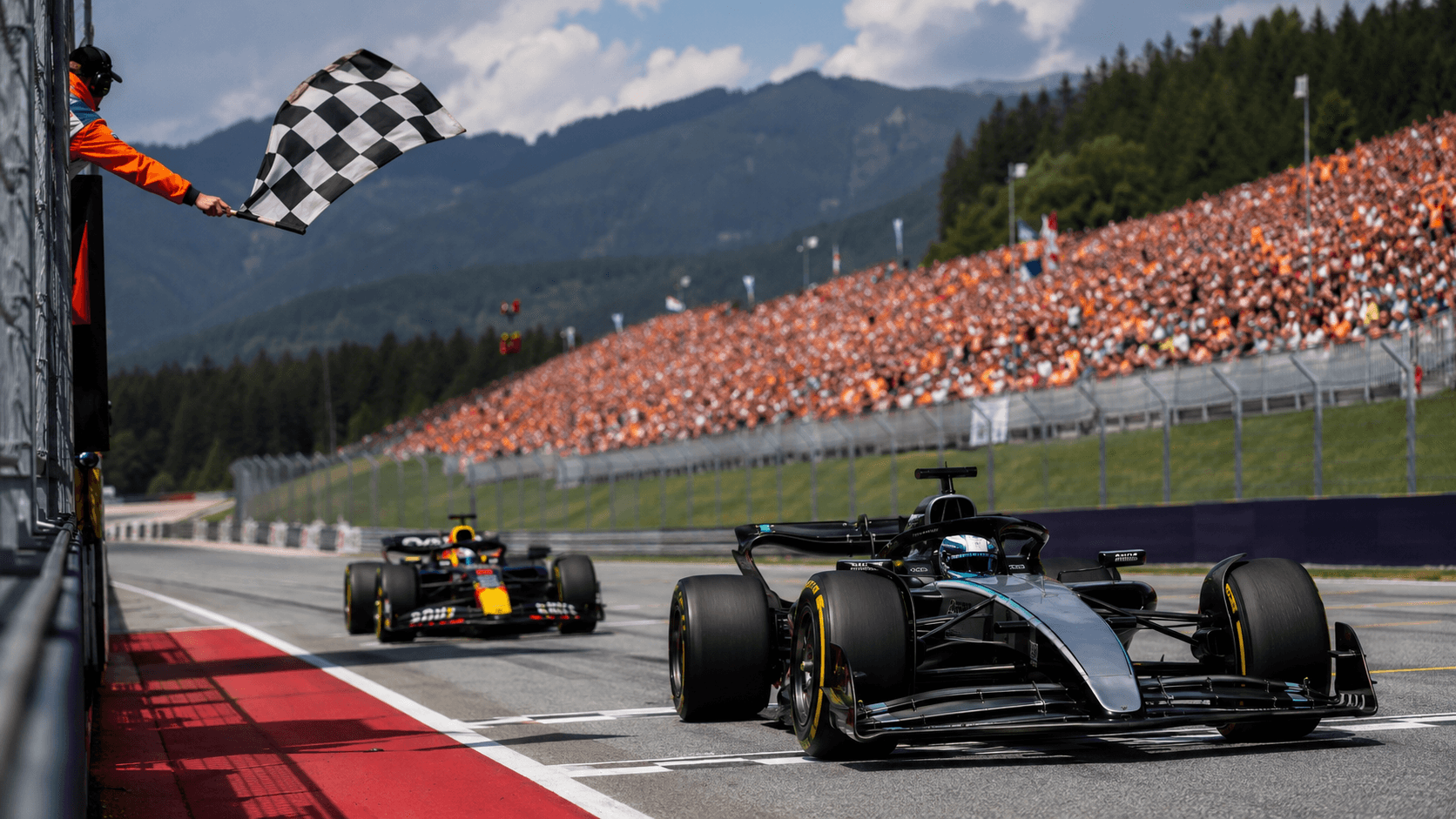
Mercedes arrives at the new regulatory cycle with a technical package built on more than a decade of experience in the turbo-hybrid era that began in 2014. A technical dominance which, despite the sporting fluctuations of recent years, has allowed the Brackley-based outfit to develop extremely advanced expertise in thermal efficiency management and energy recovery systems.
The new 2026 regulations really emphasise these aspects. The power split between the internal combustion engine and the electric motor will be more balanced, with the hybrid element playing an even more decisive role in overall lap performance. In this context, the ability to optimise energy delivery and reduce losses becomes a decisive competitive factor.
Information emerging from technical circles points to Mercedes as one of the manufacturers furthest ahead in the design phase of the new power unit. In particular, combustion quality and the efficiency of the internal combustion engine would already be at an advanced stage of development, a factor that could secure an early advantage in the introduction phase of the new technical cycle.
Ferrari F1 and the choice of a more aggressive philosophy
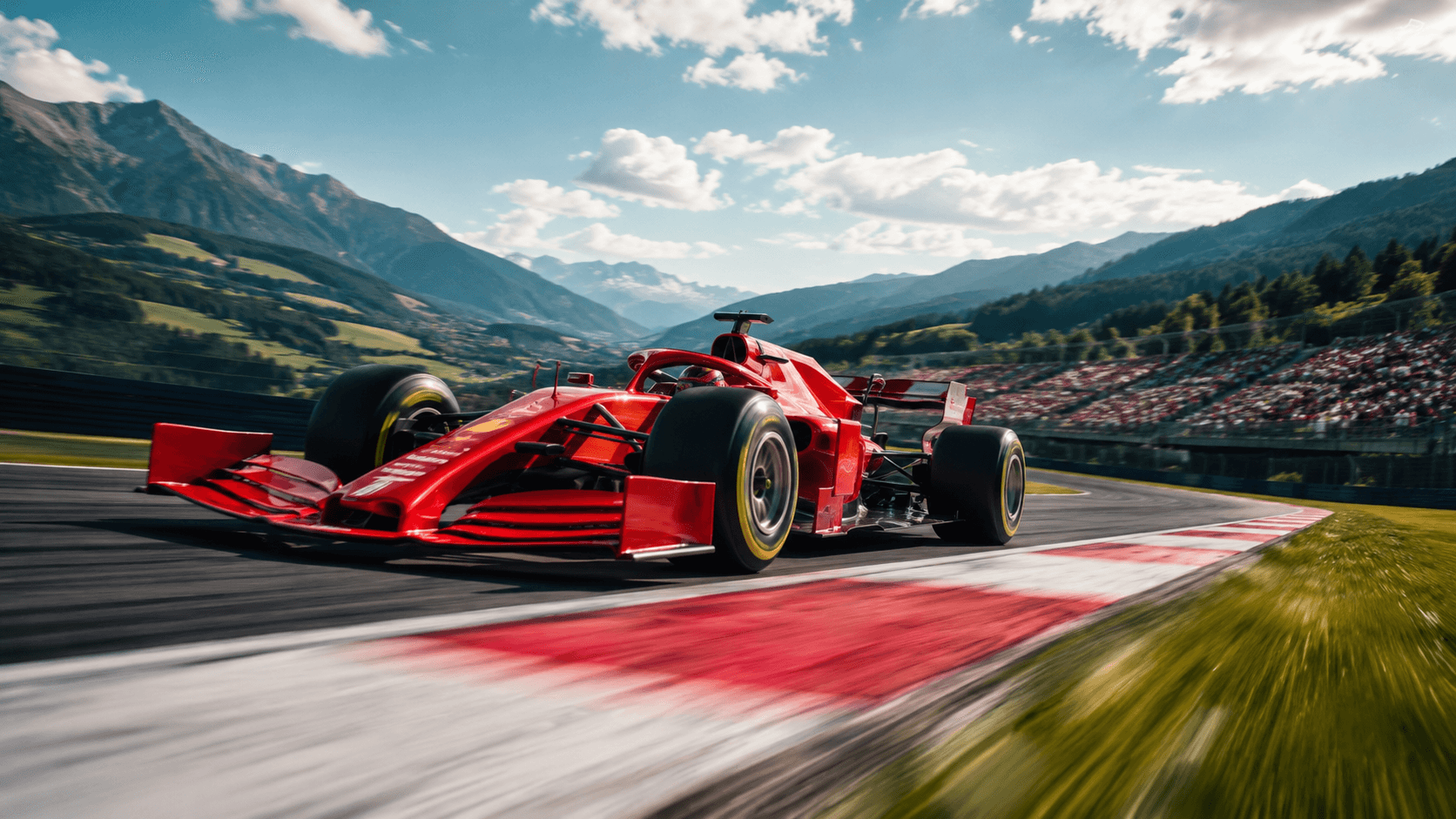
On the other side of the pits, Ferrari has taken a different design path, focusing on a power unit more geared towards responsiveness and electric deployment management. The aim is to achieve greater effectiveness in acceleration response and corner exit, making the most of the hybrid contribution envisaged by the 2026 regulations.
This approach, however, inevitably brings compromises on the internal combustion engine side, where the pursuit of maximum outright power is not the main priority. The philosophy adopted in Maranello seems geared towards overall balance rather than pure straight-line performance, with the idea of building a car that is more effective over the full lap.
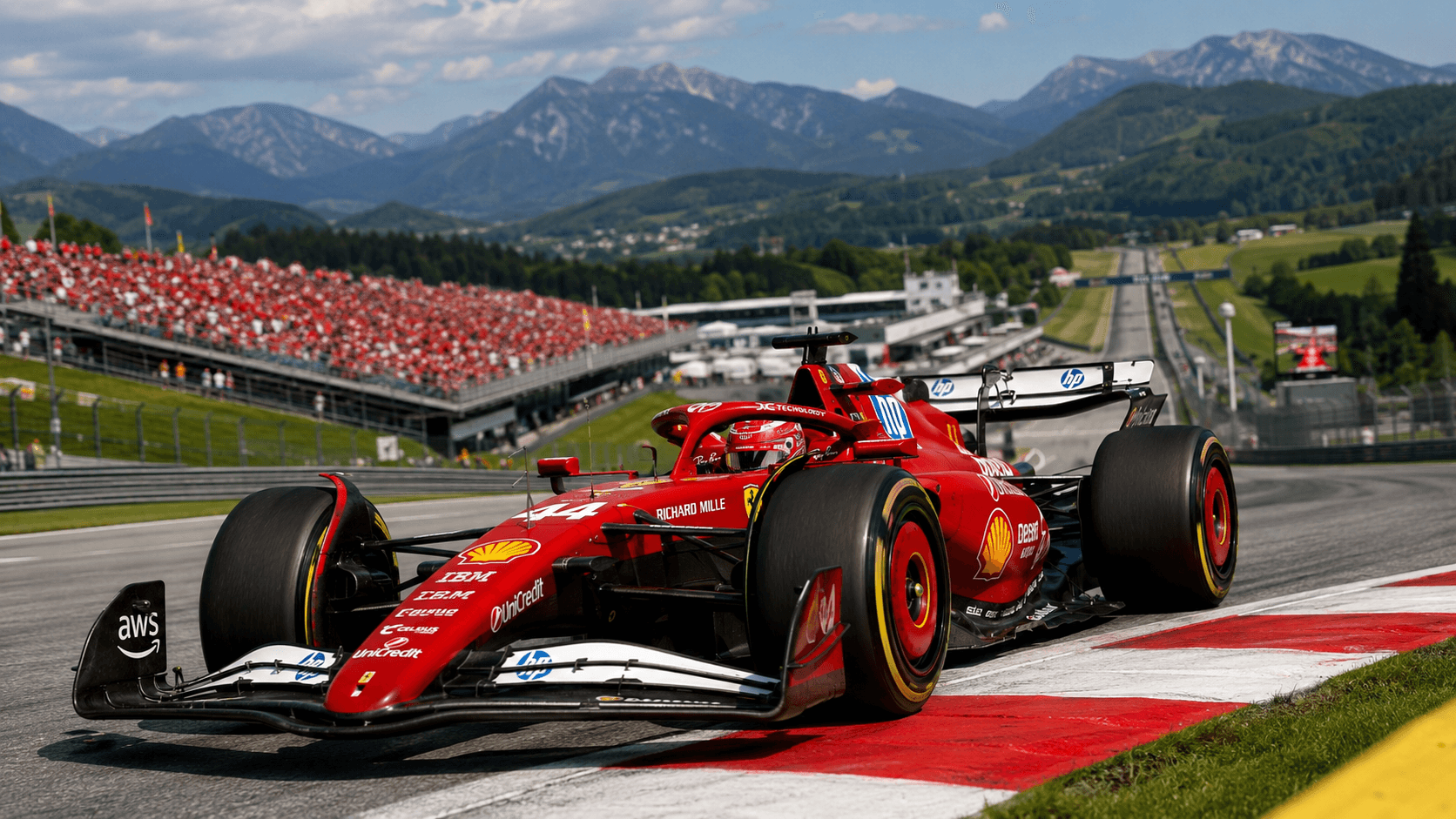
The Ferrari project also stems from the need to close the gap to the main rivals after inconsistent seasons, in which the SF-23 and its subsequent evolutions showed potential but also structural limits in performance consistency.
The role of the drivers and the mood in the F1 paddock
The prospects linked to the 2026 season involve not only the engineers, but also the stars on track. Mercedes drivers have often highlighted the strength of the team’s technical project and the team’s ability to adapt quickly to completely new regulations, a characteristic that in the past has been one of the strengths of the Anglo-German team.
At Ferrari, by contrast, the drivers’ communication has been more cautious, with a constant focus on the current season and on the need to keep development running in parallel between present and future. At the same time, there is an awareness that the competitiveness of the new power unit will be a decisive factor for Ferrari’s world championship ambitions.
In the paddock, the general perception is that the balance is still uncertain, where simulations matter as much as experience and where even small design details can overturn the hierarchy.
FIA and 2026 regulations: still-open variables in engine development
A central element influencing the whole technical picture is the role of the FIA in defining and adjusting the 2026 regulations. Over recent months, corrective measures have been introduced to balance the relationship between electric and thermal power, with the aim of avoiding excessive imbalances between the different manufacturers.
These changes make the picture still fluid and constantly evolving, with possible direct impacts on the teams’ design choices. In Formula 1, indeed, even minimal changes to the technical parameters can translate into significant differences in outright performance.
F1 2026, who starts ahead in the new era of power units
The 2026 season looks set to be a true technical reset for Formula 1. Mercedes appears today as the most solid reference in the development phase of the new power units, strengthened by established experience and know-how built over years of dominance in the hybrid era.
Ferrari, meanwhile, has chosen a more innovative and potentially riskier path, focusing on a different philosophy that could prove successful in the long term but which, in the initial phase, requires time to be optimised.
The verdict will only come on track, when the new power units are put to the test in real conditions. Until then, 2026 remains one of the biggest technical unknowns in modern Formula 1, with the balance between Maranello and Brackley still completely up in the air.