Toyota still dominates: impressive numbers and a winning strategy
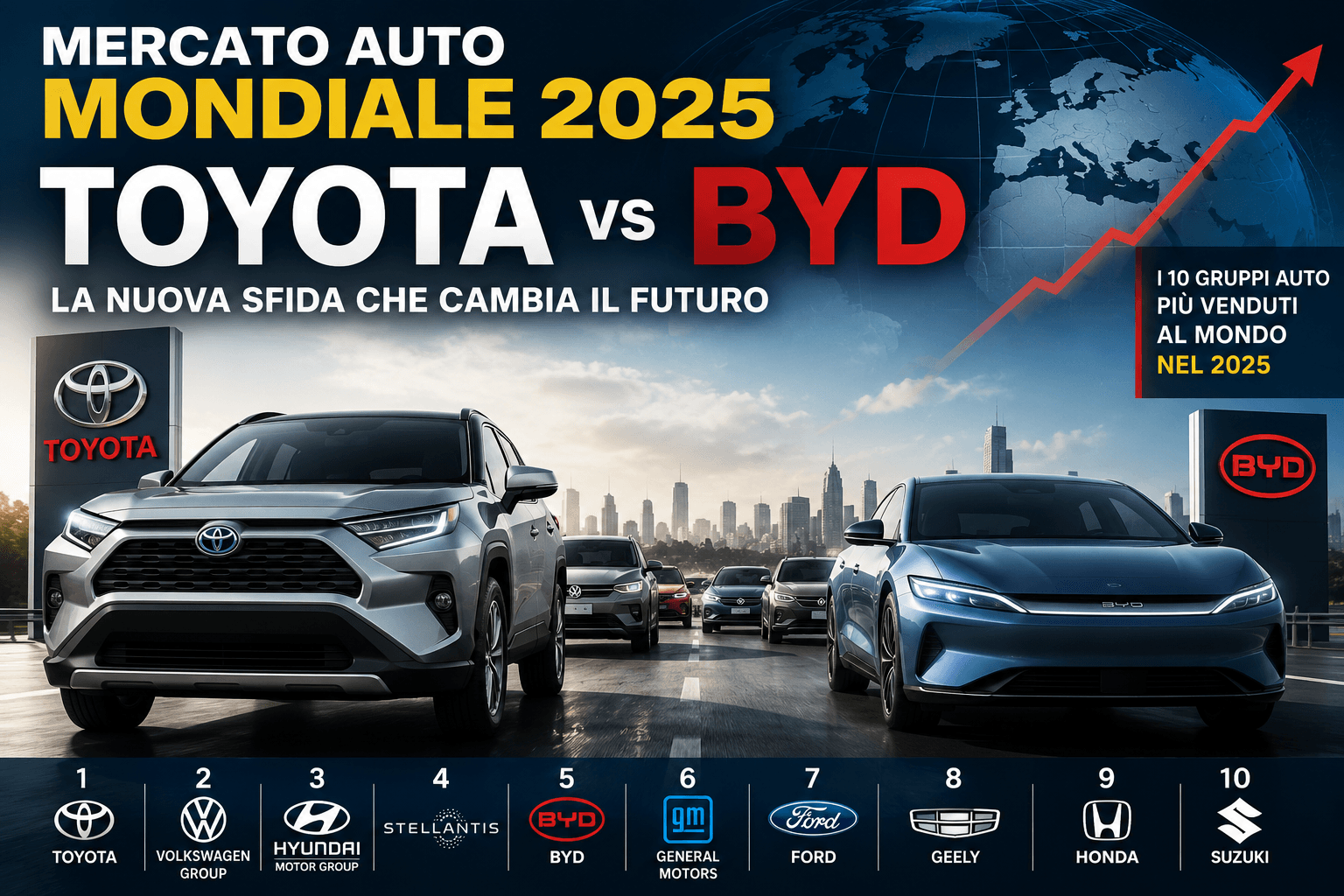
With more than 11.3 million vehicles sold in 2025, Toyota remains the world's best-selling car group. A result that confirms the industrial strength of the Japanese brand, capable of moving through market transformations without losing competitiveness.
The secret of Toyota's success continues to be the hybrid strategy. At a time when many markets are slowing the rush towards pure electric, the Japanese manufacturer has made the most of the growing demand for efficient, reliable and less expensive cars than full electric models.
Corolla, RAV4 and Yaris continue to be global benchmarks, while Lexus consolidates the group's premium presence thanks to a range increasingly oriented towards electrification.
In the United States, Toyota has closed another year as a clear leader, strengthening market share just as several rivals are facing production difficulties and ever slimmer margins.
Hybrid remains the Japanese brand's strong point
Toyota's decision not to immediately put everything into electric cars is paying off. While many manufacturers are slowing investments and EV programmes, the Japanese group continues to reap results thanks to a hybrid technology that is now mature and appreciated globally.
According to several industry analysts, Toyota has read the market transition phase better than others, avoiding an overly rapid rush towards total electric and keeping profitability high.
Volkswagen defends second place, but China is a concern
Behind Toyota, Volkswagen Group holds on, edging close to nine million units sold worldwide. The German group continues to be the absolute benchmark of the European market thanks to brands such as Audi, Porsche, Skoda and Volkswagen.
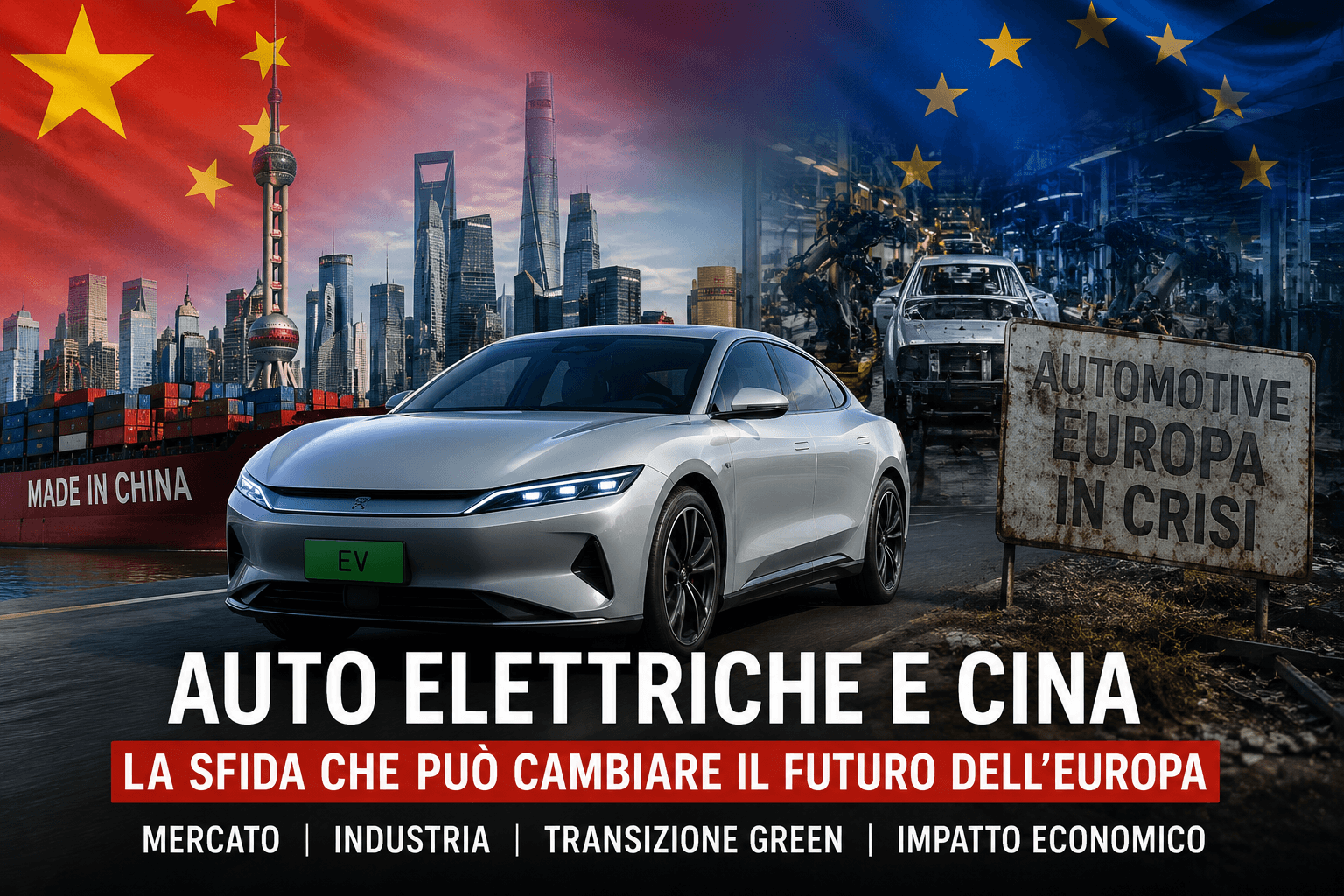
However, the real problem for the German giant comes from China. In recent months local manufacturers have accelerated impressively, especially in the electric segment, eroding market shares historically dominated by European brands.
Volkswagen is investing billions in software development and next-generation electric platforms, but the delay accumulated compared with Chinese brands is starting to become evident.
The Chinese market is changing the world balance
For years China has been the engine of growth for European groups. Today, however, the world's most important market is becoming fertile ground for local manufacturers.
Chinese customers are rewarding national brands that are increasingly competitive in terms of technology, design and price. A transformation that risks having enormous effects also on Western markets in the coming years.
BYD is the real star of 2025: impressive growth and global ambitions
The name shaking the global industry more than any other is BYD. The Chinese group has passed 4.6 million vehicles sold, firmly entering the top five manufacturers on the planet.
But the most impressive figure is not just about volumes. BYD is growing at a speed that no other competitor can currently sustain.
The Chinese company is building its strength on a fully integrated industrial model: batteries produced internally, supply chain control, proprietary software development and the ability to drastically cut production costs.
The result is a range of electric cars that is increasingly competitive, capable of winning market share both in Asia and in Europe.
Europe becomes the next target
In recent months BYD has accelerated its European expansion with new industrial investments and a rapidly growing sales network. The objective is clear: to become one of the absolute protagonists of the European market within a few years.
The arrival of premium models and advanced technologies is increasing the pressure on historic European brands, now forced to compete with rivals capable of offering lower prices and very high technological content.
Hyundai, Stellantis and Ford: the battle remains wide open
Behind the top three groups, the fight between Hyundai, Stellantis, Ford and General Motors continues. Hyundai Motor Group confirms its status as one of the strongest brands in the entire global landscape thanks to the steady growth of Hyundai and Kia, increasingly strong in the electric sector.
Stellantis maintains important numbers thanks to the strength of its historic brands, but faces a delicate phase linked to the energy transition and the need to relaunch competitiveness in Europe.
Ford and General Motors, meanwhile, continue to dominate the American pick-up and SUV market, but the electric challenge still represents a decisive area for the future.
The car revolution has only just begun
The 2025 world standings portray a sector that is changing faster than expected. Toyota remains the global benchmark for solidity and industrial reliability, but the feeling is that the future of the automotive industry could be written elsewhere.
BYD and the Chinese manufacturers are showing impressive innovation capacity, supported by enormous investments and an extremely competitive production chain.
The battle for world leadership is no longer just about engines and sales. Today the comparison is played out on software, batteries, artificial intelligence and autonomous driving technologies.
And it is precisely here that the next global balance could take a completely different shape.