Data, industrial dynamics and competitive scenarios
Italian car market 2025–2026: contained growth, new balances
The Italian car market is progressively realigning after the shocks of previous years, but the real transformation concerns not volumes so much as the composition of the offer. In 2025, registrations stood at around 1.53 million units, with an overall stable trend.
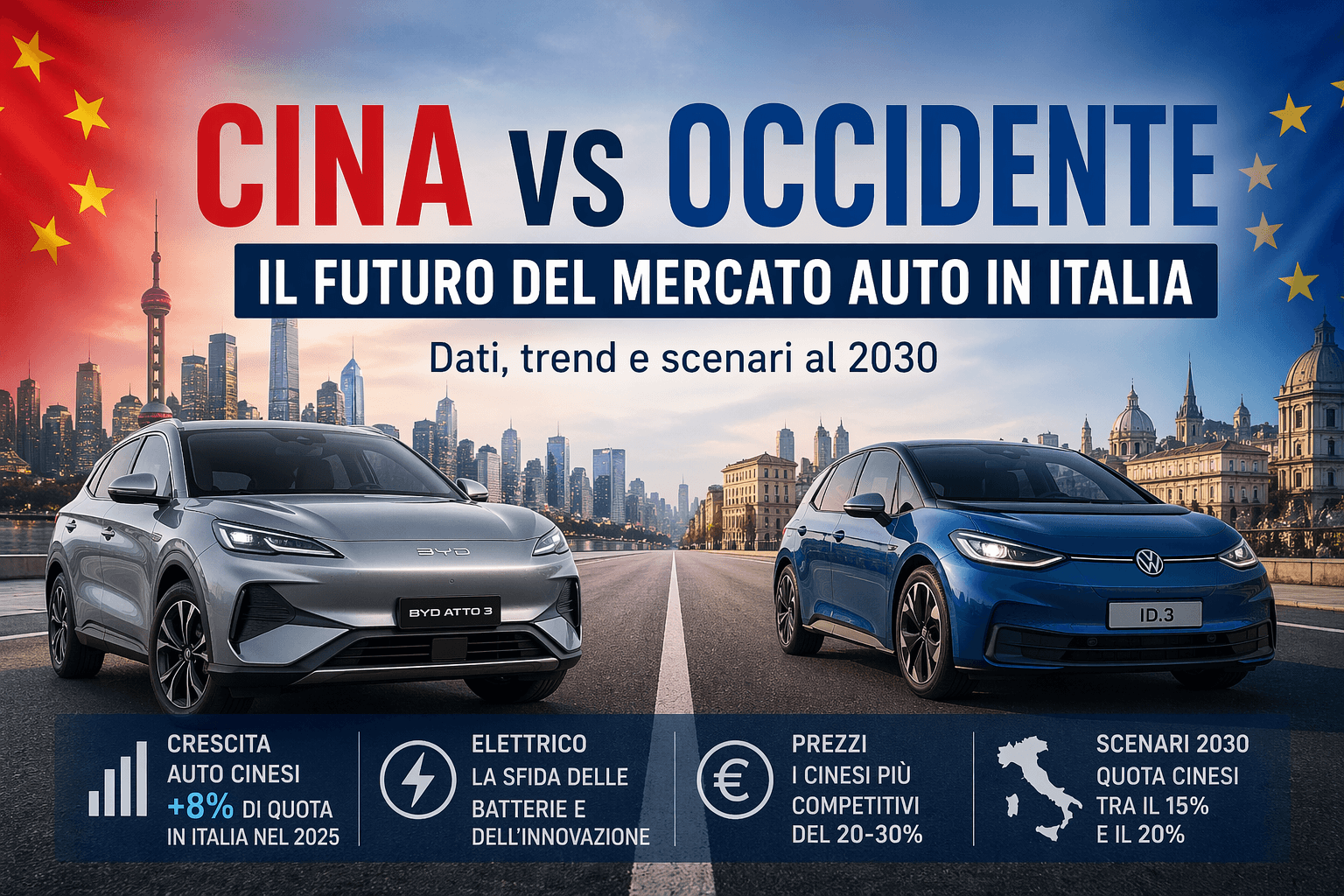
What is changing, however, is the industrial geography: Chinese manufacturers have surpassed an 8% market share, with more than 128,000 cars sold. This is a significant increase, placing Italy among the European countries most exposed to the expansion of Asian brands.
The figure is particularly significant if compared with markets such as Germany and France, where Chinese penetration remains more limited. The Italian context, characterised by greater price elasticity and a demand structure less oriented towards premium, is proving to be favourable ground.
Chinese cars in Italy: positioning and strategies of the main players
The expansion of Chinese brands in Italy is not uniform, but driven by well-defined operators.
MG Motor is now the main player by volumes, thanks to a competitive positioning and a broad range spanning combustion, hybrid and electric. Alongside MG, BYD is establishing itself, the protagonist of particularly rapid growth in the electric segment, supported by strong vertical integration in battery production.
New arrivals such as Omoda and Leapmotor are helping to broaden the offer, especially in the compact SUV and city car segments.
The competitive model is based on three main levers:
lower prices than European rivals for the same equipment
high level of standard technology
speed in product development
This combination allows Chinese manufacturers to tap into a segment of demand that is sensitive to price but increasingly attentive to connectivity and innovation.
Western companies: competitive pressure and the need to reposition
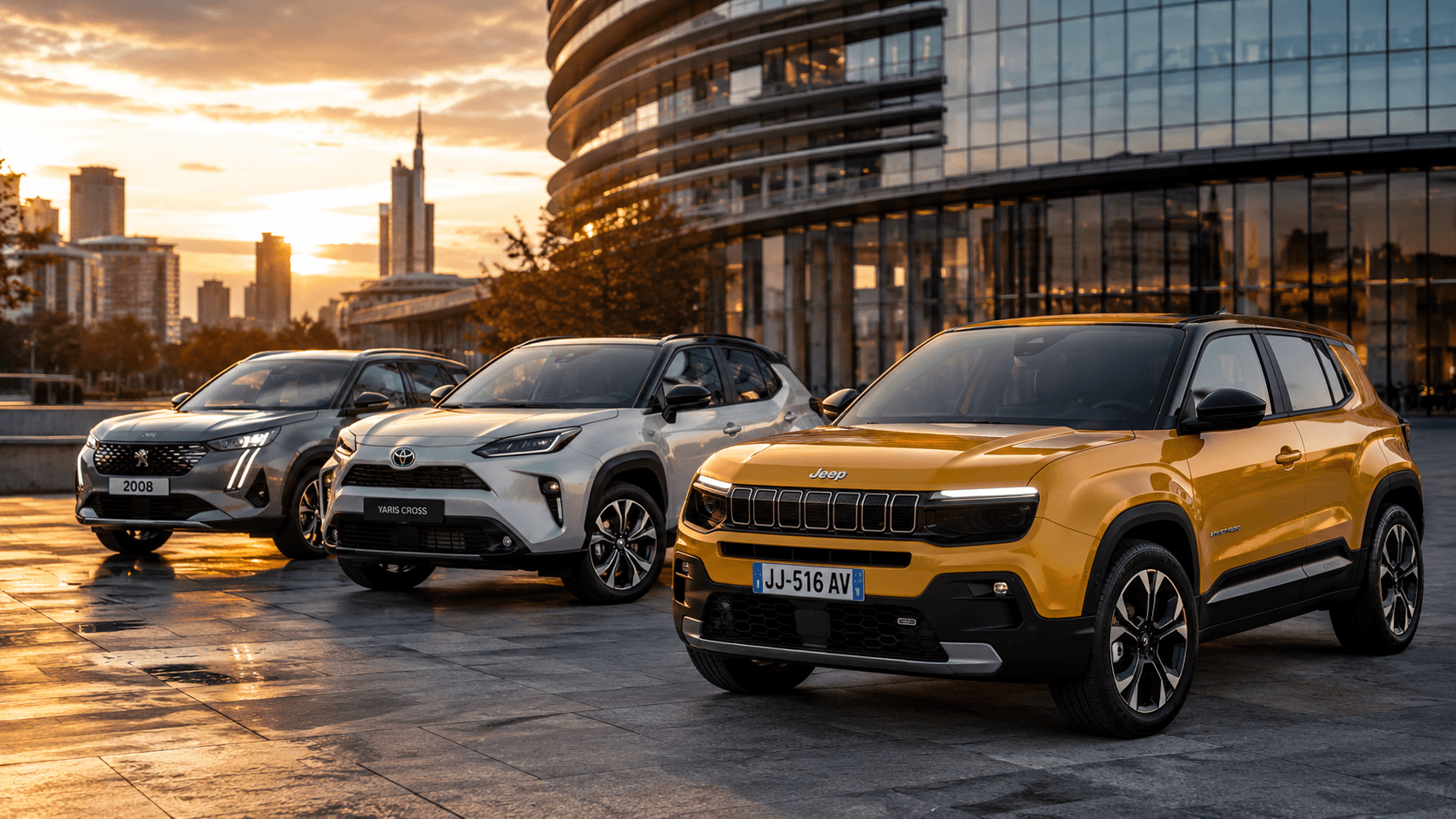
The major Western groups retain a dominant position, but they find themselves operating in a more complex context than in the past. Players such as Stellantis, Volkswagen and Tesla must simultaneously manage the energy transition and growing price pressure.
The competitive advantage remains linked to structural elements:
an established distribution and service network
recognised brands, such as Fiat, with strong roots in the domestic market
greater long-term consumer trust
However, higher industrial costs and less integration in the battery supply chain limit the ability to compete on price, especially in entry-level segments.
Electrification and batteries: the strategic issue
The comparison between China and the West is mainly about electrification. Chinese leadership is attributable to control of the battery supply chain, dominated by operators such as CATL and BYD itself.
This advantage translates into:
lower production costs
greater speed in technological innovation
the ability to offer electric vehicles at more competitive prices
In Europe, the spread of electric cars is growing, but remains conditioned by structural factors such as purchase cost and the development of charging infrastructure. Italy, in particular, shows a slower adoption rate than the European average.
The Italian case: demand structure and attractiveness factors
The Italian market has specific characteristics that favour the entry of Chinese manufacturers.
Firstly, strong price sensitivity steers choices towards solutions with a high value-for-money ratio. Secondly, the prevalence of utility and compact segments aligns with the offer of the new entrants. Finally, the gradual transition towards electric vehicles creates room for affordable hybrid and electric models.
This context allows Chinese brands to progressively consolidate their presence, without having to compete directly in the premium segments dominated by European brands.
Italy car market forecasts 2030: scenarios and implications
Projections indicate a further increase in the share of Chinese manufacturers, which could reach a range between 15% and 20% by 2030.
At the same time, it is plausible to expect:
a progressive reduction in electric car prices
greater pressure on the margins of traditional manufacturers
an intensification of European industrial policies
Nor is an increase in Chinese manufacturing investment in Europe ruled out, through local plants or joint ventures, with the aim of circumventing any trade barriers and strengthening their presence in the territory.
A redefinition of industrial balances
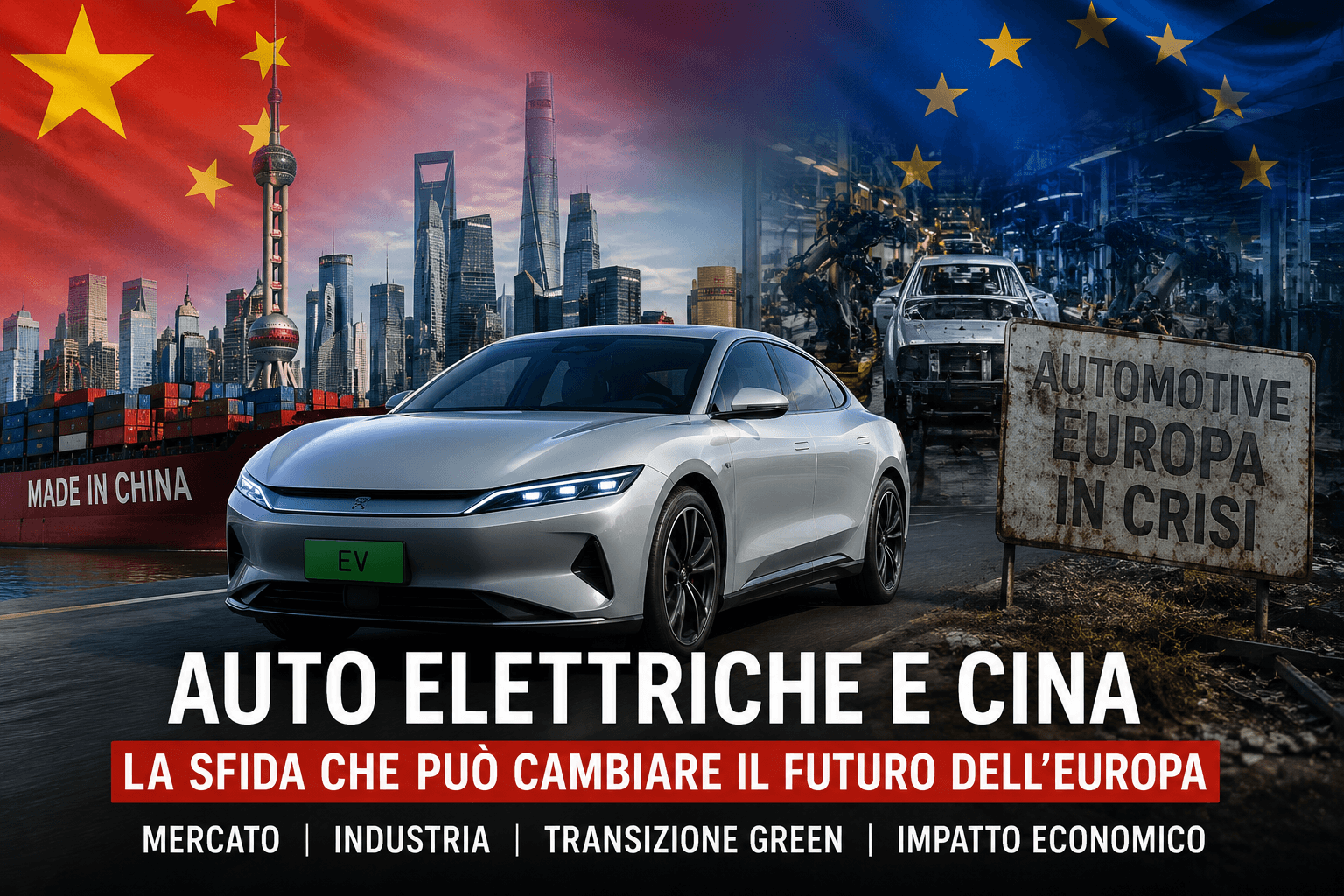
The Italian car market is moving towards a new competitive balance, in which the contrast between China and the West takes on a structural dimension.
China is establishing itself as a benchmark in terms of costs and technological innovation, while Europe retains an advantage linked to brand strength and perceived quality.
For the consumer, the result is a broader offer and greater competition. For the industry, however, this is a phase of transition that will require strategic adaptation, investment and, very likely, new forms of international cooperation.