Formula 1 ·
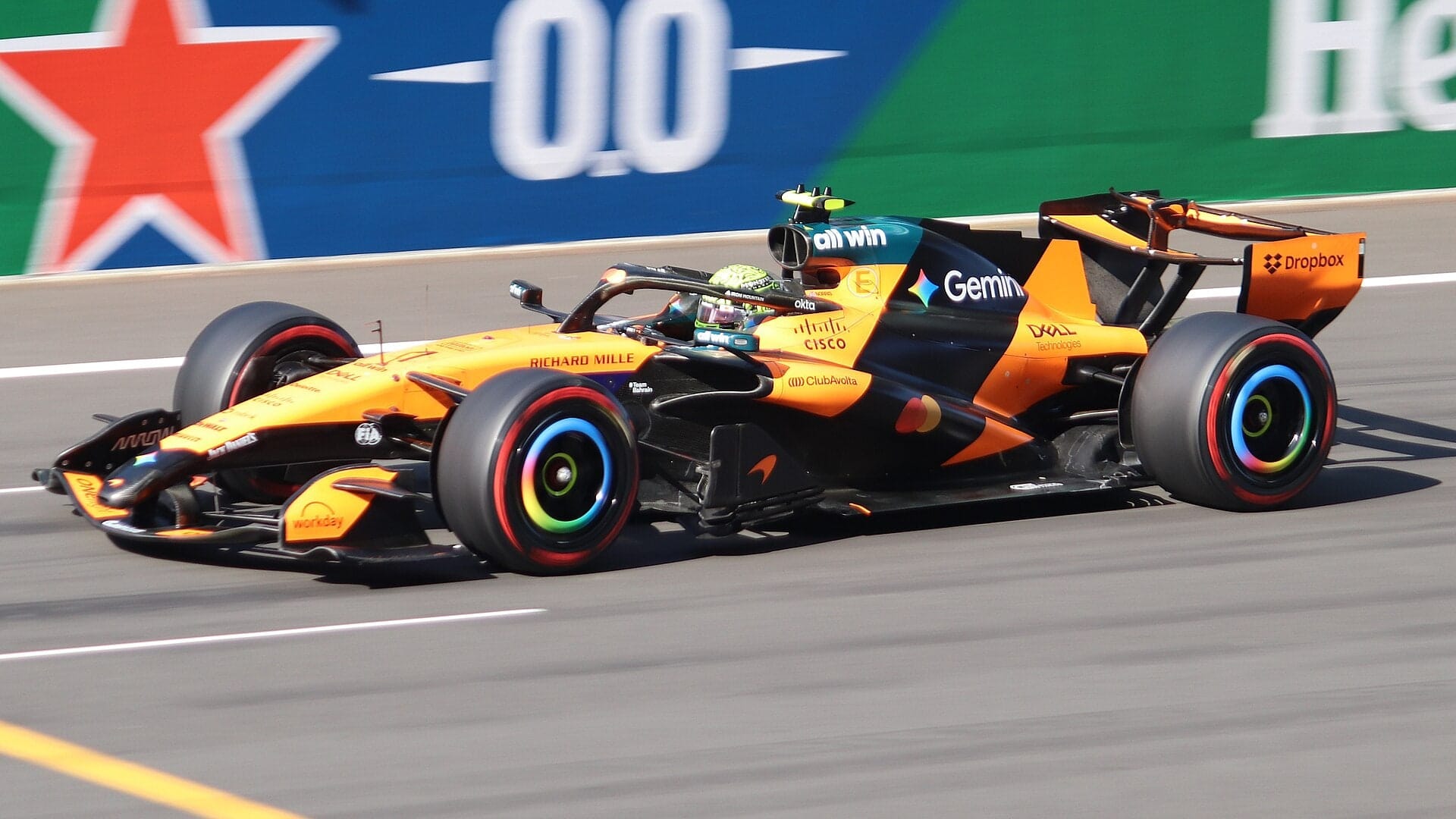
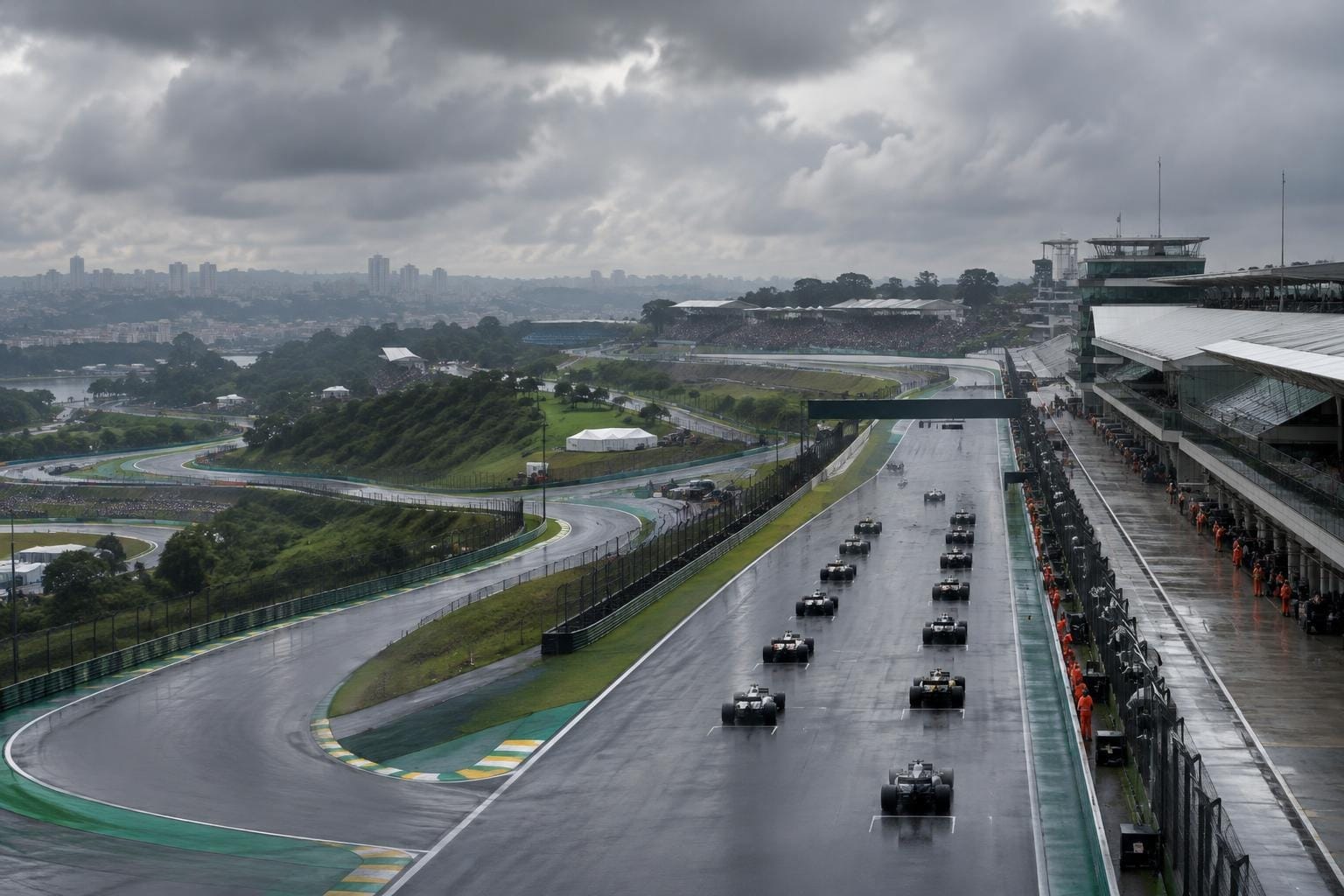
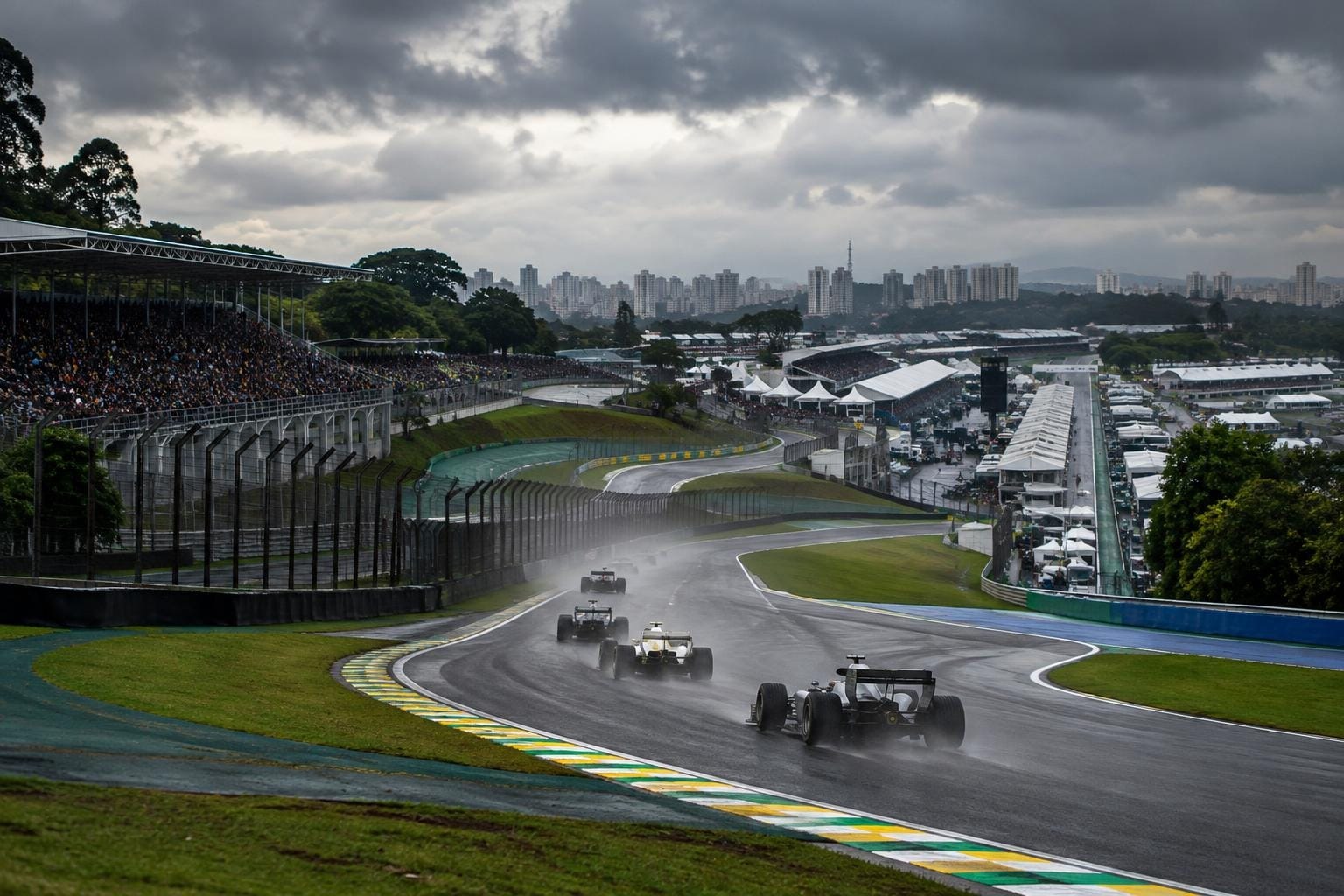
Norris wins the wet São Paulo GP: Mercedes takes the constructors' title
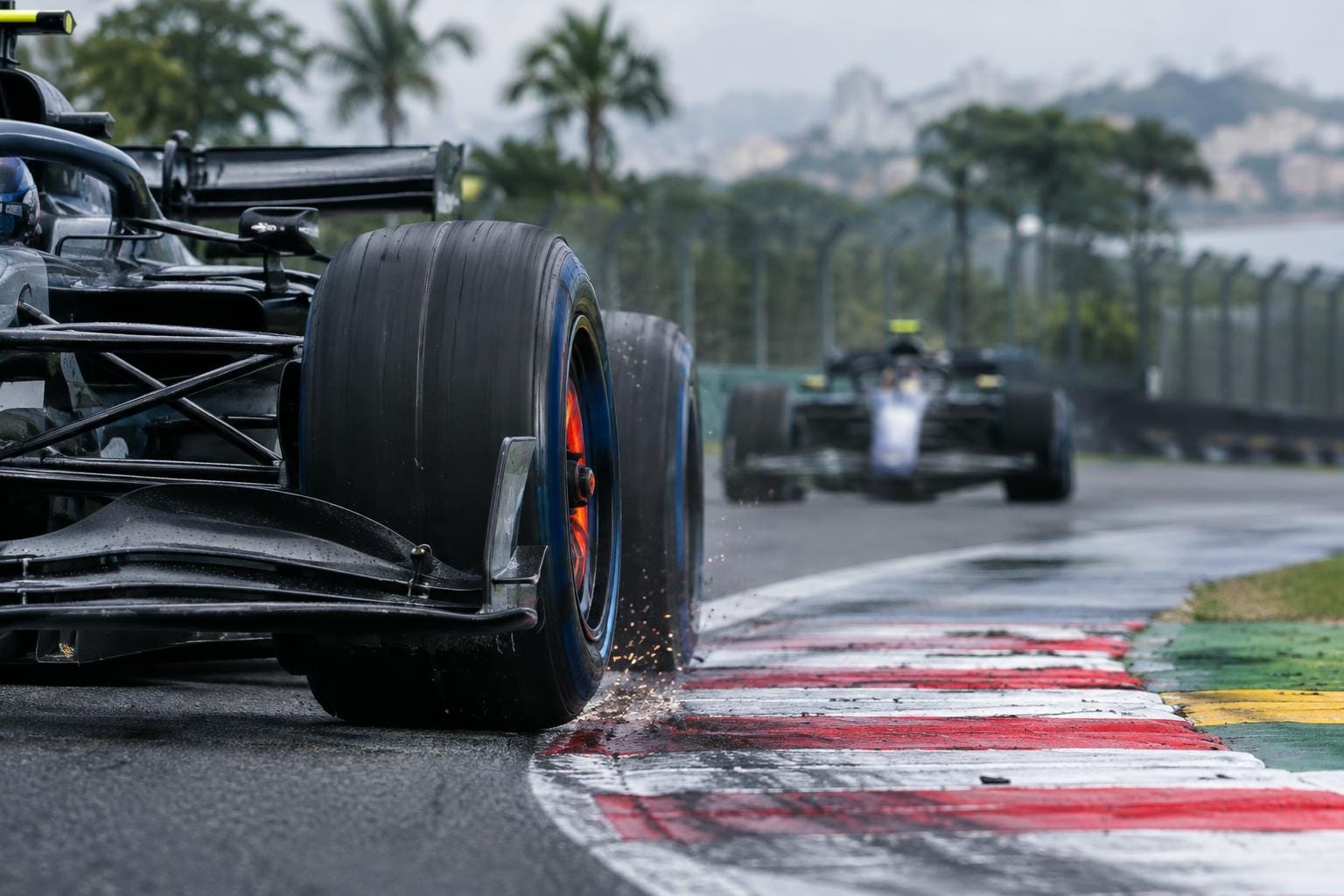
At Interlagos Norris beats Verstappen in the wet and Mercedes seals the Constructors' World Championship with Russell fourth and Antonelli fifth.
Motorsport Magazine
Formula 1 ·
Charles Leclerc points to Ferrari brake issues after his Monaco GP retirement. Analysis of the crash, Ferrari's response and the implications for the 2026 F1 season.
Ultimogiro Newsroom · 10 June 2026 · 3 min read
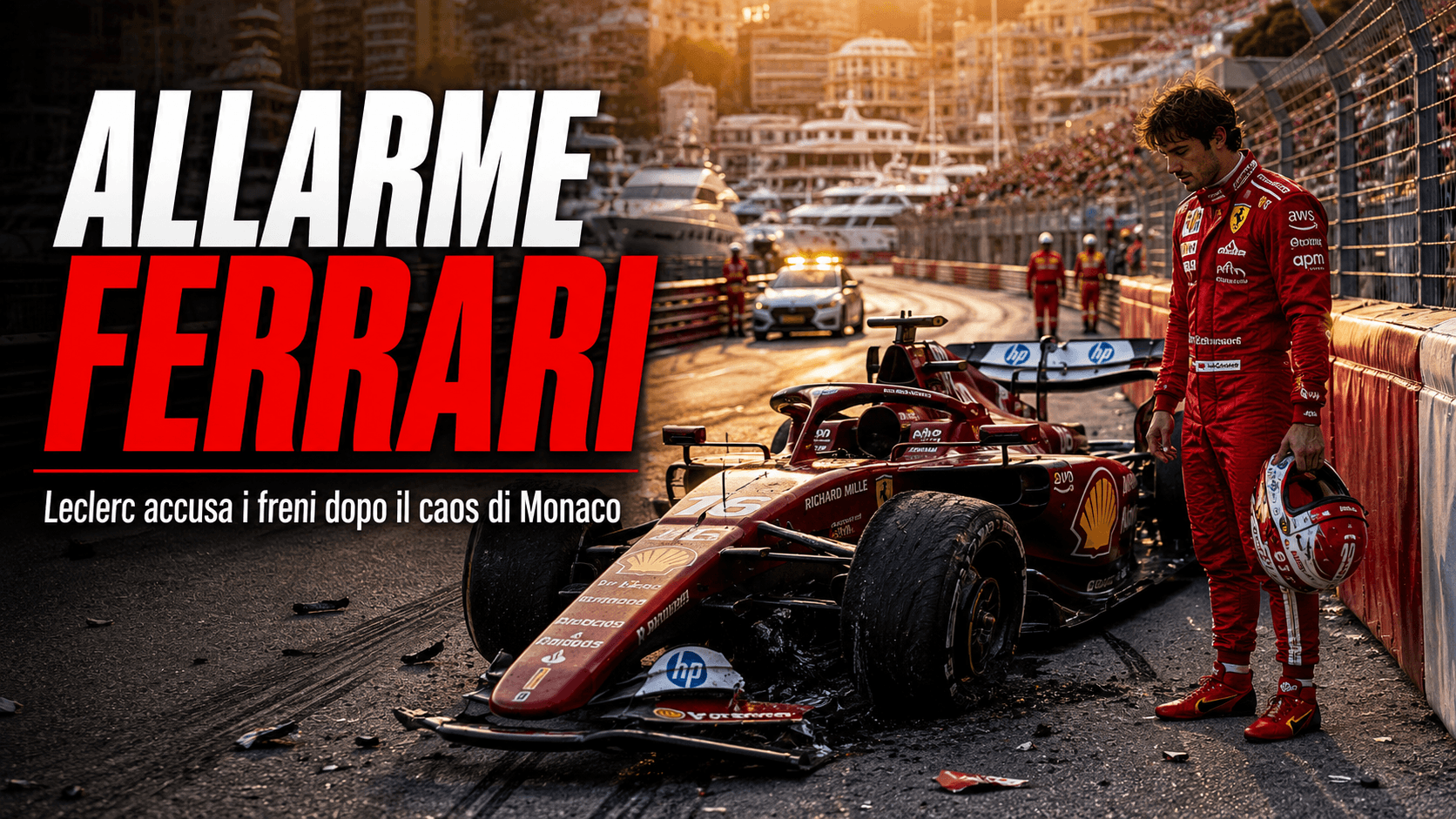
What should have been one of the most important weekends of Charles Leclerc’s season ended in frustration and controversy after a dramatic retirement at the Monaco Grand Prix.
Racing on home soil, the Ferrari driver arrived in Monte Carlo hoping to fight for a strong result and boost both his championship ambitions and Ferrari’s momentum. Instead, the weekend ended with damaged bodywork, lost points and serious questions surrounding the SF-26’s braking performance.
Leclerc’s race came to an abrupt end following a late-race incident that left the Monegasque visibly disappointed. More importantly, his post-race comments revealed concerns that extend far beyond a single retirement.
Speaking after the race, Leclerc made it clear that he believes a technical problem played a major role in the accident.
According to the Ferrari driver, the car’s braking performance had been inconsistent throughout the event, making it difficult to predict how the SF-26 would react under heavy braking. The lack of confidence forced him to drive below his usual limit and created uncertainty in several key sections of the Monaco circuit.
For a driver known for his exceptional late-braking ability, such an issue can dramatically affect performance. Monaco, with its narrow layout and unforgiving barriers, exposed those weaknesses more than any other track on the calendar.
Leclerc explained that the balance of the braking system felt unpredictable, leaving him unable to attack corners with the confidence required to fight at the front.
The situation appeared to worsen after a Safety Car period late in the race.
When racing resumed, Leclerc immediately noticed abnormal behavior from the car during braking zones. A few laps later, the issue culminated in the incident that ultimately ended his race.
The crash was particularly painful given Ferrari’s encouraging pace earlier in the weekend. However, the retirement has shifted attention away from performance and toward a technical investigation that could have wider implications for the remainder of the season.
Perhaps the most worrying aspect for Ferrari is that Monaco does not appear to be an isolated case.
Leclerc has repeatedly mentioned difficulties with braking consistency over recent race weekends. While the team has continued to show flashes of competitiveness, the inability to provide a predictable braking platform has become an increasing source of frustration for the Monegasque driver.
In modern Formula 1, confidence under braking is essential. Drivers rely on consistency to extract the final tenths of performance, especially during qualifying sessions and wheel-to-wheel battles.
Without that confidence, even the fastest drivers are forced to leave a margin of safety, sacrificing valuable lap time and increasing the likelihood of mistakes.
Following the Monaco Grand Prix, Ferrari engineers immediately began analyzing data from the SF-26 in an effort to identify the root cause of the problem.
One of the areas under investigation is the behavior of the braking system after extended Safety Car periods, where temperature fluctuations can significantly affect performance. Understanding whether the issue originated from brake management, system balance or another technical factor will be crucial before the next race.
The team’s objective is clear: restore Leclerc’s confidence and ensure that similar problems do not compromise future results.
Monaco leaves Ferrari with important questions to answer.
While the SF-26 continues to demonstrate strong potential, reliability and consistency remain critical areas of concern. For Leclerc, the challenge is not only recovering lost points but also rebuilding trust in a car that has become increasingly difficult to predict.
The coming races will reveal whether Ferrari can solve the braking issues and return to fighting consistently at the front of the field.
Because in Formula 1, raw speed alone is not enough. Without confidence in the car, even the most talented drivers cannot fully exploit their potential.
Next story
Formula 1 ·
At Interlagos Norris beats Verstappen in the wet and Mercedes seals the Constructors' World Championship with Russell fourth and Antonelli fifth.
Standings
2026 champion · title mathematically secured
2026 season · After round 20 of 23 · Updated 10 Nov · Source: Formula1 · Jolpica
Full standings2026 champion · title mathematically secured
2026 season · After round 20 of 23 · Updated 9 Nov · Source: Formula1 · Jolpica
Full standingsNext race
Formula 1
Las Vegas Strip Street Circuit
Race starts in
Formula 1 ·
Formula 1 ·
Formula 1 ·
Formula 1 ·
Formula 1 ·
Formula 1 ·